Swatch card No. SW-3979 · cut October 10, 2026
Supply Chain & SourcingMill spec card
Tirupur Dyeing Units Halt Operations as Chemical Costs Double
Roughly 460 dyeing units in Tirupur, Tamil Nadu halted operations after dye and chemical prices climbed more than 100 percent, cutting an estimated Rs 16.8 crore in production at India's largest knitwear processing cluster.
- Fiber
- Supply Chain & Sourcing
- Count
- 2 min read
- Cut
- Weight
- 419 words
Spec notes
- Roughly 460 dyeing units suspended operations in Tirupur, Tamil Nadu
- Estimated production loss of Rs 16.8 crore from the shutdown
- Dye and processing chemical prices have risen by more than 100%
- Units cite ongoing shortages of key raw materials used in fabric processing
- Tirupur is India's largest knitwear processing cluster, serving US, EU and UK buyers
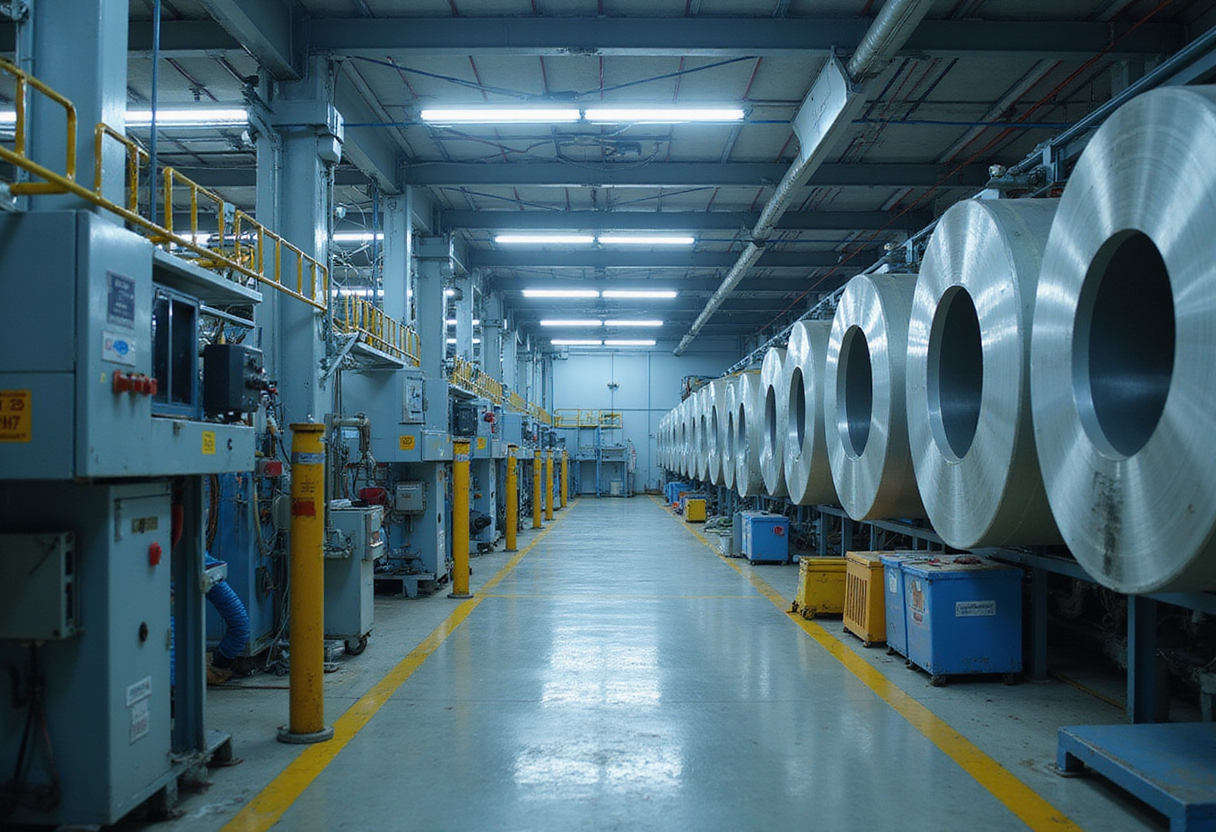
Roughly 460 dyeing units in Tirupur, Tamil Nadu suspended operations after dye and processing chemical prices climbed more than 100 percent, halting an estimated Rs 16.8 crore in production, apparel trade publication Apparel Resources reported.
The shutdown hits India's largest knitwear processing cluster, where units dye and finish fabric feeding into garment exports for buyers in the United States, Europe and the United Kingdom.
What triggered the shutdown?
Two pressures converged. Processors told Apparel Resources that dye and chemical costs have more than doubled. Separately, units continue to face shortages of raw materials used in fabric treatment — leaving capacity idle even where operators attempt to absorb higher input bills.
Key figures from the disruption:
- 460: dyeing units offline
- Rs 16.8 crore: estimated production loss
- 100%+: rise in dye and chemical prices cited by processors
- Tirupur, Tamil Nadu: India's largest knitwear processing hub
What does the shutdown mean for sourcing?
The walkout translates directly into fabric lead times. Dye-house orders already in the queue will slip, and new commitments may carry extended delivery windows until processors resume work.
Tirupur supplies the bulk of India's knitwear export processing. With 460 units offline, buying offices sourcing from the region should expect delays across dyed fabric programs — particularly knits moving through the current production cycle for upcoming retail deliveries.
Compliance teams with open orders should confirm whether contract delivery clauses allow for force-majeure declarations tied to input-cost disruptions on the supplier side.
Where does the cost land?
At root, the protest is a margin dispute. Dye units say input costs have risen faster than processor rates, with no contractual mechanism to pass chemical price increases through to garment exporters.
That impasse cascades upward. Garment exporters contracting dye-house work will have to renegotiate processing rates — a conversation that eventually touches buyer cost sheets for every brand routing knitwear through Tirupur.
Retailers and brands with fixed-price programs booked before the spike now face a hard choice: accept delivery slippage, share the input-cost increase, or re-route fabric orders to alternative Indian processors outside the cluster.
What happens next?
Sourcing leads should request restart dates and revised processing quotes from nominated Tirupur vendors before placing new knit fabric orders.
Procurement teams dependent on Tirupur fabric should plan for a cost reset on dyed knit going into the next sourcing cycle. Without a price reversal from chemical suppliers or restored raw-material flows, the standoff threatens to harden processing rates across India's knitwear export pipeline.
via Apparel Resources (Source)
More from Elena Vasquez
Also on the board
- Surat and Tiruppur SMEs Turn to AI-Powered Smart Textiles
- India's Industrial Output Data Flags Textiles-Apparel Divergence
- India Appoints Two Apparel Export Leaders to Board of Trade
- India Industrial Data Signals Textile-Apparel Growth Divergence
- India's Textile Edge Now Hinges on Capacity, Not Tariffs: Fibre2Fashion