Swatch card No. SW-5022 · cut November 2, 2026
Textile InnovationMill spec card
Swiss Machinery Makers Split Strategy Between China and India
Some 20 Swiss machinery firms will show at ITMA Asia in Shanghai and India ITME in Greater Noida, chasing divergent investment cycles in the two giants.
- Fiber
- Textile Innovation
- Count
- 3 min read
- Cut
- Weight
- 618 words
Spec notes
- ITMA Asia + CITME runs in Shanghai from 20–24 November 2026; India ITME follows in Greater Noida from 4–9 December.
- Around 20 Swiss Textile Machinery members will exhibit at each show.
- China's chemical fibre production hit approximately 87 million tons in 2025.
- The EFTA–India Trade and Economic Partnership Agreement entered into force in October 2025.
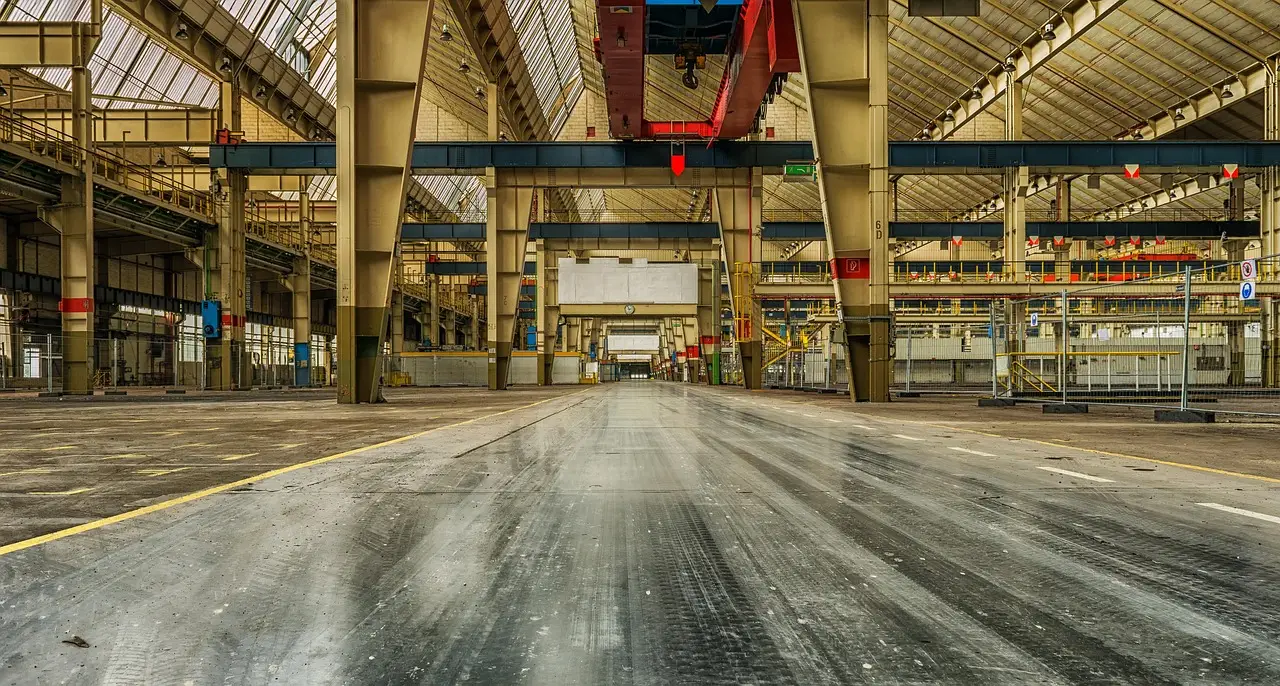
Around 20 Swiss Textile Machinery member companies will exhibit at each of the two major Asian machinery shows closing 2026: ITMA Asia + CITME in Shanghai from 20 to 24 November, and India ITME in Greater Noida from 4 to 9 December. The twin presence signals a deliberate, differentiated approach to the world's two largest textile manufacturing markets, whose investment priorities diverge sharply.
"China and India are both key markets for our industry, but their industrial environments differ notably," said Cornelia Buchwalder, secretary general of Swiss Textile Machinery. "The structure of textile production, the availability of raw materials and the importance of domestic demand all influence their investment priorities. Understanding these differences is essential for our member companies to offer technologies that meet the specific requirements of each market."
What drives demand in China?
China remains by far the world's largest textile manufacturing country. Its value chain is extensive and highly integrated, covering virtually every stage of production. It is also the leading global exporter of textiles and apparel, with a substantial domestic market generating significant additional demand.
Its position in man-made fibres is particularly strong. Chemical fibre production reached approximately 87 million tons in 2025, according to the association. China also remains a major cotton producer and processor.
One caution for European suppliers: Chinese machinery manufacturers have made considerable technological progress. This creates an increasingly competitive environment for international vendors. Swiss companies see openings in automation, digital connectivity, precise process control and resource efficiency, as Chinese manufacturers push productivity and consistent quality.
What drives demand in India?
India's industry has traditionally been anchored in cotton. The country ranks among the world's largest cotton producers and holds extensive spinning, weaving and garment capacity. Man-made fibres, technical textiles and more advanced production and finishing processes are now gaining importance.
A growing domestic market is the significant driver. Rising incomes and a young population support textile consumption. Government initiatives aim to strengthen manufacturing capacity, modernise production and increase textile exports.
The priorities for machinery vendors differ accordingly. Indian buyers focus on:
- modernisation of existing facilities;
- investment in additional production capacity;
- reliable quality control;
- more efficient use of energy and water.
One framework change matters commercially. The Trade and Economic Partnership Agreement between the EFTA states and India, in force since October 2025, improves conditions for Swiss industrial suppliers to the market.
Who pays, and on what basis?
Swiss Textile Machinery members have supplied both industries for decades. Their footprint goes beyond machine sales. Members have established local operations, provided technical expertise and supported training and knowledge transfer — a service model that locks in long-term service and spare-parts revenue alongside capital equipment orders.
"Our industry has built long-standing relationships with textile manufacturers in both countries," Buchwalder said. "Today, innovation is increasingly driven by close cooperation with customers and a detailed understanding of their production processes. Swiss companies combine engineering expertise with specialised textile knowledge, enabling them to develop solutions that improve efficiency, reliability and product quality."
What is the outlook?
The association strikes a measured tone. Geopolitical uncertainties, trade barriers and cautious investment decisions all weigh on near-term order books. Even so, it calls the long-term outlook constructive. China and India will continue to shape the development of the global textile industry, each with its own priorities and challenges.
For sourcing and supply-chain professionals, the two December-clustered exhibitions offer a near-term reading of capital investment intent across both bases. Swiss vendors will use them to assess investment priorities, strengthen customer relationships and gain insight into where automation spending in China and modernisation spending in India actually land — announcements of intent, not yet confirmed orders, until the halls fill.
via swissmem.ch (Original)
More from Rebecca Stone
Show full bio
Staff writer covering people, launches and day-to-day practice in fashion industry as a trade and business at The Fabric Brief.
254 articles
Also on the board
- India Positioned to Capture Apparel Sourcing Shift Away from China: Report
- India Industrial Data Signals Textile-Apparel Growth Divergence
- China apparel sourcing reliance eases, but the country stays central in 2026
- Surat and Tiruppur SMEs Turn to AI-Powered Smart Textiles
- India's Industrial Output Data Splits Textiles From Apparel