Swatch card No. SW-7075 · cut October 30, 2026
Brands & Retail BusinessMill spec card
Saint Laurent to Overhaul 90% of China Stores by End of 2027
Saint Laurent will renovate or redesign 90% of its China stores by end-2027, CEO Cédric Charbit said in Wuhan, as the house names a successor to creative director Anthony Vaccarello.
- Fiber
- Brands & Retail Business
- Count
- 3 min read
- Cut
- Weight
- 647 words
Spec notes
- Saint Laurent targets 90% of its China store network for relocation, renovation or redesign by end of 2027.
- CEO Cédric Charbit, in post since January 2025, spoke at the WWD x SKP summit in Wuhan on Oct. 22.
- Anthony Vaccarello stepped down as creative director in October 2025 after ten years; a successor is expected soon.
- The brand entered China in 2010 and cites the 1977 Chinese collection and Yves Saint Laurent's 1985 Beijing retrospective.
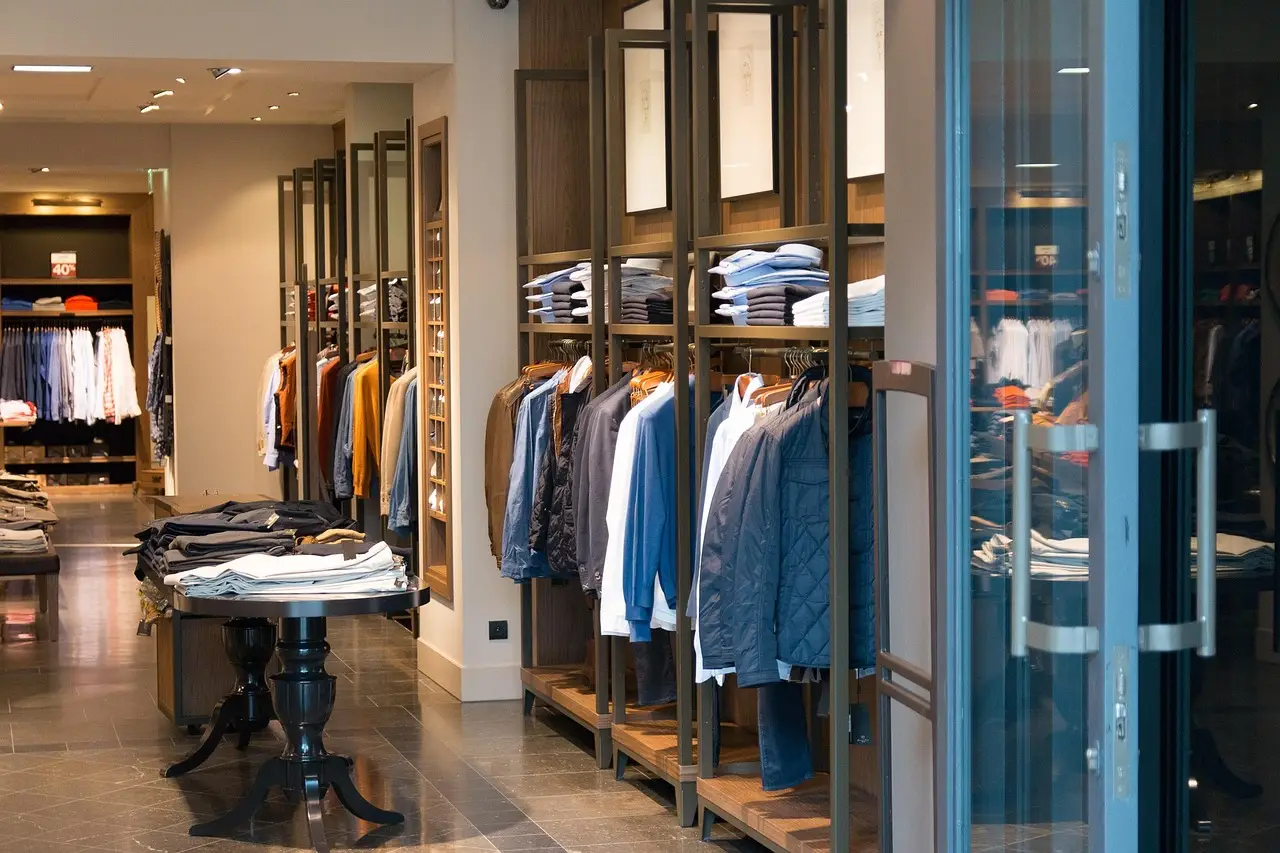
Saint Laurent plans to relocate, renovate or redesign 90 percent of its Chinese store network by the end of 2027. CEO Cédric Charbit announced the target on Oct. 22 at the WWD x SKP Global Fashion & Beauty Summit in Wuhan. The brand entered China in 2010 and is rethinking assortments and local communications alongside the store work.
The timetable lands amid a creative transition. Anthony Vaccarello stepped down as creative director earlier this month after a decade, and a successor is expected soon. Charbit, CEO since January 2025, thanked Vaccarello on stage and credited him with "a massive impact on our financial trajectory, on our image" and a "very recognizable silhouette" for men and women.
"Ten years in our industry is quite a long one," Charbit said. A CEO, he added, has "to look at the future and plan ahead the next 10 years." He described Saint Laurent as strong but said "there is somehow much more we can do with it." Recent product launches and experiences had performed well, he noted, without giving figures; his focus is on "what to do next and how to do things better."
What drives the succession strategy?
Charbit framed the transition through the founder's example. "Yves Saint Laurent was never looking backward," he said. "He was always in sync with his time and always looking at what was happening next." The designer arrived in Paris at 19 and opened his couture house with Pierre Bergé at 21. "He had no heritage in mind. He didn't know he would leave behind him such a great legacy," Charbit said.
The house's 1966 move into ready-to-wear, responding to women increasingly buying clothes with their own money, shows the model: heritage deployed against the present, not preserved. Saint Laurent holds extensive archives, codes and savoir-faire, Charbit said, but the real question is what to build with them.
How does he read the luxury downturn?
In a difficult luxury market, discipline beats reaction. In booms, Charbit said, "confidence can turn into overconfidence and investment into overinvestment"; in slowdowns, companies become too cautious and start questioning everything.
"What you need to do is to really clarify what you stand for, what you believe in as a company, as a brand," he said. Tough conditions shouldn't curb ambition — "it should simply make it more precise and sharper."
Creativity leads the priority list. "No compromise about this. Creativity is at the center of Saint Laurent," Charbit said. One person may hold the vision, but execution is "a collective achievement" spanning merchandising, retail, supply chain and the atelier.
Where does China fit?
Charbit cited a long record: the 1977 Chinese collection and Yves Saint Laurent's 1985 Beijing visit, where he held a retrospective at the National Fine Arts Museum at the invitation of China's culture minister.
"I am very confident in the future we have here in China," he said, while conceding work remains. The 90 percent store-network target, assortment overhaul and localized communication form the roadmap through 2027. He recalled a conversation with SKP chairman Ji Xiao'an on store layouts, assortments and brand positioning as a useful Chinese retail perspective.
On measurement, Charbit tracks traffic and sales but prizes what data misses. "You cannot really build that desire in the long run from a spreadsheet," he said. AI can help brands understand clients and anticipate wants, but the job goes further: "We need to do things that people don't have the idea they will want to wear in the future."
He expects luxury to become more personal, with clients seeking self-expression and community rather than status signals. The China expansion is not volume for its own sake, he said. "We want to make sure we matter more." The creative-director appointment, expected soon, will set the tone for the decade Charbit says he is planning.
via WWD (Source)
More from Marcus Bennett
Show full bio
Senior reporter covering money, funding and market shifts around fashion industry as a trade and business at The Fabric Brief.
243 articles
Also on the board
- Saint Laurent Confirms Vaccarello Exit; Kering Targets Daywear, Menswear Gaps
- McQueen and Calvin Klein Oust Creative Directors in Same Day
- Chanel Outpaces Luxury Market as Blazy Era Reshapes Production
- Ba&sh Charts Post-Relaunch Course Toward Fashion Tech
- Louis Vuitton Creates Chief Brand Creative Officer Role for Muelas