Swatch card No. SW-3131 · cut October 30, 2026
Brands & Retail BusinessMill spec card
Puma Prices Fast RB Nitro Elite 2 at About $391 for Wednesday Launch
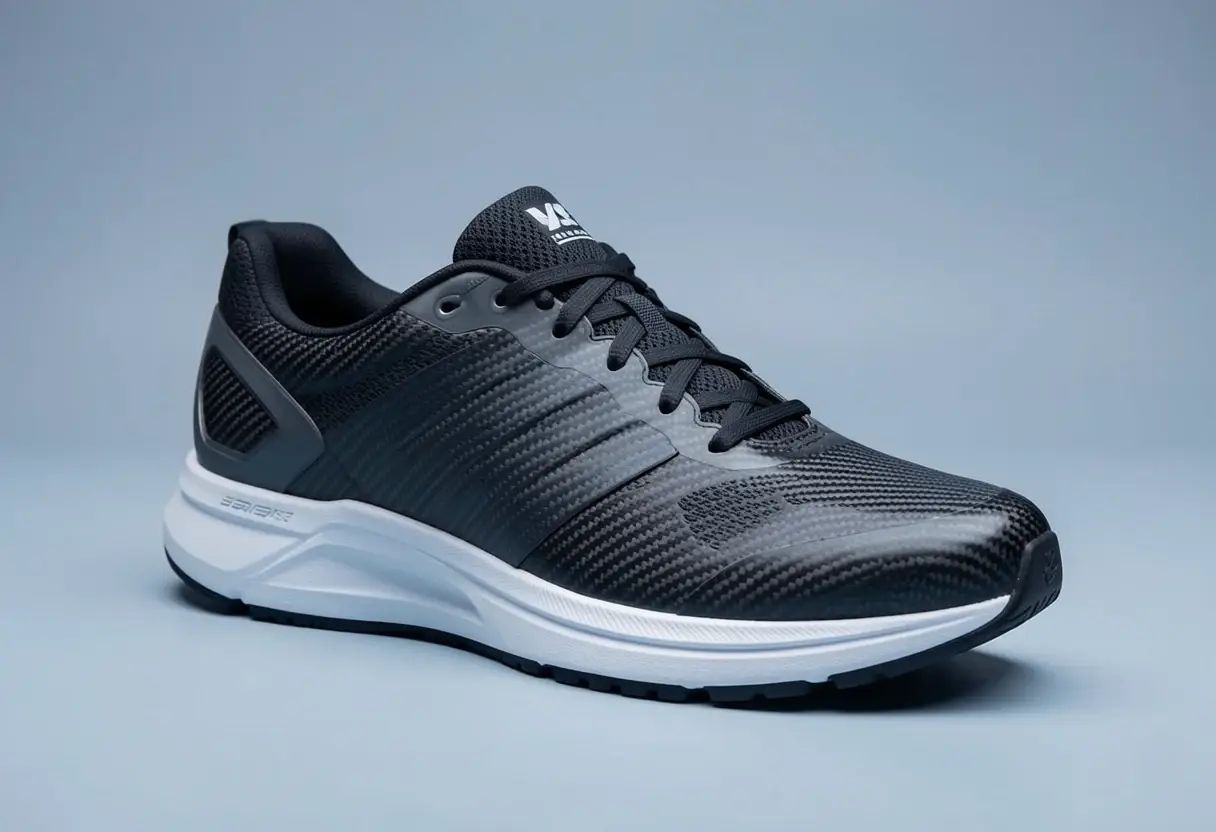
Puma will release the Fast RB Nitro Elite 2 on Wednesday at approximately $391, with an 8mm drop, a 250-gram size 9 and its highest internally tested energy return.
- Fiber
- Brands & Retail Business
- Count
- 3 min read
- Cut
- Weight
- 692 words
Spec notes
- Wednesday release at approximately $391 via Puma's website, select stores and third-party retailers.
- Men's size 9 weight is 250grams, more than 100grams below the predecessor.
- Heel-to-toe drop is 8mm, reduced from 12mm.
- Two fused carbon-fiber plates underpin Puma's highest-ever energy-return claim; no test metric is disclosed.
- The predecessor stack was 58mm, 18mm above World Athletics' professional-race limit; the successor stack is undisclosed.
By Rebecca Stone
Puma will release the Fast RB Nitro Elite 2 on Wednesday at approximately $391 through its website, select store locations and third-party retailers.
The launch converts an experimental super shoe into a priced retail product with measurable weight and geometry changes.
Two years after Puma introduced a model built to break race regulations, the successor now emphasizes energy return, lower mass and revised midsole geometry plus a lighter upper.
Puma claims the Fast-RB 2 delivers the highest energy return it has ever recorded in testing.
What changes in the Fast-RB 2?
Two fused carbon-fiber plates act as a springboard within the shoe’s propulsion system.
Puma has given the Nitrofoam Elite midsole more operating room through revised geometry.
Its Ultraweave upper is lighter and more breathable than the earlier construction.
Those revisions underpin the performance claim, although the company has disclosed no percentage of returned energy, laboratory protocol or independent comparison against named competing models.
Sourcing and product teams can assess the design direction. They cannot yet reproduce the underlying performance claim.
Romain Girard, Puma vice president of innovation, said in a press release: “We’ve created a shoe that delivers the highest energy return we’ve ever recorded in our testing, within an incredibly lightweight package.”
He said two years of innovation, lab testing and collaboration with athletes went into refining the shoe.
Girard also framed the development as rule breaking taken to a new level.
He described the intended outcome as “groundbreaking performance and the pure joy of running,” language without a measurable production or cost implication.
His remarks provide a company statement rather than a third-party certification or quantified benchmark.
That distinction leaves athletes, retailers and product buyers with a claim to evaluate, but no common metric for direct comparison.
How does the shoe compare with race rules?
The predecessor used a 58mm stack, 18mm above the height allowed by World Athletics for professional races.
Puma launched that experimental shoe two years ago with a massive stack and an over-the-top propulsion system.
Detailed specifications for the Fast-RB 2 remain undisclosed, including whether its stack matches or exceeds the predecessor’s.
The successor launch removes the predecessor’s explicit rule-breaking frame, but the missing stack specification leaves professional eligibility unresolved.
The confirmed changes concern drop and mass rather than the full geometry.
Heel-to-toe drop falls from 12mm to 8mm, while a men’s size 9 shoe weighs 250grams, representing a reduction of more than 100grams from the predecessor.
Puma says shoe regulations apply to professional competition, not amateur racing, so amateur runners can use the Fast-RB 2 in their own races.
That separates amateur use from professional eligibility, although the missing stack figure prevents a definitive compliance comparison.
What do buyers and sourcing teams still need to know?
The $391 price sets a consumer retail reference for Wednesday, but Puma provides no wholesale price, gross-margin structure, production volume or retailer allocation for the launch.
The announcement names no factory, manufacturing country, material supplier, launch quantity, manufacturing lead time or expected replenishment schedule.
Puma also identifies no testing laboratory, certification body or independently measured energy-return benchmark.
Those omissions limit stock planning because buyers cannot determine available units, replenishment timing or the split between Puma stores and third-party retailers.
They also prevent a landed-cost comparison, because the $391 retail figure does not reveal what wholesalers pay or what share supports Puma’s margin.
For performance validation, the undisclosed stack height and absent test method leave the company’s highest-ever energy-return statement unverified against named competitors.
Neither gap changes Wednesday’s release. Both leave commercial and technical due diligence open.
What comes next?
Puma has now fixed the price, launch date, drop and weight.
Energy return remains a Puma testing claim, and the current stack height remains unknown.
Future disclosure of test methodology, professional-race status and channel inventory would show whether the $391 product can convert technical novelty into repeatable supply at retail scale.
Until then, the Fast-RB 2 offers a clear retail proposition rather than a complete sourcing case.
via WWD (Source)
More from Rebecca Stone
Show full bio
Staff writer covering people, launches and day-to-day practice in fashion industry as a trade and business at The Fabric Brief.
242 articles