Swatch card No. SW-8918 · cut September 29, 2026
Textile InnovationMill spec card
Print Design Moves to the Center of Textile Innovation
Textile World examines print design as a driver of textile innovation, with implications for vendor selection, lead times, minimums and print-related compliance in sourcing decisions.
- Fiber
- Textile Innovation
- Count
- 2 min read
- Cut
- Weight
- 473 words
Spec notes
- Textile World published an analysis positioning print design as a core driver of textile innovation rather than a late decorative step
- Print capability affects vendor selection, minimum orders and lead times, with digital printing offering faster strike-offs than rotary screen methods
- Print method choice carries compliance implications, as digital printing typically uses less water and produces less effluent than screen printing
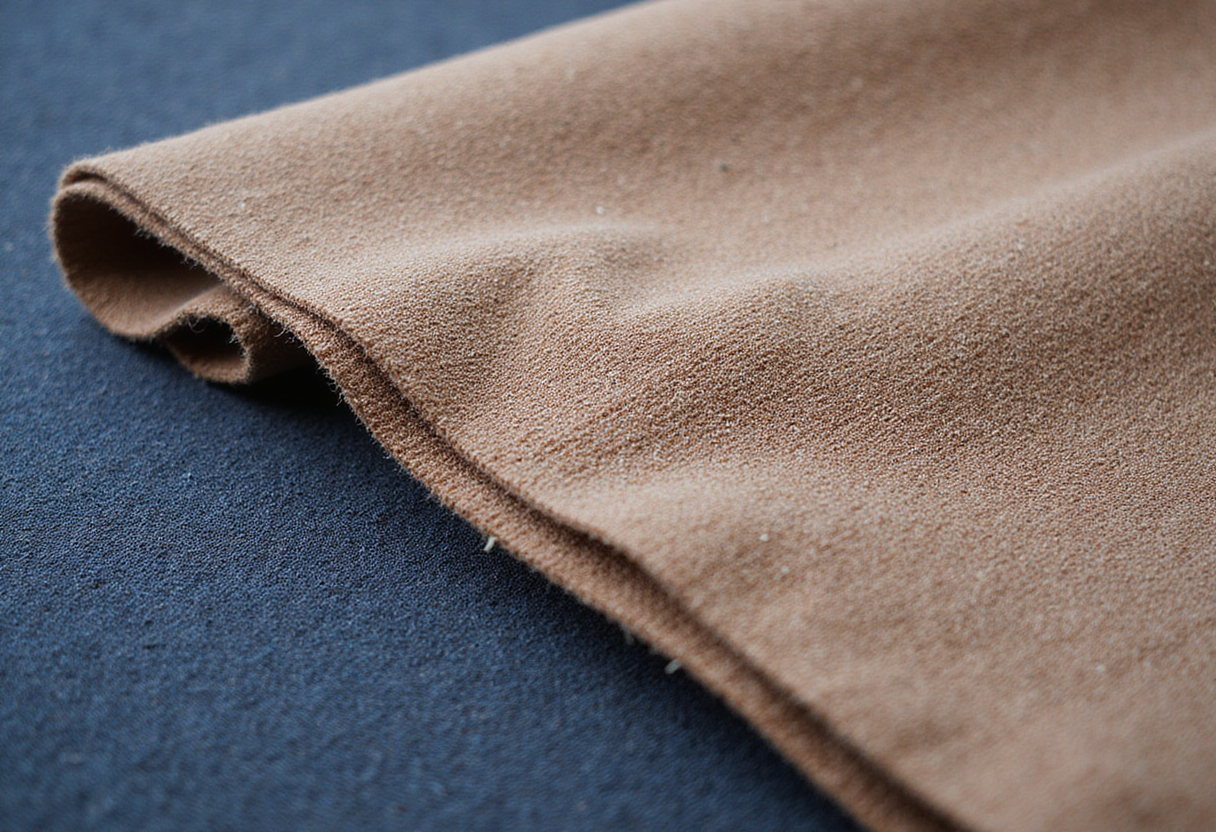
Textile World has published an examination of print design's role in textile innovation, positioning the discipline as a driver of material development rather than a surface-level decorative step late in the production cycle.
The piece argues that print design now sits closer to the front of the product development pipeline. As mills and converters race to differentiate commodity fabrics, print has become one of the faster levers available — a way to add value to a base cloth without re-engineering the yarn or the weave.
For sourcing teams, the implication is straightforward. Print capability affects vendor selection, minimum orders and lead times. A supplier with in-house digital printing can turn a strike-off in days; one dependent on rotary screens or external printers adds weeks and setup costs to every revision. Buyers evaluating factories should treat print capacity the same way they treat dye houses or finishing lines — as a measurable constraint on speed and price.
The article frames print design as a bridge between creative intent and technical feasibility. A pattern that reads well on screen may fail on a specific substrate, at a specific weight, or under a specific finishing process. Collaboration between designers and mill engineers, the piece contends, determines whether an idea survives contact with production — and at what cost.
This matters for compliance as well as cost. Print methods differ sharply in their chemistry and water use. Digital printing typically consumes less water and produces less effluent than conventional screen printing, a distinction that increasingly appears in brands' sustainability reporting and in audits tied to restricted substance lists. Sourcing managers weighing print options against corporate environmental targets will find the choice is not purely aesthetic.
The Textile World treatment also touches on how print intersects with broader innovation in fabric construction and finishing. Techniques such as engineered placement prints, textures built through layered deposition and prints that interact with fabric structure all require tighter coordination between design and manufacturing than the traditional seasonal artwork cycle allowed.
For vendors, the commercial question is investment. Digital print capacity, color-management systems and trained designers who understand substrate behavior all carry capital and training costs. Mills that have made those investments can command shorter lead times and higher margins on differentiated product; those that have not risk competing on price alone in a segment where buyers increasingly expect rapid sampling.
For brands, the practical takeaway is vendor diligence. Confirming whether a prospective supplier prints in-house or outsources, what minimums apply to which print methods, and how certification coverage extends to print chemistry should be standard steps in any sourcing decision involving printed goods.
Textile World indicates that print design will continue to gain importance as textile innovation accelerates, with the discipline expected to play a growing role in how mills and brands develop and differentiate new fabrics.
via Google News: Textile innovation & smart textiles (Source)
More from Elena Vasquez
Also on the board
- Nature Paper Signals Scalable Route to Stretchable E-Fibres
- Quality Control Emerges as the Backbone of Military Textile Innovation
- Texworld NYC Winter 2026 to Pair Sourcing with Education Push
- CreateMe Launches Robotic Apparel Manufacturing Platform
- Garment Suppliers Warn of Cost Squeeze as Cheap Energy Era Ends