Swatch card No. SW-4706 · cut November 5, 2026
Apparel ManufacturingMill spec card
Page Industries Eyes Rs 3,000-Crore Plant to Expand Jockey Capacity
Page Industries plans up to Rs 3,000 crore for a new Jockey manufacturing plant across four Indian states, plus two satellite factories and 125–150 stores annually.
- Fiber
- Apparel Manufacturing
- Count
- 3 min read
- Cut
- Weight
- 508 words
Spec notes
- Page Industries proposes up to Rs 3,000 crore (US $31.67 million) for a new manufacturing plant.
- Shortlisted states: Karnataka, Odisha, Chhattisgarh and Telangana; build time 12–18 months.
- Two satellite facilities near existing Odisha and Karnataka plants go live early next financial year.
- Digital channels contribute 16–17% of business, targeted at 30% within three to five years.
- Company plans 125–150 new stores annually over the next four to five years.
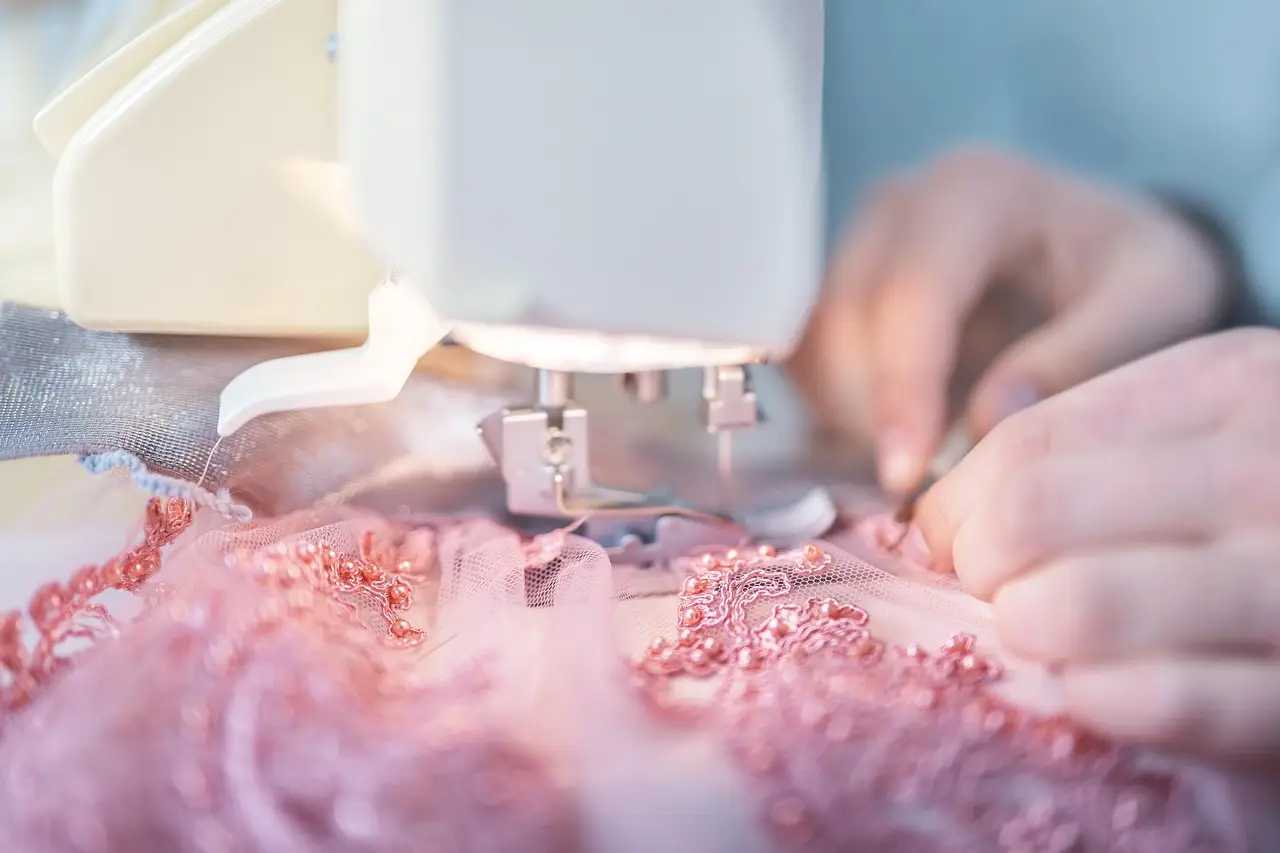
Page Industries, the Indian licensee of Jockey, plans to invest up to Rs 3,000 crore (US $31.67 million) in a new manufacturing plant, with Karnataka, Odisha, Chhattisgarh and Telangana on the shortlist. The proposal sits at the blueprint stage, Managing Director V. S. Ganesh confirmed. Construction would take 12 to 18 months once a site is chosen.
The investment answers a capacity question that has built over years of demand growth for branded apparel in India. Page Industries currently operates 16 manufacturing facilities, according to the company's website. The new plant would add volume on top of two satellite factories planned near its existing large plants in Odisha and Karnataka, due to become operational early in the next financial year.
What does the investment cover?
The confirmed elements of the plan divide into three parts:
- New greenfield plant: up to Rs 3,000 crore, location under evaluation across four states, 12–18 month build timeline.
- Two satellite facilities: near existing Odisha and Karnataka plants, targeted for early next financial year.
- Retail expansion: approximately 125–150 new stores annually over the next four to five years.
Ganesh framed the plant as a response to growing demand for branded apparel rather than a speculative build. The company has not yet committed to a final site, and the figure remains a proposed ceiling rather than a signed capital expenditure.
How fast is digital scaling?
Digital channels now contribute around 16–17 percent of company revenue. Ganesh said that share could reach the 30 percent range over the next three to five years. Online sales have already tripled over the past five years, and the company expects further growth in digital channels.
For sourcing and supply-chain teams, that shift carries weight. A channel mix moving toward 30 percent digital changes inventory allocation, packaging requirements and replenishment cycles across the 16-plant network. The store rollout of 125–150 locations per year runs in parallel, which keeps pressure on both production capacity and distribution.
Who absorbs the cost inflation?
Rising costs linked to inflationary pressures from the Middle East conflict remain a challenge, Ganesh said. Rather than pass the entire burden to consumers, Page Industries is pursuing internal offsets:
- Improving productivity across operations
- Streamlining sourcing and manufacturing
- Increasing supply chain efficiency
That choice positions the company to protect retail price points on Jockey product in a price-sensitive market, but it transfers the burden onto factory efficiency targets. Productivity gains, not price increases, will determine whether margins hold as input costs climb and the capacity build proceeds.
What happens next?
The immediate decision is the site selection among the four states, which will shape the construction timeline and the plant's eventual contribution to capacity. The two satellite facilities offer the nearer-term test, with operations due early in the next financial year. If digital share continues its trajectory toward 30 percent, Page Industries will enter the second half of the decade with a larger plant network, a wider store base and a markedly more online-weighted revenue mix.
via Apparel Resources (Source)
More from Rebecca Stone
Show full bio
Staff writer covering people, launches and day-to-day practice in fashion industry as a trade and business at The Fabric Brief.
256 articles