Swatch card · cut November 22, 2026
Textile InnovationMill spec card
Norrøna Spins Seaweed-Based PHA Fiber for Outdoor Apparel
Norrøna has spun fibers from Uluu's seaweed-derived PHA and will now test durability and performance before any commercial use, part of its push to replace fossil-based synthetics.
- Fiber
- Textile Innovation
- Count
- 3 min read
- Cut
- Weight
- 520 words
Spec notes
- Norrøna and Uluu have already spun fiber using seaweed-derived PHA as a core ingredient
- Uluu produces PHA by fermenting seaweed sugars in saltwater; material designed to biodegrade without persistent plastic fibers
- Norrøna will test strength, abrasion resistance, flexibility and durability before commercial use
- Project forms part of Norrøna's Responsibility Roadmap targeting 100% certified responsible raw materials
- Norrøna already uses GRS-certified recycled polyester and nylon
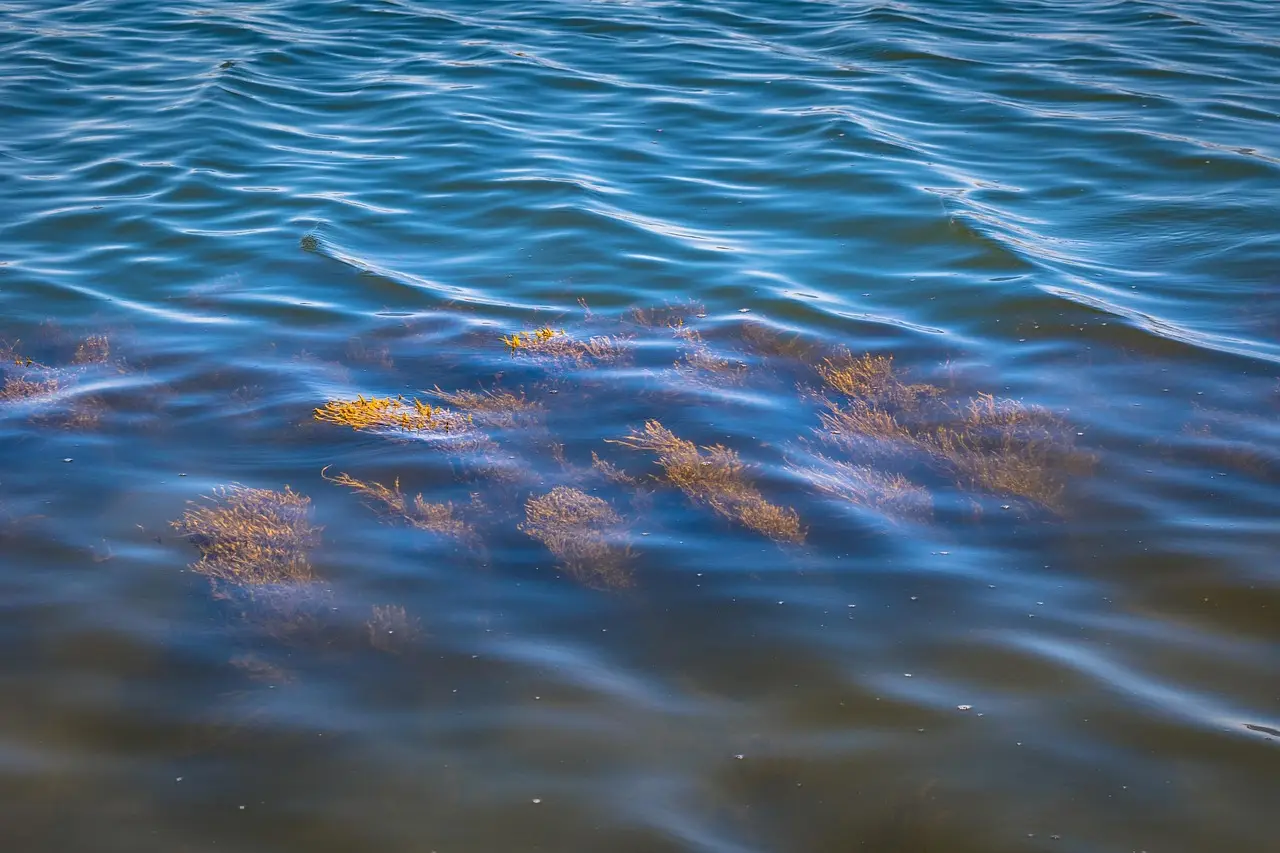
Norrøna has spun fibers using seaweed-derived PHA from Australian materials company Uluu and will now test the material against outdoor performance requirements before any commercial use. No volume commitments, timelines or price points accompany the announcement. This is a development partnership, not a sourcing decision — yet.
The two companies are working toward a bio-based alternative to conventional plastic-based synthetic fibers, with the eventual goal of using the material in Norrøna products. For a brand whose range depends heavily on polyester and nylon, the stakes are material substitution at scale, not marketing.
What is actually being made?
Uluu produces polyhydroxyalkanoate (PHA), a natural polymer, by fermenting sugars extracted from seaweed in saltwater. The polymer can then be processed into fibers. Norrøna and Uluu have already spun fiber with seaweed-derived PHA as a core ingredient — the concrete milestone to date.
The raw material carries structural advantages worth noting for sourcing teams:
- Seaweed can be harvested without agricultural land.
- It requires minimal freshwater and fertilizer.
- The resulting material is designed to biodegrade without releasing persistent plastic fibers into the environment.
That last claim, however, remains unverified. The companies themselves acknowledge environmental performance will need to be confirmed through appropriate testing. Biodegradation claims in performance apparel have a history of outrunning the certifications behind them; until test data arrives, treat this as an intention.
What does this change for the supply chain?
In the near term, very little. Norrøna will test the fiber for durability and other performance requirements before considering commercial adoption. Outdoor apparel demands strength, abrasion resistance, flexibility and durability under hard conditions, and performance will be the deciding factor in the material's commercial potential. A seaweed fiber that fails abrasion testing does not reach a shell jacket, whatever its biodegradation profile.
Jørgen Jørgensen, CEO and fourth-generation owner of Norrøna, said the company was bringing its outdoor product development experience into the early stages of material innovation to help shape fibers around performance requirements. Brad Boren, Director of Innovation and Sustainability at Norrøna, said the company would test the material against outdoor performance requirements and share findings with Uluu to support further development.
In other words, the brand is paying with engineering time and test data rather than purchase orders. That is the standard currency of early-stage material partnerships, and it keeps the financial exposure modest on both sides.
The Roadmap context
The project sits within Norrøna's Responsibility Roadmap, which targets 100% of raw materials from certified responsible sources. The company already uses Global Recycled Standard (GRS)-certified recycled polyester and nylon in its products — a reminder that its current compliance posture rests on certified recycled synthetics, not bio-based polymers.
The comparison is instructive. Recycled polyester addresses end-of-life inputs within an existing fiber chemistry; PHA replaces the chemistry itself. The second path is slower and carries more technical risk, but it is the only one that answers the microfibre-shedding question the first cannot.
The next signal to watch is durability data from Norrøna's testing programme, which will determine whether seaweed PHA graduates from laboratory fiber to commercial order book.
via textiletoday.com.bd (Source)
More from Tom Whitfield
Show full bio
Market editor covering regulation, policy and their impact on fashion industry as a trade and business at The Fabric Brief.
390 articles
Also on the board
- Norrøna Partners With Uluu on Seaweed-Based Performance Fibre
- Lycra Hits Commercial Scale on 70% Plant-Based Spandex, Cuts Carbon 45%
- Senbis researcher Naeimirad wins 2026 Paul Schlack Prize
- Toray Hits 93% Recycled Content in Polyester-Nylon Composite Yarn
- Brugnoli Hits 89% Bio-Based Content in Technical Cycling Fabric