Swatch card · cut November 20, 2026
Brands & Retail BusinessMill spec card
Merch Is Pulling Aspirational Spend From Luxury’s Price-Hike Model
Luxury prices climbed 52% in five years while Gen Z trades down to merch: a $66 GTA tee, a sold-out Palantir windbreaker and a $2,500 resale Nvidia sweater. Sourcing desks should note the short runs.
- Fiber
- Brands & Retail Business
- Count
- 4 min read
- Cut
- Weight
- 779 words
Spec notes
- Average personal luxury prices rose 52% between 2019 and 2024, per HSBC.
- 72% of Gen Z luxury shoppers told Vogue Business in late 2025 they prefer a Walmart 'Wirkin' to a Hermès Birkin.
- Rockstar's GTA takeover of Miami was a reported $3.9 million deal with Miami-Dade County.
- An Nvidia Jensen Huang sweater ($178) was relisted on eBay at $2,500 after the CEO scandal.
- Palantir's $170 windbreaker sold out in South Korea.
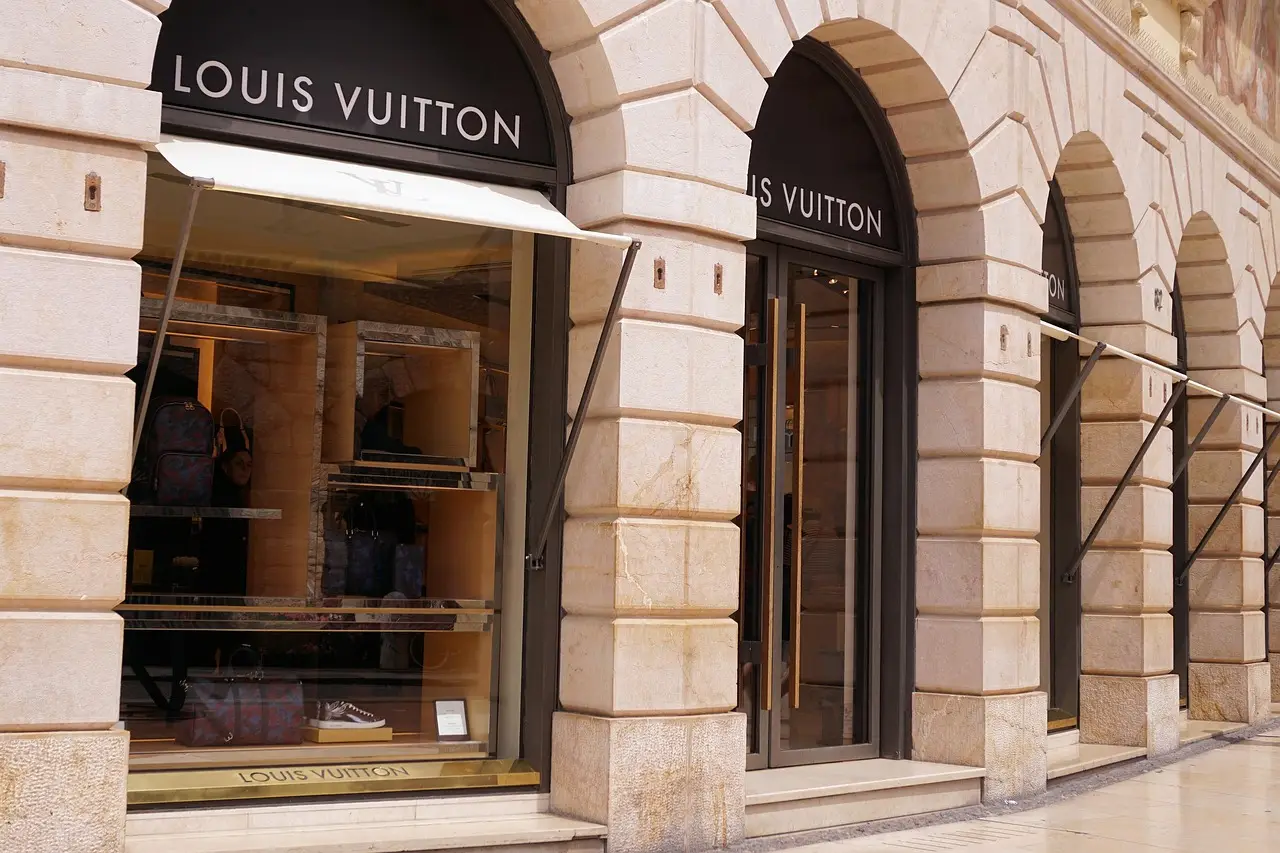
The average price of personal luxury goods rose 52% between 2019 and 2024, per HSBC — and a growing cohort of middle-income young shoppers has responded by spending $66 on a hot-pink GTA logo tee or $257 on a Rhode windbreaker instead of a $375 Coach Tabby. Merch, once a band-tee afterthought, is now competing directly for the aspirational dollar that accessible luxury treated as its own.
The economics are blunt. A $165 Longchamp Le Pliage once marked the entry point to branded belonging. A Roblox hoodie, a band tee or a pair of GTA x Travis Scott Nike Air Force 1s now performs the same cultural work for a fraction of the outlay. In late 2025, 72% of Gen Z luxury shoppers told Vogue Business they would prefer a Walmart "Wirkin" over a genuine Hermès Birkin; several respondents called heavy luxury spending distasteful and said the goods were not worth the cost.
What does this change for brands?
Simon Richardson, group strategy director at creative agency Amplify, frames the strategic problem plainly: "Brands invest inordinate amounts of resources into product research and development to try and catch the ever-elusive hype cycle. But with consumers suddenly coveting more transient 'merchandise' over main line product ranges, is that investment misplaced?" His answer: "Brands should be creating a moment in time, not just a product line."
The channel evidence is already commercial, not theoretical:
- A24 took over a downtown 1<3 NY souvenir shop on Wednesday to sell the Club Kid capsule designed by Emily Dawn Long — the Dimes Square screenprinter known for her Spoiled Boys tee — before a limited online drop. Most styles are now sold out. The ragged tops carry a film line, "It's like that every time"; director Jordan Firstman wore his own Long tee, "Take off your clothes", in the film itself.
- Palantir, the Trump-contracted data surveillance firm, released a $239 chore jacket and a $170 windbreaker that sold out in South Korea.
- Nvidia, whose CEO Jensen Huang stepped down this week following reports of an extramarital affair with a potential Chinese spy, sells a $178 sweater printed with a leather-jacketed cartoon of Huang; one resale listing on eBay reached $2,500 after the scandal.
- OpenAI sells a $75 racing-style shirt, comparable to Corteiz, Palace and Supreme product, plus $10 bumper stickers and $40 caps.
For licensing and collaboration desks, the template is Rockstar's GTA launch. The reported $3.9 million deal with Miami-Dade County lit up Miami Heat's stadium, dressed players in black-and-pink jerseys and activated across the city. London's Selfridges pop-up drew influencer and DJ Leo Mandella, who spent £250 (roughly $329) — despite normally finding merch "a bit gimmicky". "Rockstar were absolutely incredible at creating a capsule of merch that was just as good as the game," he said. "Buying a Vice City tee or a Burger Shot uniform makes you feel like you're in this fictional world."
Why beauty and tech are buying in
Beauty and tech share a structural problem: intangible or non-walking products. The Rhode phone case, visible in influencer selfies, marked the first step; wearable merch is the second. Jolyon Varley, co-founder of marketing agency OK Cool, argues the shift is generational: "Gen Alpha grew up inside worlds. For them, a 'skin' is merch, a creator's snack bar is merch, and a hoodie is the physical version of a world they already spend hours in."
His verdict on the old order is unsparing: "Logos used to confer status... Merch tells people what you're into, and that's become far more valuable. It's a matter of signaling taste rather than wealth."
Not all merch is created equal
The execution bar is high. Sara McAlpine, co-founder of studio Bikini, warns against the recent tech plays: "There's no reason to be producing a chore coat unless you're trying to say you're aligned with a Carhartt WIP and Japanese-denim wearing aesthetic-conscious crowd." Richardson advises anchoring merch in "lore" and time — exclusivity, event tie-ins, the message of "I was there" — while Varley cites the Awake x Jordan T-shirts, art-directed by graffiti artist Fatzoo and handed out at Notting Hill Carnival's Deviation stage: if you were not there, you did not get one.
Brand strategist Emma Hope Allwood of Ursula draws the commercial conclusion: "What you're selling is the aura." Cross the categories, and a cultural moment becomes multiple revenue lines. Expect more licensing desks to test that thesis in 2026 — with small runs, tight collaborators and shorter lead times than any main line can manage.
via vogue.com (Source)
More from Tom Whitfield
Show full bio
Market editor covering regulation, policy and their impact on fashion industry as a trade and business at The Fabric Brief.
390 articles
Also on the board
- LuxExperience raises guidance after €611 million Q1 sales gain
- WWD x BCG Report: 53% of Consumers Now Buy on Quality-Per-Price
- Rowing Blazers CFO Grant Simm Exits to Launch Badinage
- American Giant Opens Third Store, First Door to Carry Third-Party Brands
- Philipp Plein Bankrolls Expansion as Footwear Nears €100M