Swatch card No. SW-7293 · cut November 19, 2026
Brands & Retail BusinessMill spec card
Luxury Market to Reach €2.2–2.6 Trillion by 2035, Bain-Altagamma Says
Bain-Altagamma sees luxury reaching €2.2–2.6 trillion by 2036 as personal goods hit €367bn in 2026; the buyer base fell 15 million as spending shifts to experiences.
- Fiber
- Brands & Retail Business
- Count
- 3 min read
- Cut
- Weight
- 667 words
Spec notes
- Global luxury market forecast at €2.2–2.6 trillion by 2035, from €1.52 trillion in 2026, growing 4–6% a year.
- Personal luxury goods to reach €367bn in 2026, up 1–3% at current rates; 2027 base case 0–4% growth.
- Personal luxury buyer base fell from 330 million in 2025 to an estimated 315 million in 2026.
- Experiential luxury to hit €533bn in 2026, up 2–4%; monobrand stores gained share at 37% from 36%.
- 2027 Consensus: EBITDA up 5% on organic sales and cost control, without significant volume growth.
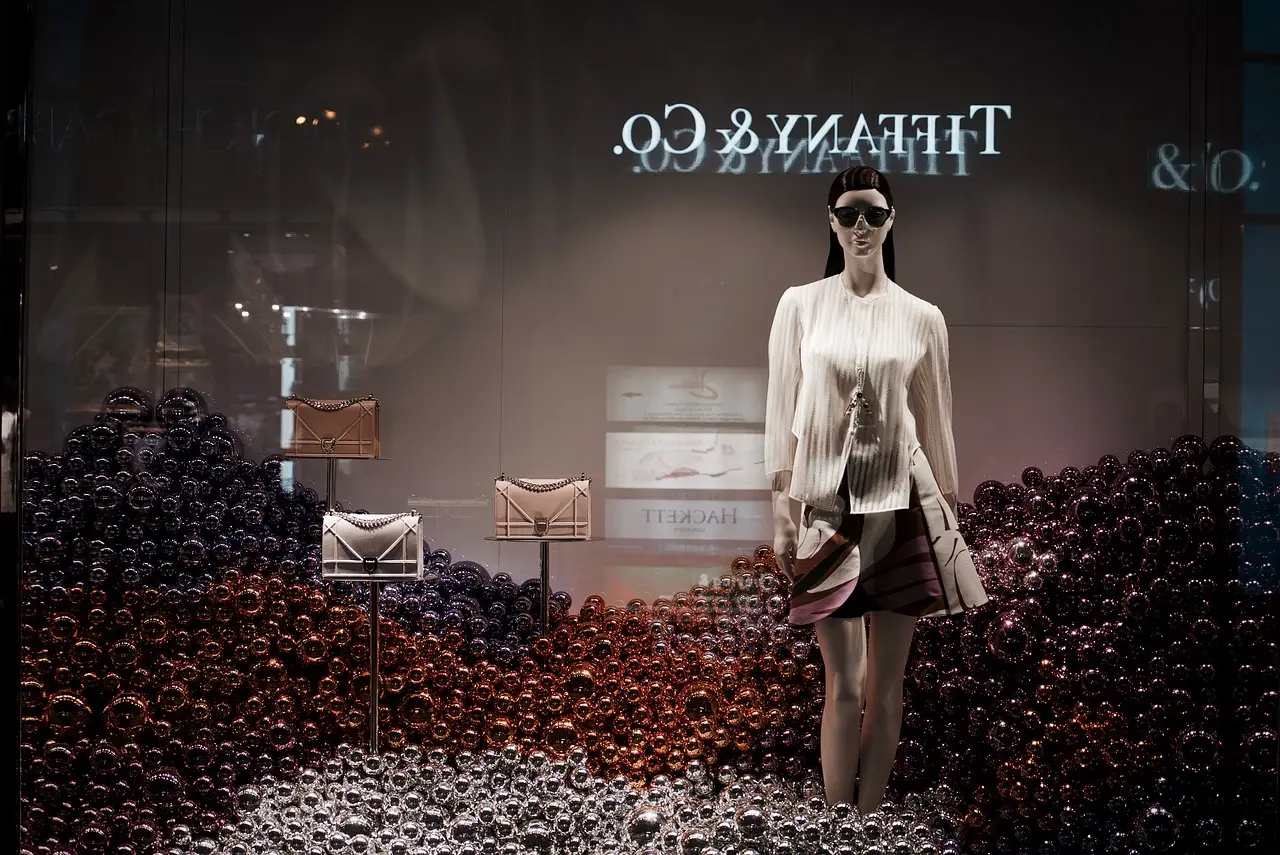
The global luxury market is on course to nearly double, reaching between 2.2 trillion and 2.6 trillion euros by 2035 from 1.52 trillion euros in 2026, according to the fall 2026 Bain-Altagamma Luxury Worldwide Market Monitor presented Wednesday at Altagamma's Milan headquarters. That works out to 4 to 6 percent annual growth. The 2026 base itself, set against 2025, is between flat and 2 percent up at constant currency.
The near-term picture is less generous. Personal luxury goods, after two years of slight contraction, are expected to reach 367 billion euros in 2026 — growth of 1 to 3 percent at current rates, 2 to 4 percent at constant currency. In June the same research partnership had forecast 365 billion to 373 billion euros, up from 358 billion in 2025. The 2027 base case is 0 to 4 percent.
What does the growth rest on?
Fewer people, more money. The overall luxury consumer base held stable at around 450 million in 2026, but the personal luxury goods base fell from 330 million in 2025 to an estimated 315 million, as spending migrates toward premium leisure and entertainment. Top customers more than offset the retreat of aspirational buyers.
"Making memories increasingly becomes more important than ownership," said Claudia D'Arpizio, Bain senior partner and lead author. She argued that "the luxury market is redefining its boundaries, rather than slowing down or recovering," and that longevity — longer, healthier, more active lives — will lift the combined share of Boomers, the Silent Generation and Gen X, whose spending already represents 45 to 55 percent of the total.
Experiential luxury confirms the tilt. Hospitality, fine wines and spirits, high-end dining, cruises, private jets and yachts should reach 533 billion euros in 2026, up 2 to 4 percent. Altagamma president Giovanna Vitelli said experiential luxury is "growing up to 4 percent, led by hospitality, fine dining, yachts and luxury cruises," and she sees the shift as an opening for the Italian lifestyle, backed by Altagamma investment in training and "strengthening the country's unique know-how."
Where the money moves
Federica Levato, Bain senior partner and co-author, set out the 2026 geography for personal luxury goods:
- Americas: up 7 to 9 percent at constant currency, domestic brands gaining momentum
- Asia ex-China and Japan: up 5 to 7 percent on local and tourist spending
- Europe: up 1 to 3 percent
- Mainland China: down 1 to 3 percent, after a strong first half led by Chinese New Year spending
- Middle East, Africa and Oceania: down 10 to 14 percent, on conflict-related pressure
Accessible luxury cars fell 5 percent; larger private jets and yachts rose 4 percent. Fine art returned to growth at 1 percent. Spirits kept declining while gourmet dining grew 5 percent and luxury cruises 7 percent, with hospitality strong in Asia.
Channels and categories
Monobrand stores remain the largest channel, lifting share to 37 percent from 36; online should grow 2 to 4 percent. Jewelry leads categories at 8 to 10 percent growth, followed by eyewear at 4 to 6 percent. Watches and beauty expand 3 to 5 and 2 to 4 percent respectively. Apparel manages 1 to 3 percent; leather goods range from flat to 2 percent. Shoes decline 3 to 5 percent, squeezed by price increases and adjacent-category competition.
"Consumers value different things at different price points," Levato said. "The winners will be those that stay clear about whom they serve."
Altagamma CEO Stefania Lazzaroni presented the 2027 Consensus: North America up 5 percent, India up 6 percent, the Middle East up 4 to 5 percent, Europe up 3, China up 1 on a cautious view. Category EBITDA is forecast to rise 5 percent on organic sales and cost optimization — without significant volume growth. D'Arpizio's closing caution deserves attention: AI is "reshaping how consumers discover and choose luxury brands, giving brands less control over how they show up." Whoever owns the answer, not the storefront, will own the customer.
via WWD (Source)
More from Tom Whitfield
Show full bio
Market editor covering regulation, policy and their impact on fashion industry as a trade and business at The Fabric Brief.
373 articles
Also on the board
- Savills Map Shows Luxury Retail Leasing Spreading Beyond Gateway Cities
- LuxExperience raises guidance after €611 million Q1 sales gain
- Cucinelli Lifts 2026 Outlook to 12% After 1.12 Billion Euro Nine-Month Sales
- Luxury Q3: Sector Growth Halves to 4% as China Sinks Results
- Philipp Plein Bankrolls Expansion as Footwear Nears €100M