Swatch card No. SW-5132 · cut October 10, 2026
Brands & Retail BusinessMill spec card
KKCL Targets 15–18% Revenue Growth, 50–70 New Stores in FY27
KKCL targets 15–18% organic revenue growth in FY27 with 50–70 new stores, expanding Kraus, strengthening Killer and redirecting smaller brands to new channels.
- Fiber
- Brands & Retail Business
- Count
- 3 min read
- Cut
- Weight
- 559 words
Spec notes
- KKCL targets 15–18% organic revenue growth in FY27
- Company plans to add approximately 50–70 stores
- Portfolio includes Killer, Lawman, Easies, Integriti and Kraus
- Smaller brands will shift to new channels and consumer segments
- Three-year revenue CAGR expected to hold, per management
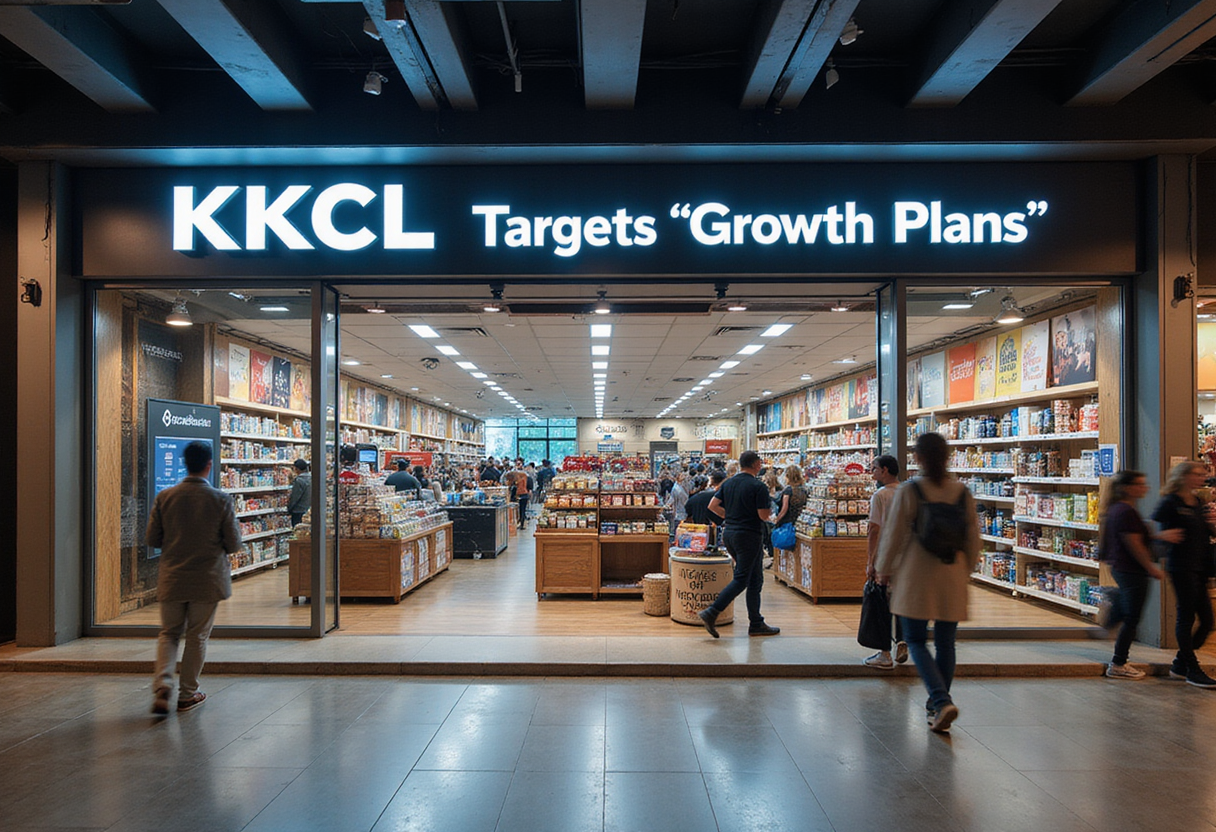
Kewal Kiran Clothing Ltd (KKCL) is targeting 15–18% organic revenue growth in FY27 and plans to add approximately 50–70 stores to its retail network, the Mumbai-listed apparel company has announced.
The store rollout anchors on two strategic moves: expansion of the premium Kraus brand and reinforcement of the core Killer label. At the same time, the company will shift its smaller brands toward new channels and consumer segments rather than pursuing standalone retail scale for them.
KKCL's portfolio currently spans five brands — Killer, Lawman, Easies, Integriti and Kraus. The FY27 plan signals a clear tiering of that portfolio: Killer remains the volume engine, Kraus gets the growth capital, and the tail brands get redirected to alternative routes to market.
For the company's sourcing and supply-chain partners, the guidance implies a meaningful step-up in order volumes. A 15–18% organic revenue target, paired with 50–70 incremental stores, translates directly into higher fabric commitments, expanded cut-and-sew capacity and tighter lead-time management across the upcoming buying cycles.
What does the growth target mean in practice?
Management also expects the company's three-year revenue CAGR to hold firm, indicating the FY27 guidance extends rather than breaks an existing growth trajectory. The figure was framed as an expectation, not a confirmed result — actual performance will depend on execution across the store-opening calendar and the channel shift for smaller brands.
The 50–70 store range itself warrants scrutiny from vendors planning capacity. A spread that wide suggests the rollout remains flexible, with final counts likely tied to real estate availability, store economics and the pace at which Kraus locations prove out. Suppliers negotiating multi-season contracts should treat the upper end as an ambition and the lower end as the committed baseline.
The decision to push Lawman, Easies and Integriti toward new channels and consumer segments points to a distribution rethink rather than a portfolio cull. For vendors serving those labels, that could mean smaller, more fragmented order books channelled through e-commerce, value retail or niche segments instead of large mono-brand runs.
Who carries the expansion risk?
As with most retail-led growth plans of this type, the company bears the capex burden of new stores while suppliers absorb volume and lead-time pressure. The emphasis on organic growth — rather than acquisitions or licensing deals — indicates KKCL intends to fund expansion from operations, a stance that typically keeps sourcing relationships consolidated with existing vendor bases rather than opening them to aggressive new tendering.
Brand and sourcing professionals watching the Indian denim and casualwear market should note the structure of the play: concentrated investment behind two brands, retail footprint as the growth vehicle, and channel diversification for the rest of the portfolio. That is a classic margin-discipline configuration — fewer, larger brand bets with distribution experiments quarantined in the tail.
The company has not yet disclosed a store-opening timeline broken down by quarter or brand, nor specific capex figures for the FY27 rollout. Those details, when they arrive with quarterly results, will determine whether the 50–70 store target is front-loaded or spread across the fiscal year.
KKCL's next set of quarterly results should confirm whether the three-year CAGR expectation and the FY27 growth target remain aligned with trading conditions in India's organised apparel retail sector.
via Apparel Resources (Source)
More from Priya Raman
Show full bio
Correspondent covering industry trends and analytics at The Fabric Brief.
159 articles