Swatch card No. SW-7139 · cut November 2, 2026
Sustainability & ComplianceMill spec card
Kering Opens Water Resilience Lab for Tuscany's Arno Basin
Kering launches the Water Resilience Lab for the Arno basin with LVMH, Burberry and Generali funding restoration of six Tuscan hot spots; 2023 floods cost 1.89 billion euros.
- Fiber
- Sustainability & Compliance
- Count
- 3 min read
- Cut
- Weight
- 580 words
Spec notes
- Kering launched the Water Resilience Lab — Arno Basin on Monday in Florence, with Conservation International and Etifor.
- LVMH joined at the highest funding level; Burberry and Assicurazioni Generali also contribute.
- 2023 floods in Tuscany caused an estimated 1.89 billion euros in damages (IRPET data).
- Six hot spots were selected for nature-based restoration, with work already started on the ground.
- By 2030, Tuscany is projected to face more than 50 days of heat stress per year.
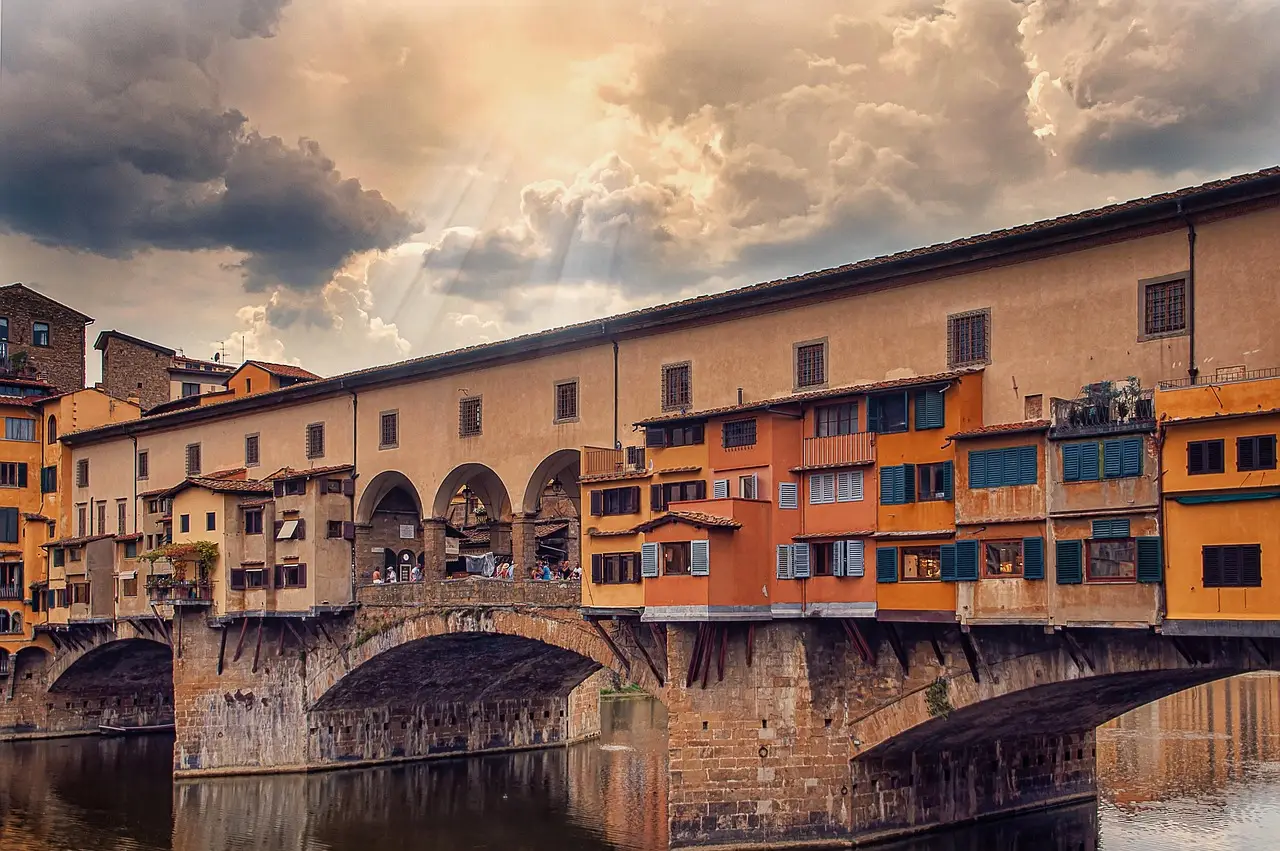
Kering launched a co-funded water resilience platform for Tuscany's Arno River basin on Monday, with LVMH, Burberry and Assicurazioni Generali already backing the initiative financially.
The group unveiled "The Water Resilience Lab — Arno Basin" at Palazzo Medici Riccardi in Florence, timed to the 60th anniversary of the 1966 Florence flood. The luxury group built the program with Conservation International and Etifor, a certified B Corp (a company verified for social and environmental performance) spun off from the University of Padua.
The commercial stakes are concrete. The Arno basin hosts several of Italy's densest manufacturing and leather-crafting districts, which sit inside Kering's supply chain. Floods that hit Tuscany in 2023 caused an estimated 1.89 billion euros in damages, according to the Regional Institute for Economic Planning of Tuscany (IRPET). By 2030, the region is projected to face more than 50 days of heat stress per year, exposing every stakeholder in the basin to water-related risk.
What does the Lab actually do?
Over the past 12 months, the platform has convened public institutions, businesses, academia, scientists and financial stakeholders. Its stated aim is coordinated, long-term action rather than fragmented projects, addressing water scarcity, droughts, floods and pollution across the basin.
The roadmap rests on a science-based analysis conducted in 2025 by Etifor with two University of Florence departments — DAGRI (agricultural, food, environmental and forestry sciences) and DICEA (civil and environmental engineering). That work produced a hydrological, ecosystem and socio-economic assessment of the basin.
Six hot spots were selected as the first unit of nature-based restoration projects, and work on the ground has already started. They are:
- Villa Petriolo, Ombrone — Bisenzio
- Altopascio — Lake Sibolla
- Pisa — Era Basin
- Usciana — Pescia River
- Arezzo — Chiana Valley
All six sit in areas of prominent manufacturing districts, culture, craftsmanship and tourism — the same territory that supplies Tuscan tanneries and textile mills.
Who is paying, and why?
LVMH joined first, at the highest contribution level. Helène Valade, LVMH Group environment development director, said: "Joining the Water Resilience Lab — Arno Basin illustrates our conviction that preserving ecosystems and building resilience against extreme events requires an anchored, collaborative territorial approach." She tied the project to the group's LIFE 360 environmental strategy.
Kering framed participation as supply-chain protection, not philanthropy. "No individual company or actor, regardless of its size or influence, can address the challenges posed by climate change, nature loss, and water risk alone," said Marie-Claire Daveu, Kering's chief sustainability and institutional affairs officer. "Our ambition is to make the Arno a leading example that can be replicated globally."
The Lab plans to use public-private cofinancing and what it calls innovative financial instruments. No budget figure, cofinancing split or project cost was disclosed at the launch — a gap sourcing teams tracking water-risk exposure in Italian supply chains will want filled before treating the roadmap as committed capital rather than stated intent.
Can the model scale?
Organizers position the Lab as an international benchmark for investors, businesses and public institutions — a replicable model for other water-stressed river basins worldwide. The roadmap follows a Nexus approach, which treats water, nature, climate and society as interdependent systems.
What is not yet specified: measurable restoration targets, timelines per hot spot, or how results will be audited. The 2030 heat-stress projection gives the initiative a de facto deadline, and further corporate funders are expected to join as the six pilot projects move from groundwork to verified outcomes.
via WWD (Source)
More from Priya Raman
Show full bio
Correspondent covering people, launches and day-to-day practice in fashion industry as a trade and business at The Fabric Brief.
298 articles
Also on the board
- Kering Opens Milan Academy to Secure Italy's Luxury Craft Pipeline
- Water Risk Looms as Fashion's Next Supply Chain Bottleneck, Analyst Warns
- Gilmar Files for Creditor Protection, Winds Down No. 21 and Iceberg Licenses
- Primark Signs Multiyear Offtake Deal for Circ Recycled Polyester
- Epoch Biodesign hires Jamie Scott as COO as nylon biorecycling scales