Swatch card No. SW-9528 · cut October 30, 2026
Sustainability & ComplianceMill spec card
Europe's Clothing Repair Market Hits €2.8bn as Brands Scale Programs
Europe's clothing repair sector reached €2.8bn in 2025, growing 5.5% annually, as Next, Primark and Salomon scale repair programmes and resale data shows 3.3x returns on mended items.
- Fiber
- Sustainability & Compliance
- Count
- 3 min read
- Cut
- Weight
- 610 words
Spec notes
- Europe's clothing and footwear repair sector was worth €2.8bn ($3.1bn) in 2025, projected to reach €3.7bn by 2030 at 5.5% annual growth.
- Nine new or expanded brand repair initiatives launched in H1 2026, including Next, Kiabi, Salomon and Primark.
- United Repair Centre data on 1,131 items showed €22.73 average repair cost against €73.93 average resale price, with 97.7% selling above repair cost.
- 89% of shoppers expect garments to last at least 30 wears, per a Samsara Eco study.
- Ireland plans to pilot a repair voucher scheme from 2027, following France's repair bonus model.
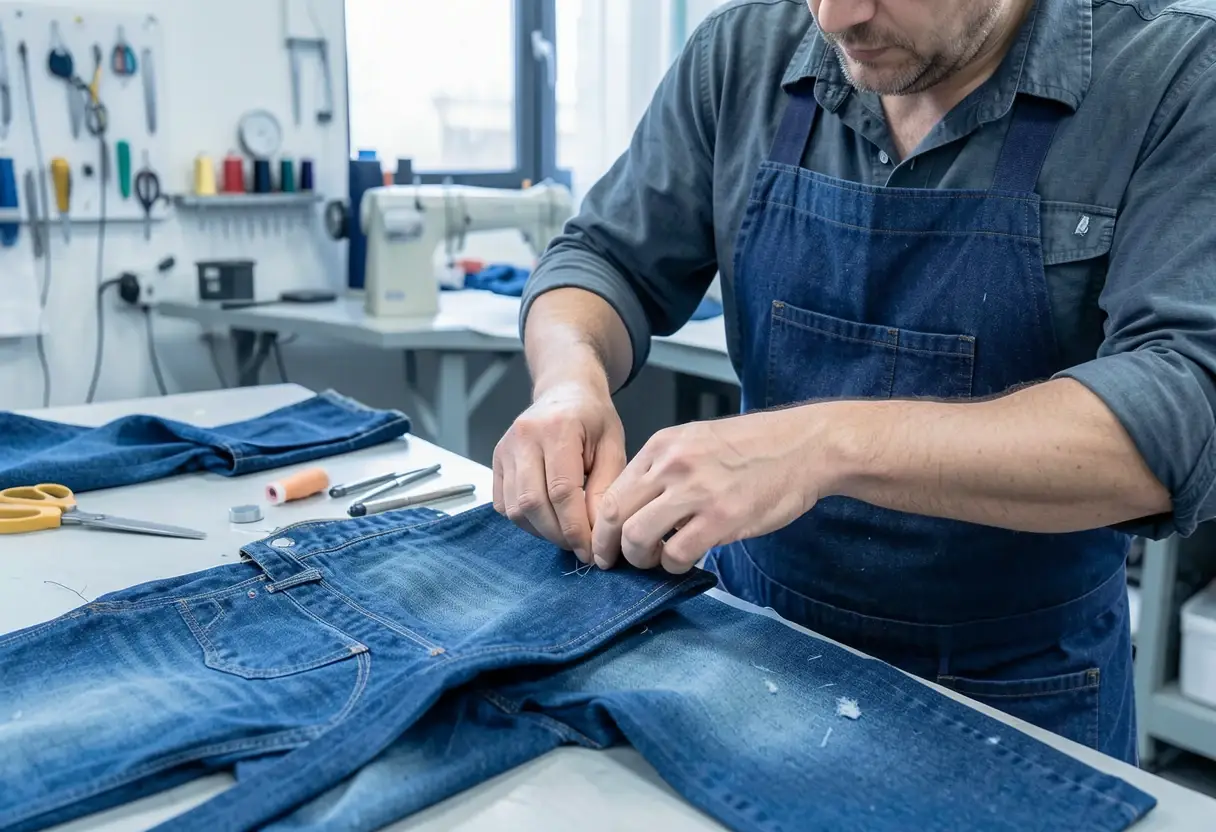
Europe's clothing and footwear repair sector reached €2.8bn ($3.1bn) in 2025 and is projected to grow 5.5% annually to €3.7bn by 2030, according to data from the Fédération de la Mode Circulaire and KPMG cited in the State of Clothing Repair & Care H1/2026 report.
The figure remains small against the wider apparel market. Repair costs stand as a persistent obstacle, and the report treats the sector's growth as conditional rather than assured.
Which brands moved in H1 2026?
Circular Fashion News tracked nine new or expanded repair initiatives from high-street names in the first half of 2026. Next, Kiabi, Salomon and Primark each added or extended repair programmes, frequently through partnerships with specialist repair providers.
The pattern signals a shift in sourcing strategy. Brands are moving beyond take-back schemes and recycling toward garment longevity services, embedding aftercare into their channel operations.
Where is the commercial case?
The strongest economics sit in repaired-and-resold premium product. United Repair Centre data covering 1,131 branded items showed an average repair cost of €22.73 per item against an average resale price of €73.93.
That works out to resale value 3.3 times the repair cost. Of the items tracked, 97.7% sold for more than the repair cost.
For sourcing and supply-chain teams, the numbers frame repair as a value-recovery step for higher-quality goods rather than a mass-market service. Fast and ultra-fast fashion continues to undercut the perceived value of mending inexpensive garments.
What drives consumer demand?
A Samsara Eco study referenced in the report found 89% of shoppers now expect garments to last at least 30 wears. That expectation puts pressure on brands to design for durability and support longer garment lifespans.
Google Trends data shows steady growth in clothing care and repair searches since 2025. On social media, hashtags such as #fabrictok and #naturalfibertok spread as consumers research durable fabrics and maintenance.
Visible mending has also gained commercial traction. Pinterest's Hobbies Trend Report 2026 recorded an increase of more than 1,500% in searches for decorative repair techniques such as "sashiko ideas." Repair patches from brands including Arc'teryx have become recognised design features in their own right.
What limits the market?
Price, not principle, drives repair behaviour. A study by RISE Research Institutes of Sweden surveyed more than 3,000 participants in Denmark, Poland and Sweden and found saving money was the primary incentive for repair. Environmental reasons ranked second.
Respondents said they would pay up to half the price of new jeans for a repair. Uncertainty about the final cost and turnaround time emerged as the main deterrent — a direct challenge for service providers on pricing transparency and lead-time management.
How does policy shape the outlook?
Government intervention is emerging as the key scaling lever. France's repair bonus remains the clearest operating example cited in the report. Ireland announced plans in the first half of 2026 to pilot a similar repair voucher scheme from 2027.
In May, the Ellen MacArthur Foundation and 69 organisations called for lower VAT and labour taxes on repair and resale. The report identifies such fiscal measures, alongside durable product design and viable business models, as conditions for scaling the sector.
The report is organised in three sections: the repair market and H1 trends; established repair and care services from brands including Patagonia, Nudie Jeans, Barbour and Arc'teryx; and the consumer, design, commercial and policy changes required for further expansion. Whether the 2030 target holds will depend largely on whether fiscal incentives and transparent pricing can overcome the cost barrier the data consistently identifies.
via Just Style (Source)
More from Rebecca Stone
Show full bio
Staff writer covering people, launches and day-to-day practice in fashion industry as a trade and business at The Fabric Brief.
244 articles
Also on the board
- Faulty Garments Drive Brand Exit for 27.7% of Consumers, Survey Finds
- Philipp Plein Bankrolls Expansion as Footwear Nears €100M
- US Tariff Update Keeps Pressure on Apparel, Cotton Sourcing Costs
- Rotostitch banks $1m to scale automated apparel production
- Garment failures push 27.7% of shoppers to abandon brands: survey