Swatch card No. SW-1163 · cut October 10, 2026
Trade & TariffsMill spec card
India Textile Exporters Face New US Tariff Squeeze
New US tariffs on Indian textile shipments are forcing a repricing pass across active purchase orders, and trade press is asking whether India-based mills can absorb the duty step-up without losing order volume.
- Fiber
- Trade & Tariffs
- Count
- 3 min read
- Cut
- Weight
- 651 words
Spec notes
- New US tariffs are now in effect on Indian textile shipments, prompting a trade-press review by Fibre2Fashion
- Sourcing desks must recost every open India-origin PO against the updated duty schedule within the quarter
- Alternative-origin qualification cycles for cotton, denim and home textiles typically run 90 to 180 days
- The next two quarters of vendor negotiations will resolve whether US sourcing channels pivot away from India
- Compliance teams should obtain written HTS reclassification per SKU from each Indian vendor
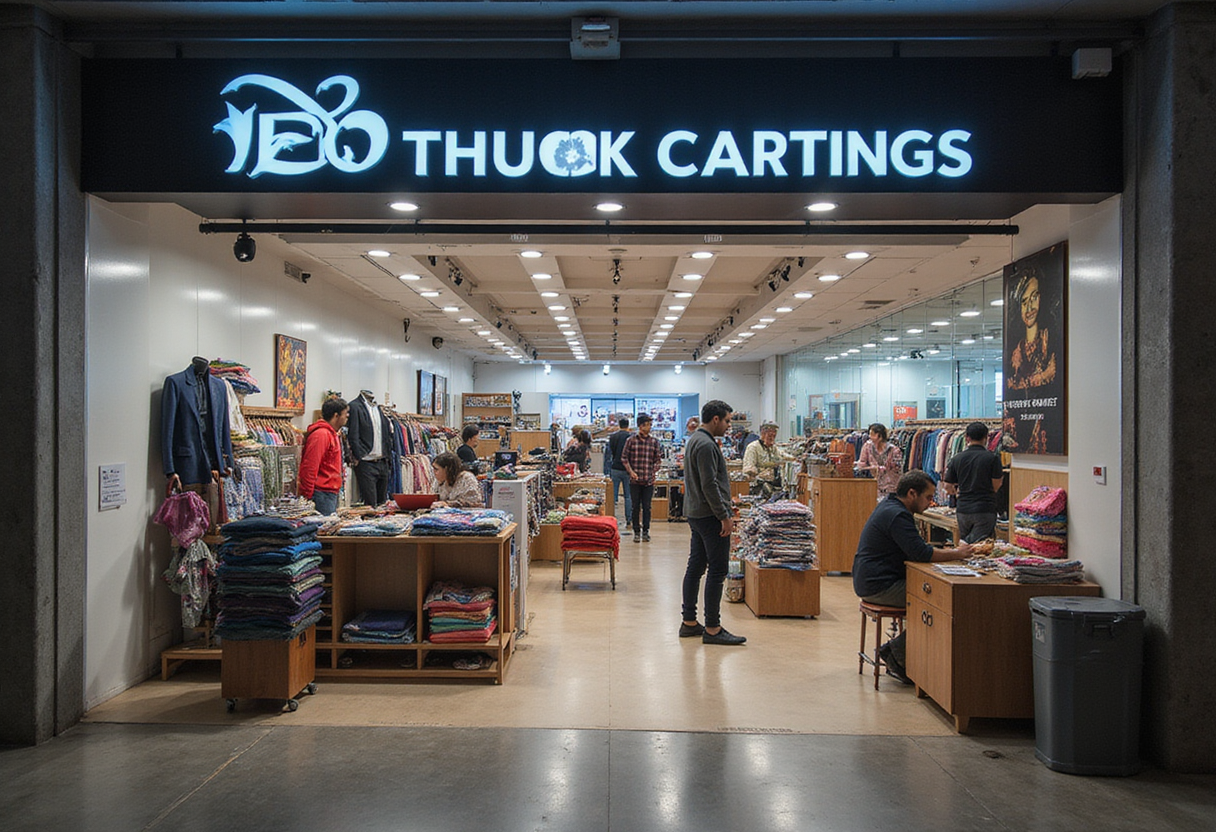
New US tariffs on Indian textile shipments are forcing a repricing pass across active purchase orders, putting India-based apparel, home-textile and fabric mills in a margin-compression position that global sourcing teams must now quantify.
The trade-press signal — headlined "India textile dilemma: Can exporters survive the new US tariffs?" by Fibre2Fashion — captures the central question circulating inside US brand sourcing desks this quarter. Headlines of this kind are the first alert that landed-cost stacks are moving; the second-level question, never in the headline, is who pays.
For US apparel, footwear and home-furnishings buyers, the immediate vendor pass should cover five concrete items:
- Re-cost every open India-origin PO against the updated US duty schedule
- Confirm HTS classification per SKU, in writing, with each vendor
- Revisit Incoterms and the DDP/DDU split on each active contract
- Request a fresh country-of-origin statement and compliance attestation
- Stress-test the payment-term and letter-of-credit mix with each mill
Each item is routine under normal sourcing conditions, but tariff shocks compress the response window. Vendors that respond within days have the working-capital cushion to ride the transition. Vendors that stall have not budgeted for the change, and will either ask the buyer to absorb the hit or raise the PO price.
What changes for Indian mills under a new duty regime?
Compliance adds its own friction. Indian mills shipping under any US preference-program framework — including GSP-style certifications or specific FTA pathways — face a different duty stack than those on standard MFN rates. Brand compliance teams should not assume prior tariff classifications survive a regime change. Written confirmation from each vendor is the minimum diligence, and a re-classified SKU can swing margin by several points.
Channel exposure is often the overlooked line item. Indian textile imports entering the US through bonded warehouses, foreign-trade zones, or Section 321 de minimis entries carry a different landed-cost profile than full-duty container entries under the new schedule. Logistics and customs teams should rerun route-level economics against the updated duty. What looked optimal last quarter may not hold this one.
Will the new tariff trigger a country shift in sourcing?
The strategic question — whether the new duty regime triggers a structural country shift in US textile sourcing — is unresolved in public reporting. Brands that have already been diversifying away from India toward Bangladesh, Vietnam, Cambodia, Egypt or Western Hemisphere alternatives will read the new duty as either a confirmation of that hedge or a trigger to accelerate it. The deciding factor is whether Indian mills can hold landed cost competitive with alternative origins after the duty step-up.
Capacity realities will shape the answer in the near term. Indian textile capacity remains concentrated in cotton-forward categories, denim, home textiles, and yarn-dyed fabrics where qualification cycles at alternative origins typically run 90 to 180 days. A buyer that decides to shift volume today cannot expect replacement product before the next US buying season, making the immediate question less "should we leave India?" and more "which POs do we hold, and at what price?"
Who actually pays the tariff?
Finance is the silent agenda item on every vendor call. Indian exporters under compressed margins typically ask for extended payment terms, conversion of open-account terms to letters of credit, or volume guarantees in exchange for holding price. US buyers negotiating these asks should expect them, document any concessions in writing, and budget for the working-capital impact on their own books.
The forward question — raised by the Fibre2Fashion headline but not yet resolved in public coverage — is whether Indian textile exporters will restructure and hold volume under the new duty regime, or whether US sourcing channels will see a measurable pivot to competing origins. The vendor calls placed in the next two quarters will produce the answer more reliably than any policy forecast.
via Google News: Apparel & textile tariffs (Source)
More from Elena Vasquez
Also on the board
- US Tariffs and Conflict Hit Indian Textiles; Sector Eyes FTAs
- US Tariff Rates Hand India a Textile Edge — But No Free Pass
- India Secures Lower US Tariff, Yet Textile Exporters Stay Wary
- CITI Warns 100% US Tariffs Could Hit Indian Textile Exports
- US Tariff Squeezes Indian Textile Exporters, Industry Body Warns