Swatch card No. SW-4194 · cut October 10, 2026
Supply Chain & SourcingMill spec card
India's Industrial Output Data Splits Textiles From Apparel
India's industrial output data flag a performance gap between textile and apparel manufacturing, raising sourcing and lead-time questions for buyers with India in their supplier matrix.
- Fiber
- Supply Chain & Sourcing
- Count
- 2 min read
- Cut
- Weight
- 346 words
Spec notes
- India's industrial output figures show a gap between textiles and apparel manufacturing performance
- Business Standard reports the divergence in official factory output data
- The split affects sourcing, lead-time and capacity decisions for brands producing in India
- India competes with Bangladesh and Vietnam for apparel order volumes
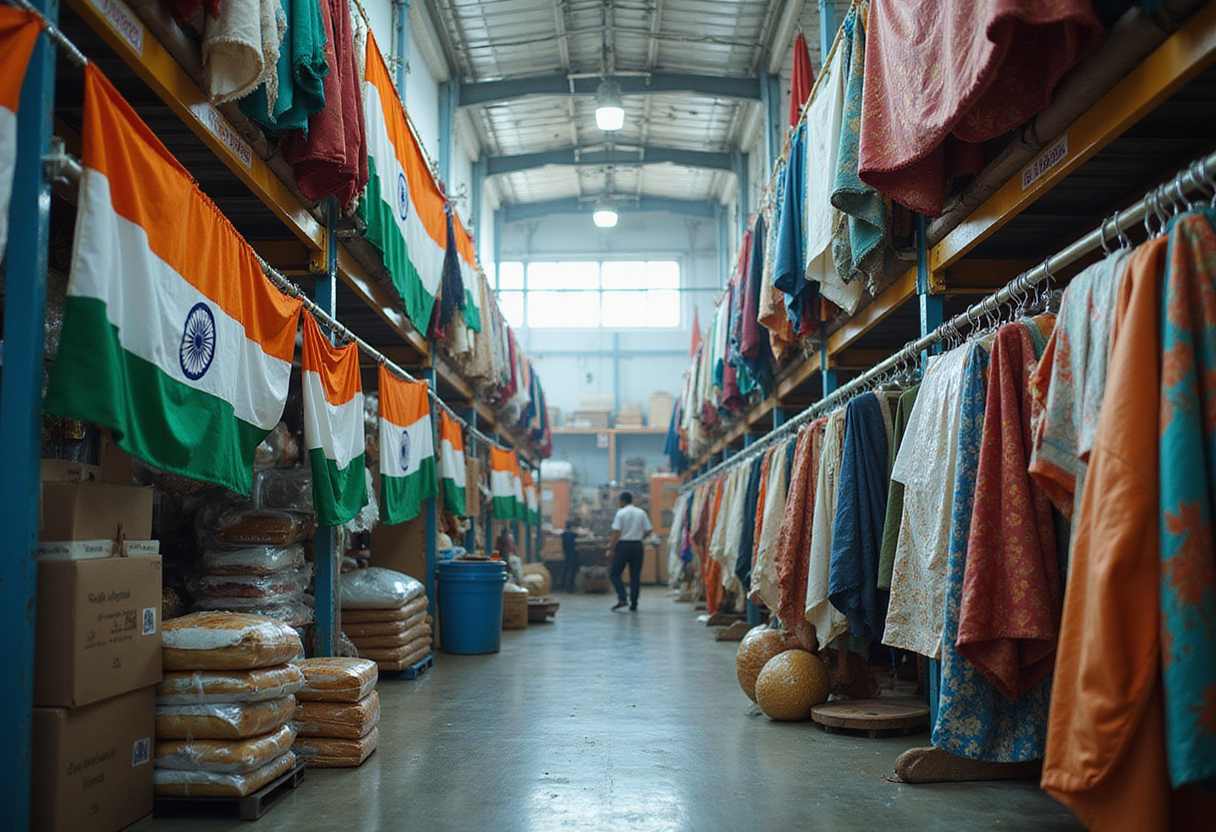
India's latest industrial output figures show a widening performance gap between the country's textile manufacturing sector and its apparel manufacturing segment, a divergence with direct implications for sourcing decisions across South Asia's largest production base.
Business Standard reports that the official industrial output data flag textiles and apparel moving in different directions, exposing structural weaknesses in one of the two segments even as the broader manufacturing picture holds up.
Why does the split matter for sourcing teams?
For brands and buying houses placing orders in India, a divergence between upstream textile production and downstream apparel manufacturing signals where capacity, pricing power and lead-time risk actually sit.
If fabric and yarn output runs ahead of garment output, cut-and-sew operations may struggle to absorb domestic inputs — pointing to possible bottlenecks at the stitching, finishing and export-order stages. If the reverse holds, mills face inventory pressure that can ripple into fabric pricing for buyers negotiating autumn and winter programmes.
India competes with Bangladesh, Vietnam and Sri Lanka for apparel order books, and industrial output data feeds directly into how procurement teams benchmark the country's reliability as a volume destination.
What questions should buyers now ask vendors?
The output gap raises practical questions for anyone with India in their supplier matrix:
- Which segment — textiles or apparel — is constraining delivery schedules, and is the constraint structural or seasonal?
- Are mills holding finished-goods inventory that garment exporters cannot convert, and what does that mean for fabric price negotiations?
- Do reported output trends match what individual factories are confirming on capacity and order books for upcoming seasons?
Trade-press analysis of this kind treats government output indices as one data point among several. Vendor audits, capacity checks and confirmed order volumes remain the ground truth for sourcing decisions.
The Business Standard report underscores that the two halves of India's fibre-to-garment chain are not performing as a single system — a distinction buyers and suppliers alike will need to track as New Delhi's manufacturing-policy ambitions play out against factory-level realities.
via Google News: Apparel manufacturing (Source)
More from Marcus Bennett
Show full bio
Senior reporter covering business strategy at The Fabric Brief.
162 articles
Also on the board
- India Industrial Data Signals Textile-Apparel Growth Divergence
- India's Industrial Output Data Splits Textiles From Apparel
- India Positioned to Capture Apparel Sourcing Shift Away from China: Report
- India's IIP Data Flags Widening Textiles-Apparel Output Gap
- India's Industrial Output Data Flags Textiles-Apparel Divergence