Swatch card No. SW-6902 · cut October 10, 2026
Brands & Retail BusinessMill spec card
Freitag Launches Reference Line as Margin-Pressured Upcycler Targets Premium Segment
Freitag debuts a four-piece Reference line of monochrome truck-tarp bags as the Swiss upcycler pushes into a premium minimalist segment — facing upcycling costs roughly three times higher than new material.
- Fiber
- Brands & Retail Business
- Count
- 3 min read
- Cut
- Weight
- 583 words
Spec notes
- Freitag launches a four-piece Reference handbag line Thursday, with each unit shipping with a matching detachable repair kit
- Sourcing used truck tarpaulins costs the brand roughly three times more than buying new raw material, according to co-founder Markus Freitag
- Freitag operates 30 stores globally alongside around 200 retail partners, with its Zurich container-tower flagship opening in 2006 and adding a Repair Kiosk in 2025
- A 'circular tarp' is being co-developed with industry partners and is in road-test, with first prototypes under evaluation
- Each Reference bag is built in small series at European production partners using hand-selected, monochrome tarp
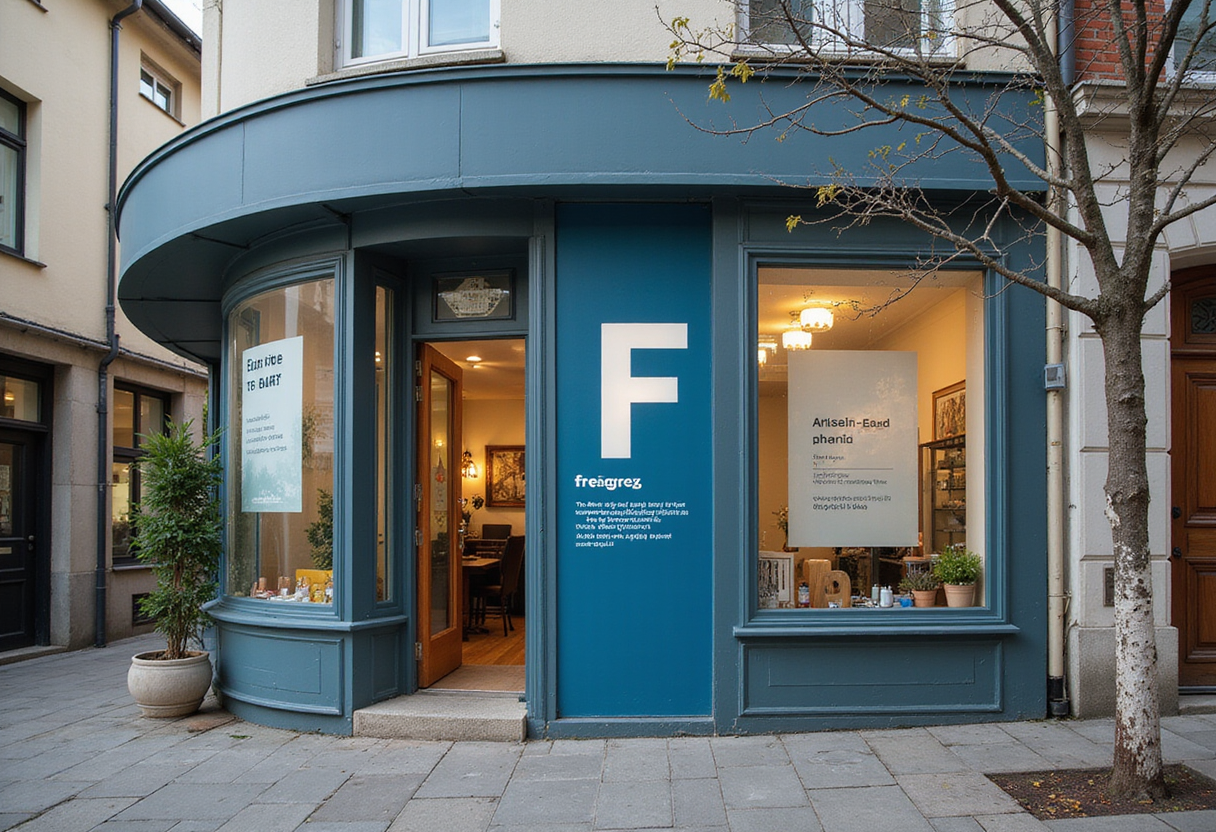
Swiss bag-maker Freitag will launch its four-piece "Reference" handbag line Thursday, marking the 20th anniversary of its Zurich flagship with an upscale pivot built around hand-selected, monochrome truck tarpaulins manufactured at European partner facilities.
The launch caps a milestone year for the 1993-founded brand, which confirmed details to The Fabric Brief. Each unit ships with a detachable repair kit cut from the same tarp — original lining and sewing thread included — so owners can mend the bag years after purchase.
What does upcycling cost Freitag?
Sourcing used truck tarpaulins runs roughly three times the cost of buying new raw material, co-founder Markus Freitag said. Tarps must be collected across Europe, quality-tested, hand-disassembled and washed before they reach production.
"Operating in an ecologically responsible way does put pressure on margins," Markus Freitag said. The labor-intensive process, however, yields bags with individual character rather than uniform output — a commercial differentiator the company leans on deliberately.
The brand frames its approach as "profit for purpose": "Economic health is the foundation to amplify our positive impact," Markus Freitag said.
Who is Reference for?
CEO Janine Weiz-Bühler positions the line as a premium expansion aimed at consumers who don't gravitate to Freitag's typically colorful, utilitarian look.
"The elevated, understated design language allows us to attract entirely new target audiences who value quiet quality and versatility in their daily lives," Weiz-Bühler said. She added: "This isn't a shift in our market positioning or a rebrand — rather, it expands our versatility."
Each bag is built in small series through European production partners.
What is the retail network?
Freitag operates 30 stores globally, concentrated in Europe and Asia, alongside roughly 200 retail partners and an online store. The Zurich flagship — 19 decommissioned freight containers stacked into a rust-streaked tower — opened in 2006, won permanent approval in 2014 and added a Repair Kiosk in 2025 that converts the site into a hub for repair and circular services.
"To this day it remains not only a bold architectural statement, but a tangible embodiment of our purpose: 'we think and act in cycles,'" Markus Freitag said.
How is Freitag tackling end-of-life?
The brand is developing a "circular tarp" with industry partners, designed to be recyclable once the bag reaches end of life. First prototypes are road-tested. Its Mono backpack, made from a single recyclable material, can be shredded back into polyamide-nylon granules.
The company's longer-term goal is to move from upcycling — which keeps existing material in use — into material circularity. Markus Freitag acknowledged structural hurdles: rental and repair are labor-intensive, while recycling depends on infrastructure and consumer behavior that don't yet exist at scale.
"We want to demonstrate that sustainable design solutions belong in every segment," Weiz-Bühler said.
What is the growth plan?
Freitag is not chasing unit volume. "Pure volume-driven growth definitely clashes with planetary limits," Markus Freitag said. Growth, he added, means "elevating our omnichannel distribution and expanding our global community to gain visibility for a good purpose, rather than just pushing more product."
Weiz-Bühler links the launch to a consumer mood hardened by Europe's hottest summer on record and skepticism toward greenwashing. "People are seeking out sustainability pioneers with authentic substance and experience," she said.
Whether small-series, premium-positioned upcycling can scale across Freitag's European partner network without further margin compression will test the brand's "profit for purpose" thesis in the quarters ahead.
via WWD (Source)
More from Elena Vasquez
Also on the board
- Weavabel Launches Closed-Loop Recycling System for Fashion Poly Bags
- Levi Strauss and M&S Launch Supplier Renewable Energy Program
- Bangladesh Apparel Sector Eyes Circular Production Shift
- Trump Tariff Plan Pressures Apparel, Electronics Margins
- ReHubs Names Béatrice Moureaux CEO to Break Recycling Deadlock