Swatch card No. SW-3491 · cut November 11, 2026
Supply Chain & SourcingMill spec card
Footwear Prices Track Toward Record Rise in 2026, FDRA Economist Says
October retail footwear prices hit a seasonal record, with a 2.1 percent six-month gain, and FDRA sees a record 2026 rise on higher import costs, at a slowing pace.
- Fiber
- Supply Chain & Sourcing
- Count
- 3 min read
- Cut
- Weight
- 605 words
Spec notes
- October retail footwear prices reached a seasonally adjusted record, including men's and women's categories.
- Footwear prices rose 2.1 percent over six months, the slowest increase in several months.
- FDRA chief economist Gary Raines says footwear prices remain on track for a record rise in 2026 on higher import costs.
- U.S. CPI rose 0.4 percent month over month in October, above the 0.3 percent economists expected.
- Core CPI rose 0.3 percent in October, matching September and August.
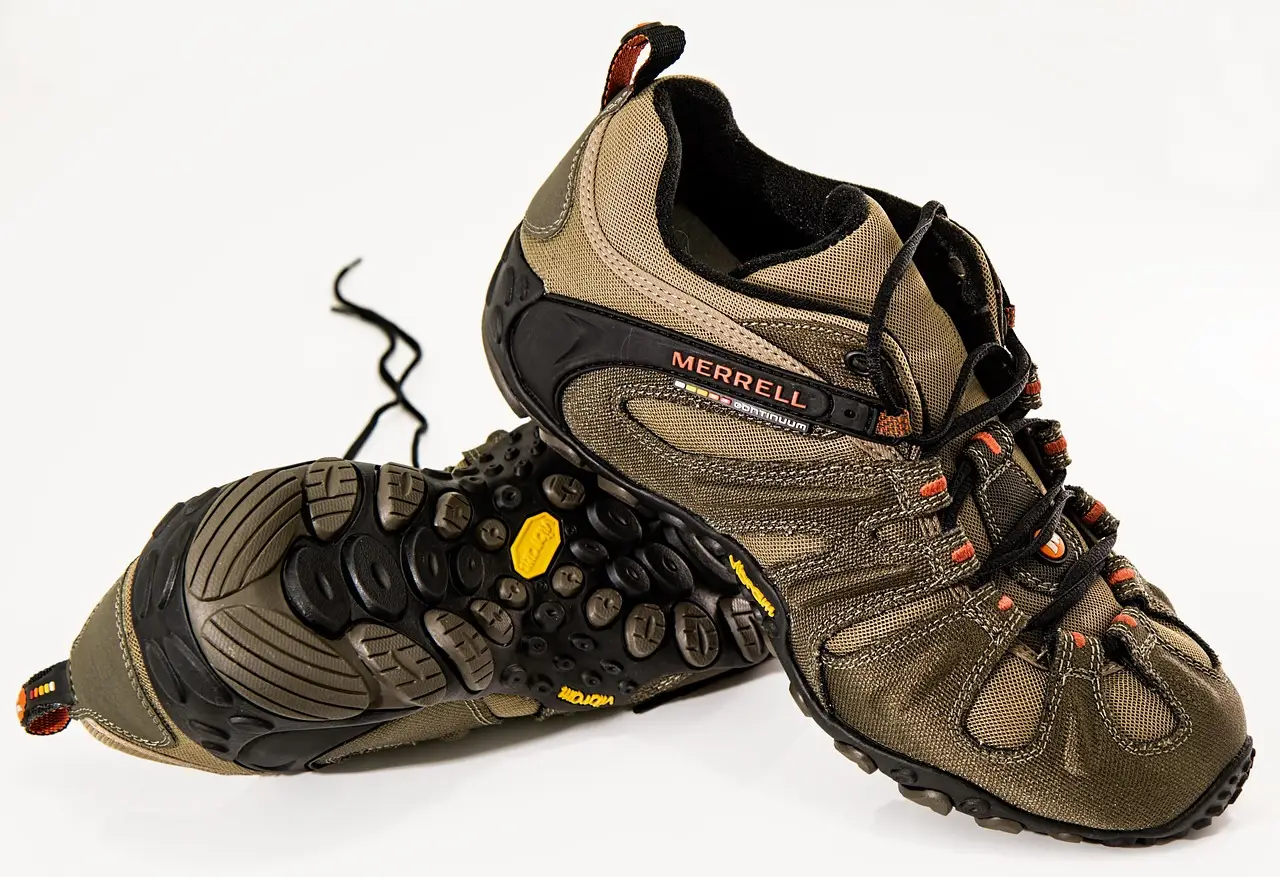
Retail footwear prices stretched to a seasonally adjusted record in October, and FDRA chief economist Gary Raines says the category remains on track for a record rise across 2026, driven by this year's higher import costs. That is a cost signal sourcing teams cannot ignore.
The Footwear Distributors and Retailers of America (FDRA), the U.S. industry trade body, reported that men's and women's footwear prices set records alongside the aggregate figure. Confirming import-cost pass-through at retail would require landed-cost data FDRA did not publish, but the direction is unambiguous.
What does the data actually show?
There is a catch. Year-over-year figures for October do not exist because last year's federal government shutdown disrupted the underlying data collection. The FDRA offered a workaround: compare against six months earlier as a proxy for annual inflation.
On that basis, footwear prices rose 2.1 percent from six months ago. The FDRA called it the slowest increase in a few months. That suggests year-over-year prices likely rose too, but at a decelerating rate. A proxy is not a measurement. The true annual rate could land either side of the estimate.
Raines told FN: "As we anticipated earlier, we have more early evidence that retail footwear prices are set to continue rising — albeit at a decelerating rate — as we head into 2027."
Every promise here carries a caveat. "More early evidence" is not a forecast revision. The deceleration, if sustained, would mark peak pricing pressure, not relief for buyers negotiating 2026 programs.
How does footwear compare with broader inflation?
The October footwear increase landed alongside a hotter-than-expected reading from the Bureau of Labor Statistics. The Consumer Price Index (CPI), a broad measure of goods and services costs across the U.S. economy, rose 0.4 percent month over month in October, after a 0.6 percent rise in September.
Economists had expected 0.3 percent. October came in below September, but still above consensus — a distinction that matters for interest-rate expectations and, by extension, consumer demand into next year.
Core CPI, which excludes volatile food and energy costs, rose 0.3 percent in October. That matches both September and August — three consecutive months of sticky underlying inflation, compared with footwear's 2.1 percent six-month gain.
What does this mean for sourcing decisions?
For brands and retailers, the numbers frame the pricing environment for 2026 line planning:
- Retail footwear prices are already at seasonal records in men's, women's and aggregate categories.
- The FDRA attributes the trajectory to higher import costs booked this year — costs now flowing through to shelf prices.
- The pace of increase is slowing (2.1 percent over six months, the weakest in several months), pointing to deceleration into 2027.
What the FDRA did not say matters as much. The release offers no category-level breakdown beyond men's and women's, no data on children's footwear, and no quantified link between specific tariff or freight costs and the October record. The import-cost attribution rests on the economist's reading, not a published pass-through model.
Sourcing managers should treat the 2026 record-rise call as a directional signal, not a rate commitment. A record rise at a decelerating pace still means higher costs than 2025, and buyers locking 2026 prices now face vendors armed with the same inflation data.
Raines's track record supports some confidence here: he flagged the continuing increases earlier, and October delivered. Whether the deceleration holds into 2027 will depend on import costs that have not yet fully worked through the pricing pipeline.
via WWD (Source)
More from Priya Raman
Show full bio
Correspondent covering people, launches and day-to-day practice in fashion industry as a trade and business at The Fabric Brief.
321 articles
Also on the board
- Semiconductor Imports Hit $90.5B, Dwarfs Fashion's $72.8B Spend
- Apparel Prices Up 3.4% in September, Outpacing Core Inflation
- Footwear Prices Hit Record in September, FDRA Chief Warns of 2027 Squeeze
- Oil and Freight Push Footwear Costs Toward a 2027 Margin Squeeze
- US Retail Sales Climb for 12th Straight Month to $560.8bn in September