Swatch card No. SW-9623 · cut October 30, 2026
Brands & Retail BusinessMill spec card
Footwear Prices Hit Record in September, FDRA Chief Warns of 2027 Squeeze
FDRA CEO Matt Priest said footwear prices hit a record in September, with fall 2027 product now in production carrying fully inflated input costs.
- Fiber
- Brands & Retail Business
- Count
- 3 min read
- Cut
- Weight
- 605 words
Spec notes
- Footwear prices hit a record in September, FDRA CEO Matt Priest said Thursday.
- FDRA projects a five percent shoe price spike this year on higher input costs.
- Fall 2027 product, hitting stores in late summer 2027, will carry fully elevated componentry costs.
- The US shoe sector is roughly a $125 billion industry at retail.
- An AlixPartners-FDRA July survey found 39 percent of consumers will cut pairs before switching to cheaper brands.
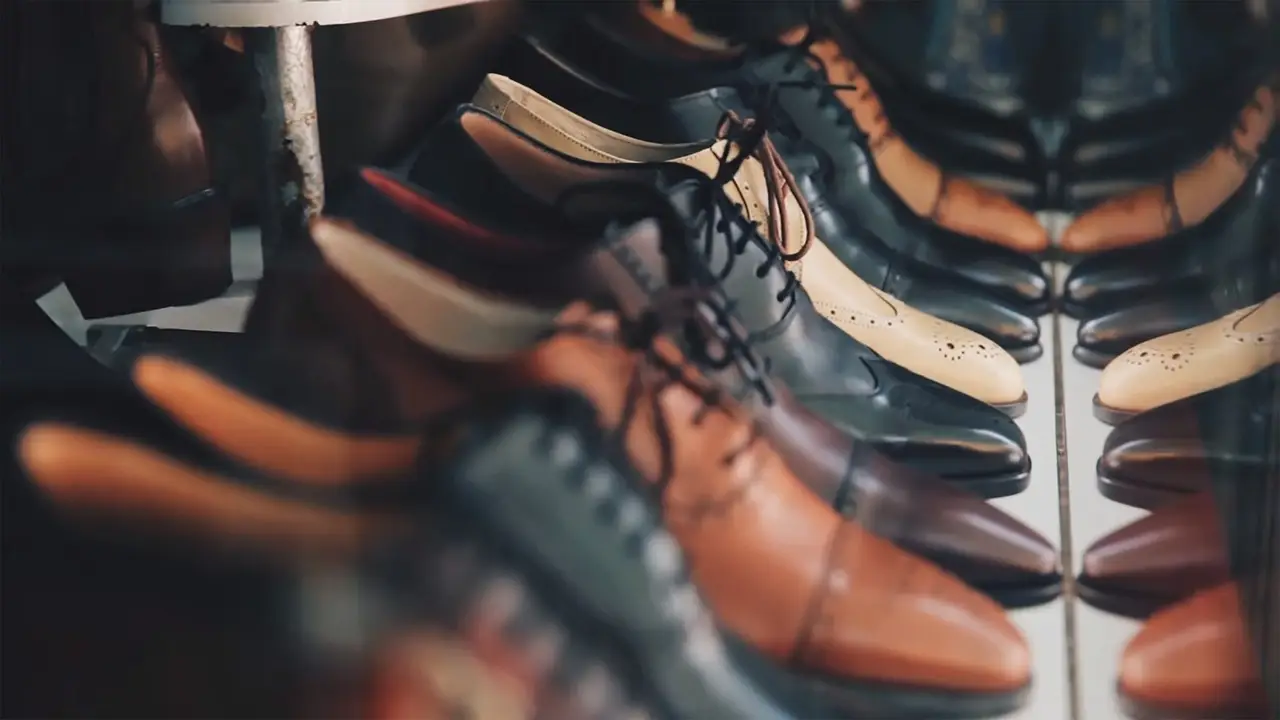
Footwear prices hit a record in September, Matt Priest, president and chief executive officer of the Footwear Distributors and Retailers of America, said Thursday at a press briefing. The milestone lands in a US shoe sector Priest sized at roughly $125 billion at retail, and it puts retailers on notice that inventory planning for the next two selling cycles will require sharper price-point discipline.
"Shoe stores are on a pace to have a great year for the decade," Priest said. "But we are selling less product."
That combination — record pricing with declining unit volumes — frames the core sourcing and merchandising question for brands and retailers: how long consumers will keep paying up before demand breaks. Priest said no one knows when that could stop.
What is driving the record pricing?
Oil is now feeding directly into footwear costs. Priest said oil prices are pushing up fuel costs for energy usage at factories and driving freight costs higher. On top of that, rubber and synthetic materials — core staples in sneaker production — carry elevated prices.
FDRA said this summer that shoe prices could spike five percent this year, due in part to higher input costs. Prices are already climbing, and consumers may face even higher prices next year.
The pipeline effect is the more consequential signal for sourcing teams. Priest said his contacts in shoe production report they have "sold through now all of the componentry that was [bought before prices became elevated]." Fall 2027 product now entering production, set to reach stores in late summer 2027, will carry the fully inflated input costs.
How are consumers already responding?
Behavior shifted this past summer, well before the 2027 cost wave arrives. Parents moved away from back-to-school promotion-driven buying toward footwear that spans multiple activities.
DSW said consumers this year gravitated toward versatile, wearable styles that work across a variety of school settings and activities. Matt McCabe, executive vice president and chief merchandising officer at Academy Sports + Outdoors, told Footwear News shoppers want "footwear that can be multipurpose."
McCabe noted parents already wear performance running shoes across activities — school drop-off, practice runs, training for road races and marathons. That mindset translates to kids wearing the same pair to school and then to practice without swapping shoes.
What does this mean for inventory strategy?
For retailers, the calculus cuts both ways. Selling shoes at higher prices supports margins, provided inventory sells through without heavy markdowns. The risk concentrates in unsold pairs forced onto clearance to make room for the next selling season — the scenario multipurpose buying behavior makes more likely if assortments are weighted toward single-use styles.
Retailers may need to become more strategic about which shoes they stock and in what volumes, favoring versatile styles that carry consumers across activities.
A July survey from AlixPartners conducted with FDRA found shoe executives already grappling with how to bridge cost cutting against consumer demands for quality. Executives recognize they cannot cheapen products to absorb costs, because brands would lose both the value argument and customer loyalty.
AlixPartners' Bryan Eshelman noted consumers would rather demand quality — even if it means buying fewer pairs — than switch to lower-priced shoes.
The survey quantified the stickiness of that preference: 53 percent of respondents said brand name drives purchases when trusted brands deliver on quality and durability, while 39 percent said they will cut pairs before switching to cheaper brands.
The confirmed data — record September pricing, a five percent projected spike this year, and componentry sold through ahead of fall 2027 production — points to at least two more years of elevated price realization before input costs potentially stabilize.
via WWD (Source)
More from Elena Vasquez
Show full bio
News editor covering money, funding and market shifts around fashion industry as a trade and business at The Fabric Brief.
279 articles
Also on the board
- Oil and Freight Push Footwear Costs Toward a 2027 Margin Squeeze
- Apparel Prices Up 3.4% in September, Outpacing Core Inflation
- Outdoor Unit Sales Fell 5.3% in Q2 as Prices, Not Demand, Prop Up Dollars
- Rising Tariffs Push Footwear Margins to a Tipping Point
- Semiconductor Imports Hit $90.5B, Dwarfs Fashion's $72.8B Spend