Swatch card No. SW-4231 · cut October 9, 2026
Textile InnovationMill spec card
Fibre2Fashion Spotlights Functional, Bio-Based Textile Innovation
Fibre2Fashion's 'Functional Fabrics and Bio-Based Materials: The Next Generation of Textile Innovation' pairs engineered performance with renewable feedstock substitution in a single sourcing workstream.
- Fiber
- Textile Innovation
- Count
- 3 min read
- Cut
- Weight
- 502 words
Spec notes
- Fibre2Fashion published a feature titled 'Functional Fabrics and Bio-Based Materials: The Next Generation of Textile Innovation'
- Feature pairs engineered performance and renewable feedstock substitution in a single procurement workstream
- Bio-based inputs typically price above commodity polyester, with variance tied to volume, fibre type and finishing route
- Cellulosic alternatives including lyocell, modal and closed-loop viscose have moved from pilot scale to multi-mill availability
- EU digital product passport requirements and revised textile strategy enforcement dates are upcoming compliance milestones for sourcing teams
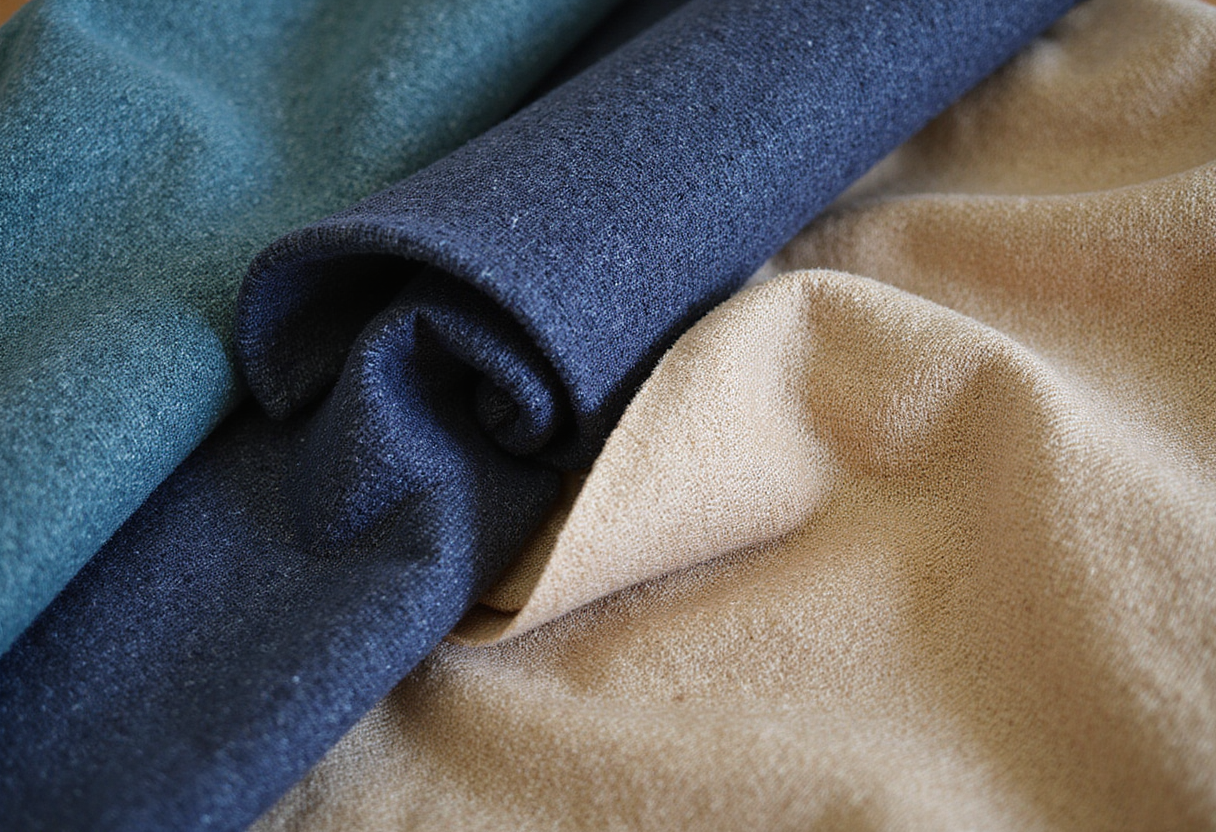
Fibre2Fashion has published a feature titled "Functional Fabrics and Bio-Based Materials: The Next Generation of Textile Innovation," a headline that captures the two procurement vectors now shaping apparel and home-textile sourcing briefs: engineered performance and renewable feedstock substitution.
What the headline signals for sourcing
The pairing of "functional" and "bio-based" in a single innovation brief is itself the commercial signal. Sourcing managers are no longer evaluating these inputs as separate workstreams. Performance claims — moisture management, thermal regulation, antimicrobial finishes, UV protection — increasingly come bundled with bio-based content claims, and buyers are asking mills to document both in the same tech sheet. The fabric data sheet now has to satisfy the merchandising team, the compliance team and the circularity lead at the same time, which is a structural shift in how mills structure their sales and lab operations.
Why the timing matters now
Cotton and polyester markets remain exposed to weather, energy and petrochemical spreads, and that volatility alone is enough to push sourcing teams toward diversified feedstock strategies. Cellulosic alternatives such as lyocell, modal and closed-loop viscose, alongside protein- and algae-derived fibres, have moved from pilot scale to multi-mill availability across Asia and Europe. At the same time, finishing chemistry for stretch, recovery and water repellence is migrating toward lower-impact synthetics. For sourcing teams, this compresses the qualification window: a fabric that satisfies a brand's hand-feel brief this season may fail the next round of restricted-substance and end-of-life criteria before the order ships twice.
What sourcing professionals now request from mills
Three asks are now standard in the RFQ:
- Validated functional claims backed by third-party test data, not marketing copy
- Mass-balance or chain-of-custody documentation for any bio-based feedstock claim
- LCA or comparable environmental product declaration data, requested at the yarn or fabric stage rather than at finished-garment level
How this changes lead time and cost
Bio-based inputs still carry a premium over commodity polyester in most categories, with quotes running above conventional equivalents depending on volume, fibre type and finishing route. Lead times for new bio-based SKUs remain longer than for established synthetics, particularly where feedstock supply is concentrated in a single region or a single licensor. The hedging logic for buyers is straightforward: lock multi-season contracts on the functional fabric now, and qualify a second-source bio-based option in parallel to keep optionality open through the next compliance cycle.
What to watch next
The Fibre2Fashion feature lands as several EU regulatory milestones approach, including digital product passport requirements and revised textile strategy enforcement dates. Brands that have already mapped functional and bio-based claims to specific mill partners will enter those compliance windows with cleaner data and shorter approval cycles. Brands that have treated the two as marketing categories rather than sourcing categories will face a heavier documentation load, longer approval cycles and a tougher conversation with retail buyers who are starting to ask where the data lives.
via Google News: Textile innovation & smart textiles (Source)
More from Tom Whitfield
Show full bio
Market editor covering marketplaces and e-commerce at The Fabric Brief.
74 articles
Also on the board
- Nike, Patagonia, Lululemon Join New Alliance on Microfibre Pollution
- Nature Paper Signals Scalable Route to Stretchable E-Fibres
- China's Textile Innovation Drives Shift Toward All-Day Sportswear
- Sappi Signs On to Global Programme to Purge Harmful Chemicals
- Lycra Hits Commercial Scale on 70% Plant-Based Spandex, Cuts Carbon 45%