Swatch card No. SW-6809 · cut October 30, 2026
Brands & Retail BusinessMill spec card
Fashion Store Break-Even in 3-6 Months, Full Payback in 18-24
Retail operators set 3-6 month operating break-even and 18-24 month payback targets for fashion stores, with Tier 2 and 3 locations recovering capital in 12-18 months.
- Fiber
- Brands & Retail Business
- Count
- 4 min read
- Cut
- Weight
- 808 words
Spec notes
- Operating break-even expected within 3-6 months; full capital payback in 18-24 months.
- Tier 2 and Tier 3 high-street stores recover capital in 12-18 months; Tier 1 metro locations take 24-30 months.
- Vector Consulting Group found 24% of on-shelf apparel and footwear products sit beyond their optimal selling window.
- Target ROI of 20-30% per annum depending on format and location, per Banana Club founder Neel Bafna.
- Benchmarks include ₹10,000-₹12,000 sales per sq. ft. annually and rent at 12-15% of sales or lower.
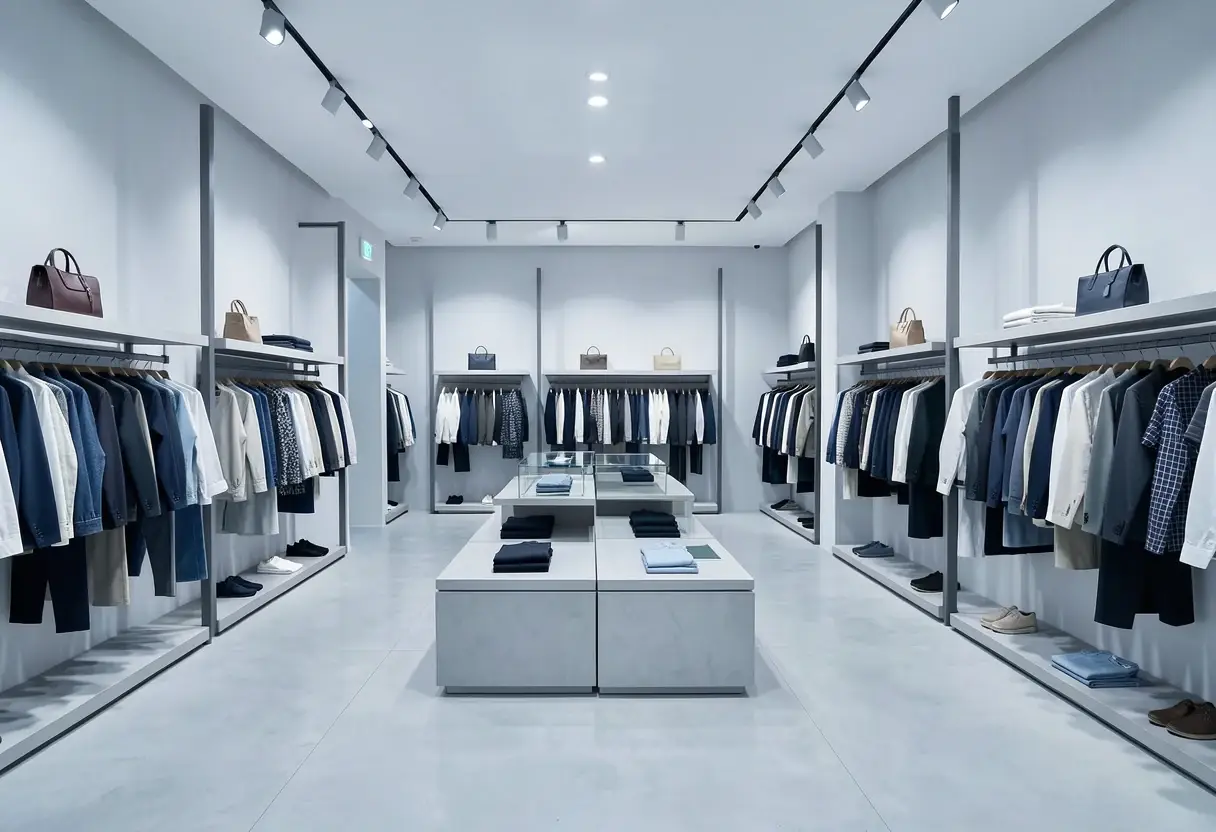
A profitable fashion store should reach operating break-even within three to six months, while full recovery of setup capital takes 18 to 24 months, according to Sandeep Kapoor, CMD of ethnic wear brand SHR Lifestyle, which operates more than 120 stores across India and international markets including Dubai, Sharjah, Abu Dhabi, Riyadh and Singapore.
Kapoor set the benchmark bluntly: "A healthy fashion store today should hit operating break-even, meaning EBITDA positive, somewhere between 3 to 6 months. Full capital payback, that means recovering everything spent on interiors, lease and setup, should happen within 18 to 24 months."
The distinction matters. A store can turn EBITDA-positive within months yet still need considerably longer to repay the money spent on interiors, lease deposits and fit-out. With upfront costs for inventory, rentals, manpower and marketing rising, retailers face tighter discipline on how quickly each new outlet must become commercially viable.
How does location change the payback equation?
Geography drives the recovery timeline. High-street stores in Tier 2 and Tier 3 cities recover the fastest, usually in 12 to 18 months, because lower rentals and fit-out costs reduce the capital at risk. Prime metro malls and Tier 1 high streets take 24 to 30 months, even though footfall and sales start strong from day one, Kapoor said.
Mall locations offer consistent footfall and a defined customer profile, but carry higher rental and CAM costs. Emerging catchments take longer to build awareness. Store size, Kapoor and other operators argue, should follow productivity metrics — sales per sq. ft., store-level contribution, inventory turns, rent-to-sales, gross margin and total capex — rather than the space simply available.
What should the first six months validate?
Operators treat the opening period as a learning phase, not a test of mature-store performance. Launch promotions and curiosity inflate early footfall, and the underlying location performance only becomes clear as that effect fades.
Neel Bafna, founder of men's fashion brand Banana Club, which runs 22 stores across India, said: "The first six months are really about validating the location. We closely track footfall, conversion, average transaction value, units per transaction and sales per sq. ft., while also keeping a close eye on product mix, gross margin, repeat customers and inventory ageing."
Trend beats absolute number at this stage. A store that opens below potential but improves consistently can prove healthier than one that launches strongly and then declines.
When do unit economics come into focus?
From months six to 12, attention shifts to month-on-month sales growth, gross margin, store contribution, inventory turns, rent-to-sales and markdown dependency. A recent knowledge report by Vector Consulting Group found that 24% of on-shelf apparel and footwear products remain beyond their optimal selling window — a quiet erosion of store productivity through ageing stock and discounting.
Reference benchmarks, format-dependent, include annual sales productivity of roughly ₹10,000–₹12,000 per sq. ft., rent at approximately 12–15% of sales or lower, and a high share of full-price sell-through.
By months 12 to 18, capital efficiency decides whether the model can scale. Revenue alone does not justify further investment; a high-sales outlet can still return weakly if capex or occupancy costs run unsustainable. The ultimate test is replicability across comparable catchments.
"One should target to achieve an ROI in the range of approximately 20–30% pa, depending on the format and location. However, beyond the performance of an individual store, the most important factor for us is replicability," Bafna said.
When should a retailer intervene or exit?
Early signals appear fast. "The first 60 to 90 days tell you most of what you need to know. A store showing a conversion rate above 25%, strong cross-selling and healthy organic footfall without discount boards doing all the work outside, is a store that's going to do well," Kapoor said.
Strong traffic with weak conversion points to assortment, pricing, merchandising or staff issues — fixable problems. Structural issues such as poor catchment, low visibility or rental structures incompatible with local spending power resist correction. A practical framework: review assortment, pricing, sizes, colours and marketing at the 90-day mark if sales run materially below plan; conduct a deeper financial review at six months, including lease renegotiation or footprint adjustment; and consider relocation, downsizing or exit if the outlet still loses money at 12 months without a credible path to profitability.
"Good retail management is also about knowing when to exit and being willing to take a tough call when the economics are structurally not working rather than continuing to put capital and management bandwidth into a store simply because we have already invested in it," Bafna emphasised. Operators building networks into 2025 will judge each outlet on one measure: whether it converts space, inventory and invested capital into sustainable returns.
via Apparel Resources (Source)
More from Rebecca Stone
Show full bio
Staff writer covering people, launches and day-to-day practice in fashion industry as a trade and business at The Fabric Brief.
244 articles
Also on the board
- Mall Retail Leasing Falls 38% in Q3 Across India's Top 8 Cities
- Jaipur Kurti Opens Four Stores in One Day Under Project 50 Push
- Sai Silks Posts Rs 434 Cr Q2 FY27 Turnover, Down 2.25% YoY
- Fashion GMV Climbs 22–25% in First Two Days of India Festive Sales
- Target Trims Apparel Lead Times to Chase Viral Sales Cycles