Swatch card · cut November 28, 2026
Sustainability & ComplianceMill spec card
EU 2030 Textile Vision Puts Sri Lanka's Apparel Exporters on Notice
The EU's 2030 textile vision signals stricter durability, repairability and transparency expectations for Sri Lankan apparel exporters, with 5 million tonnes of clothing discarded in the EU each year.
- Fiber
- Sustainability & Compliance
- Count
- 2 min read
- Cut
- Weight
- 398 words
Spec notes
- Around 5 million tonnes of clothing are discarded in the EU each year, about 12 kg per person.
- The EU 2030 vision targets durable, repairable and recyclable textiles with more recycled fibers and fewer hazardous substances.
- The Commission set six priorities including transparency of claims, microplastic reduction and curbing destruction of unsold goods.
- The vision introduces no immediate import restrictions but signals future EU market requirements.
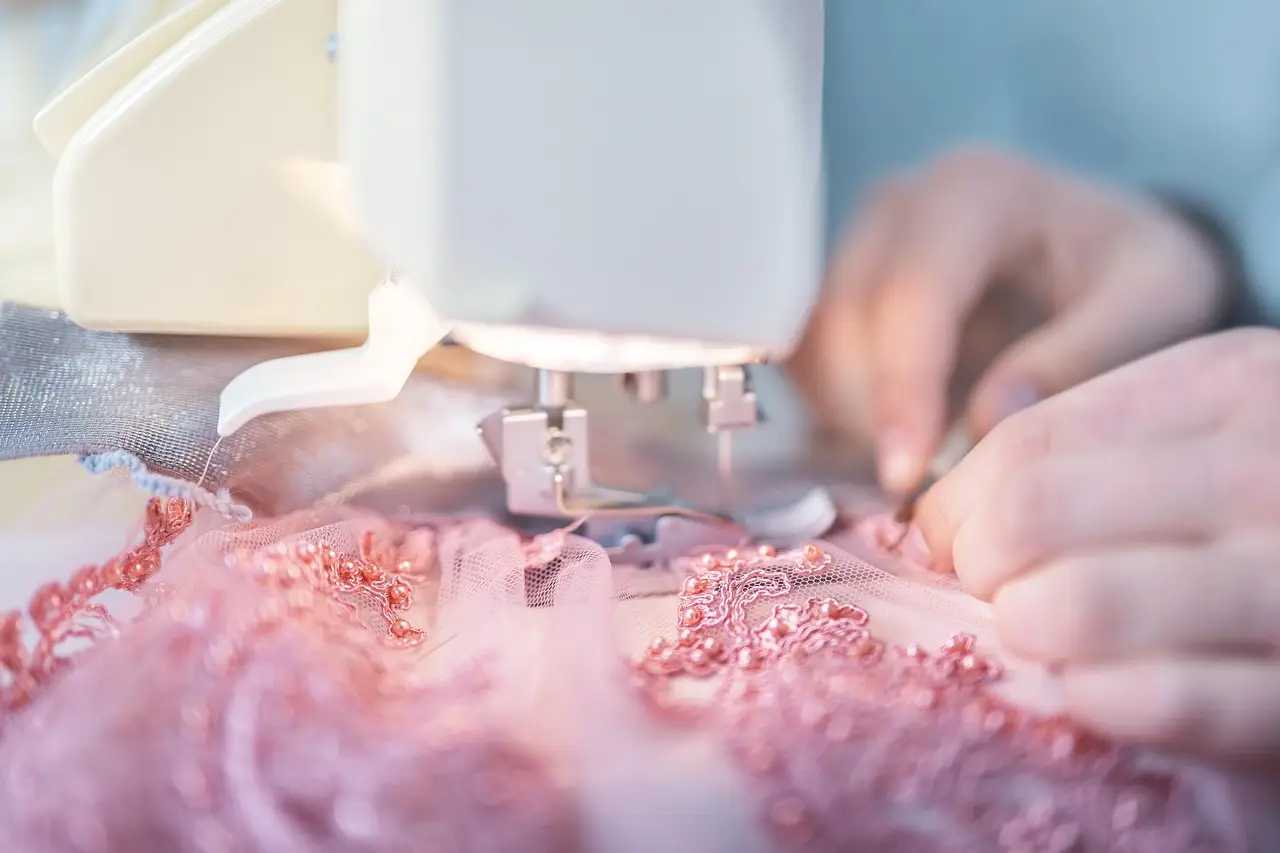
The European Commission counts roughly 5 million tonnes of clothing discarded across the EU every year — about 12 kg per person annually — and its 2030 textile vision now points directly at exporters such as Sri Lanka's apparel manufacturers to help cut that figure.
The Commission's strategy sets a clear direction for the bloc's single market. Textile products sold in the EU should become more durable, repairable and recyclable. The plan promotes greater use of recycled fibers and reduced use of hazardous substances in production.
For Sri Lankan apparel exporters, who rely heavily on European markets, the stakes are commercial rather than rhetorical. The 2030 vision does not introduce immediate import restrictions. It does, however, signal the direction of future EU market requirements, and sustainability performance and material transparency are likely to weigh increasingly in brand sourcing decisions.
What are the EU's six priorities?
The Commission has identified six key priorities to transform the textile sector:
- improving product durability and repairability
- increasing transparency in sustainability claims
- expanding textile recycling and secondhand markets
- reducing microplastic pollution
- preventing the destruction of unsold and returned products
- limiting textile waste exports outside the EU
Each priority carries direct implications for factory practice in Sri Lanka. Manufacturers may need to review production processes, raw material sourcing and product designs to meet evolving expectations. Greater attention will fall on recycled materials, chemical management, product traceability and waste reduction along the supply chain.
Does the vision restrict imports today?
No. The 2030 vision sets no immediate import restrictions, and no compliance deadline has been attached to the priorities in the source material. That distinction matters for sourcing teams weighing capital allocation: the signal is directional, not regulatory, at this stage.
The shift nonetheless rewards early movers. For Sri Lanka's apparel exporters, investment in circular production, resource efficiency and transparent supply chains could help maintain access to European markets as expectations tighten.
The Commission's framing also marks a change in where waste is addressed. The growing importance falls on managing textile waste at the production stage, rather than relying only on disposal and recycling after products reach the end of their useful life.
Sri Lankan suppliers that align durability, recycled content and traceability capabilities with the EU's six priorities before they harden into formal market requirements are best placed to hold and win European orders as the 2030 horizon approaches.
via textiletoday.com.bd (Source)
More from Rebecca Stone
Show full bio
Staff writer covering people, launches and day-to-day practice in fashion industry as a trade and business at The Fabric Brief.
344 articles
Also on the board
- Sri Lankan president meets apparel leaders on sector challenges
- Fibre2Fashion Asks Whether Sri Lankan Apparel Has Found Its Reset
- Sri Lanka Apparel Sector Flags GSP+ Risk, JAAF Tells EU
- adidas, H&M, Inditex and BESTSELLER Launch Apparel Recovery Coalition
- Bangladesh Apparel Sector Eyes Circular Production Shift