Swatch card · cut November 28, 2026
Apparel ManufacturingMill spec card
Dürkopp Adler plants Bangladesh flag with office, showroom and training push
Dürkopp Adler inaugurated a Bangladesh subsidiary and showroom on 26 November 2026, betting local technical support speeds automation adoption among RMG makers.
- Fiber
- Apparel Manufacturing
- Count
- 3 min read
- Cut
- Weight
- 519 words
Spec notes
- Dürkopp Adler opened a Bangladesh office and showroom on 26 November 2026 via subsidiary Dürkopp Adler Bangladesh Ltd.
- The Bielefeld company, founded in 1860, now operates through a local entity offering machinery, consultancy and after-sales service.
- Showroom displays include the 1050 pattern stitcher, 650 sleeve-setting machine and 680 shoulder-pad workstation.
- A joint technical training programme for factory technicians is planned, with BUFT requesting seats in the January cohort.
- Management cites automation, AI-assisted processes and digital solutions as the expansion's next phase.
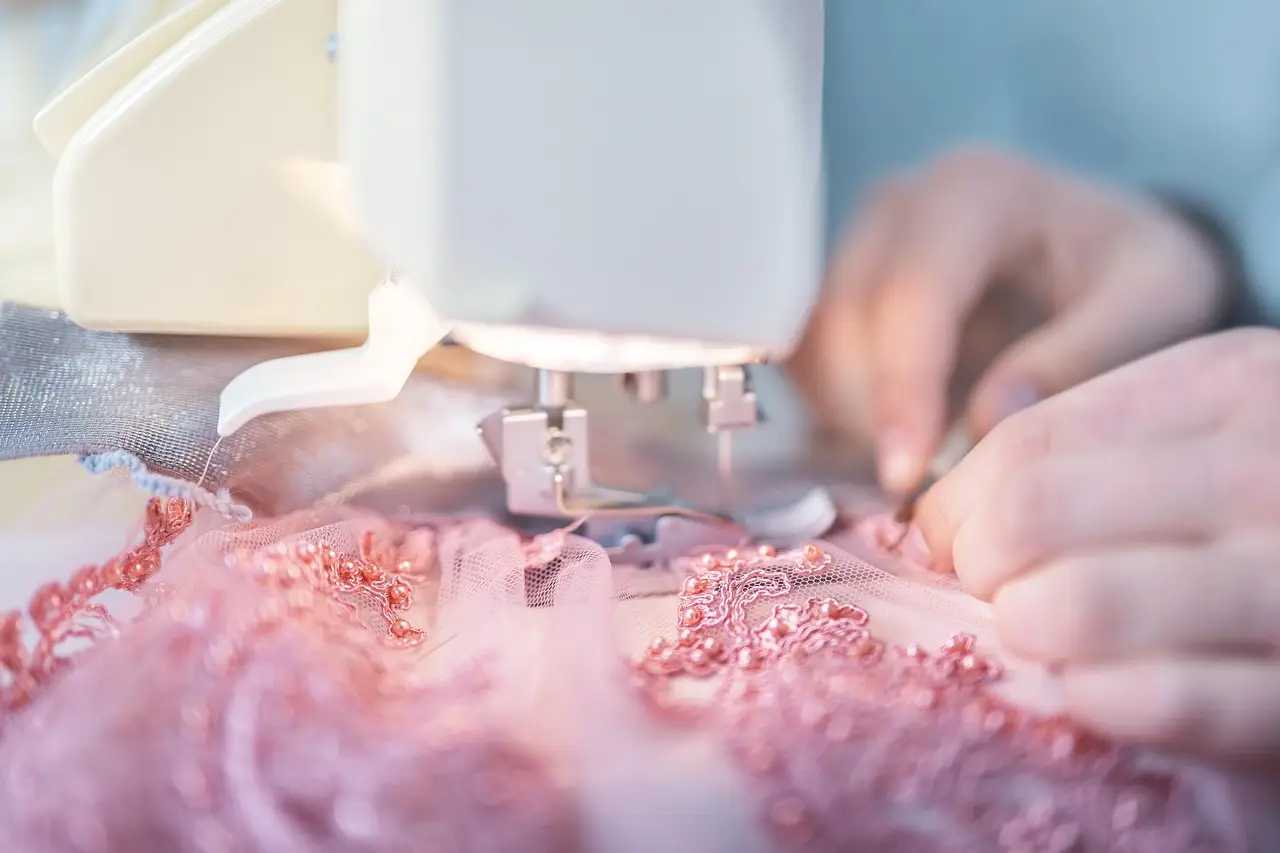
Dürkopp Adler opened a direct Bangladesh office and showroom on 26 November 2026, shifting from distributor-led sales to a local subsidiary in one of the world's largest apparel manufacturing markets. The entity, Dürkopp Adler Bangladesh Ltd., will supply specialized sewing machinery, automation solutions, technical consultancy and after-sales service. The release names no revenue targets and no headcount. Treat the commitment as an intention, not a result.
For sourcing managers, the shift matters on one axis: lead time on technical support. Bernd Brauer, Deputy General Manager, called the opening the culmination of several years of planning and said the subsidiary would help the company "understand customer requirements, respond faster and provide direct technical assistance." He said customers could test machines firsthand at the showroom, backed by a local service team. Faster response is a claim the first service calls will test.
What can buyers actually validate there?
The showroom displays three machines aimed at structured garments — the 1050 pattern stitcher, the 650 sleeve-setting machine and the 680 workstation for shoulder pads and body lining. That portfolio points squarely at jackets, blazers and formalwear, categories where Bangladesh is pushing diversification from basic knitwear. Management said the showroom lets customers test and validate technology before installation, reducing uncertainty in capital decisions — a direct answer to the risk that automation investments underperform on local production lines.
Who runs the operation?
- Buytul Asgur serves as General Manager of Dürkopp Adler Bangladesh Ltd.
- Mohammad Arif, Assistant Manager, announced a joint technical training programme for factory technicians and maintenance professionals, replacing the earlier customer-specific sessions.
- Sebastian Kinnius, Sales Director, positioned the country as a key growth market and cited support from colleagues in India for regional operations.
Kinnius outlined plans to expand automation, AI-assisted processes, digital solutions and technical consultancy to meet changing production and export requirements. No timelines, prices or capacity figures accompanied the statement.
Is the training pipeline credible?
Some external validation exists. Prof. Dr. Engr. Mohammed Rubaiyat Chowdhury, Dean of the Faculty of Apparel Studies at BGMEA University of Fashion & Technology (BUFT), asked for BUFT students and selected faculty to join the January training programme. He cited Dürkopp Adler's engineering record since 1860 and argued that practical exposure to industrial sewing automation benefits students and teachers alike. The company has not confirmed whether it accepted the request.
Distribution partners spoke at the inauguration: Abdul Faiz Azad of Confidence Exim International, Didarul Hassan of DAD International, Mahmudul Alam Chowdhury of MAC International and Sri Ramaswamy of VEIT Asia Pte. Ltd., who framed international machinery makers as a channel for technical knowledge transfer into Bangladesh's garment industry. Partner speeches at openings are endorsements by definition; the competitive test comes later.
The company, founded in Bielefeld in 1860, holds more than 165 years in industrial sewing, automation and digital production technologies. For Bangladeshi manufacturers facing rising production costs and price pressure from competing origins, the new setup offers a way to evaluate machinery and build internal capability before committing capital. Whether the subsidiary converts showroom visits into factory-floor automation will show in next year's order books.
via textiletoday.com.bd (Source)
More from Priya Raman
Show full bio
Correspondent covering people, launches and day-to-day practice in fashion industry as a trade and business at The Fabric Brief.
373 articles
Also on the board
- Bangladesh Apparel Sector Maps Industry Posture Under New Government
- STCH Bets on AI and a Factory OS to Modernise Apparel Manufacturing
- Bangladesh Garment Slump Triggers Mass Layoffs, Factory Closures
- Textile Innovation Exchange Targets Bangladesh Textile, Apparel Acceleration
- BKMEA, TIE Host Seminar Pitching Innovation as Bangladesh Knitwear Margin Lever