Swatch card No. SW-8205 · cut October 19, 2026
Brands & Retail BusinessMill spec card
Durango Licenses Apparel and Leather Goods in Lifestyle Push
Rocky Brands' Durango signs NYC Alliance for apparel and Designer Fashion Group for bags through 2029, with men's apparel first to market in March.
- Fiber
- Brands & Retail Business
- Count
- 3 min read
- Cut
- Weight
- 563 words
Spec notes
- Both licensing agreements run through the end of 2029.
- NYC Alliance license covers men's and women's apparel; men's launches in March, women's in the fall.
- Designer Fashion Group will launch bags and small leather goods in Q2 next year.
- Byron Wortham is senior vice president of Durango, a division of Rocky Brands Inc.
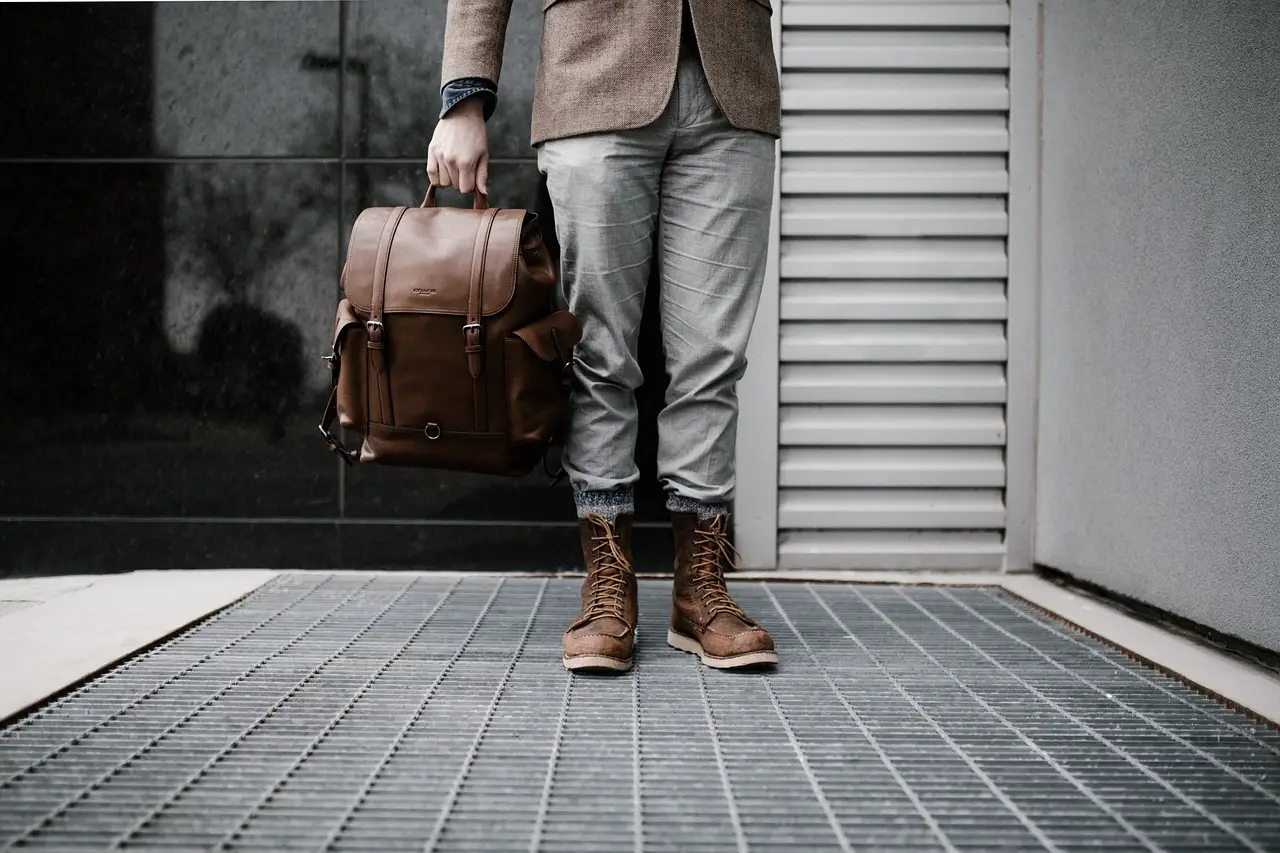
Durango, the Western footwear brand owned by Rocky Brands Inc., has signed two licensing agreements to enter apparel, bags and small leather goods, with both deals running through the end of 2029.
The first license, with NYC Alliance, covers men's and women's apparel and wearable accessories. Men's apparel is expected to launch in March. Women's follows in the fall.
The second, with Designer Fashion Group, covers men's and women's bags and small leather goods slated for a second-quarter launch next year. The category list is broad: handbags, fashion backpacks, hobos, totes, crossbody bags, sling bags, satchels, duffel bags and boot bags, plus belts, wallets, wristlets, passport cases and key chains.
Both agreements are licensing deals, not owned production. That structure shifts manufacturing and retail development to the partners while Durango collects royalties and keeps its internal team on footwear.
What are the partners saying?
Zina Zegans, president of licensing and branding at NYC Alliance, framed the deal as brand-building rather than distribution alone.
"NYC Alliance is proud to partner with Durango, a brand with a strong heritage, authenticity and consumer recognition," Zegans said. "We see an exciting opportunity to build on that equity by expanding into apparel and further growing Durango's presence as a lifestyle brand."
Nick Sawhney, executive director of Designer Fashion Group, struck a similar note on craftsmanship.
"For us, this licensing partnership is more than a commercial opportunity; it is the coming together of two organizations with complementary strengths," Sawhney said. "Durango contributes a rich heritage and strong brand recognition, while Designer Fashion Group contributes decades of expertise in transforming leather craftsmanship into successful consumer products."
He added that the goal is to establish Durango as a leading name in handbags, belts and small leather goods while preserving the brand's authenticity.
What does this change for sourcing?
Byron Wortham, senior vice president of Durango, said the model lets the brand widen its retail footprint without diverting its core team.
"Working with experienced licensing partners allows us to expand our product offering, create new retail relationships and introduce Durango to customers beyond footwear, while allowing our team to remain focused on its core footwear business," Wortham said.
Notably absent from the announcement: royalty terms, volume targets and named factory or sourcing base. Neither the apparel nor the leather goods release specifies where production will sit or what compliance standards the licensees must meet — details sourcing teams will want before treating the 2029 horizon as committed volume.
The timelines are also staggered. Men's apparel lands first in March, roughly three months ahead of women's fall delivery. Leather goods arrive last, in the second quarter of next year.
Why licensing, and why now?
The stated intent is complementarity. Durango wants products that surround its established Western footwear business rather than compete with it, and licensing is the cheapest route to that shelf space because the licensee funds design, production and inventory.
For vendors, the move signals two new potential customer sets — one in apparel, one in leather goods — under a brand better known for boots. Whether those translate into orders depends on the licensees' factory choices, which remain undisclosed.
Expect the first test at men's apparel launch in March; sell-through there will indicate whether the fall women's drop and next year's leather goods rollout stay on schedule.
via WWD (Source)
More from Priya Raman
Show full bio
Correspondent covering people, launches and day-to-day practice in fashion industry as a trade and business at The Fabric Brief.
249 articles
Also on the board
- Nike Signs New Partnerships for Circular Footwear and Apparel Making
- NY Fashion Tech Lab Spotlights Female-Led Startups per WWD
- NY Fashion Tech Lab Debuts Largest-Ever Cohort at NYFW
- PDS and Busana Apparel Team Up on Next-Gen Apparel Manufacturing
- US Apparel Sourcing Tilts Toward Fewer, Larger Strategic Vendors