Swatch card No. SW-5690 · cut October 10, 2026
Supply Chain & SourcingMill spec card
BCI: 6.1m Tonnes of Licensed Cotton, Fertiliser and Pesticide Cuts
BCI's first impact report in five years covers nine years of data, showing 69% of farmers cut synthetic fertiliser use while 1.4m produced 6.1m tonnes of licensed cotton — nearly a quarter of global supply.
- Fiber
- Supply Chain & Sourcing
- Count
- 3 min read
- Cut
- Weight
- 535 words
Spec notes
- 1.4 million BCI farmers produced 6.1 million tonnes of licensed cotton in 2024-25, equal to nearly a quarter of global supply
- 69% of participating farmers reduced synthetic nitrogen fertiliser use per kilogram of cotton over nine years
- Pesticide application fell 40% year-on-year and irrigation water use dropped 43% in the 2024-25 season
- BCI's Growth and Innovation Fund allocated €18.5m in 2024-25, with €17.8m — 96% — directed to smallholders
- Women's share of field facilitation and producer unit roles rose to 17%, up from 9% five years ago
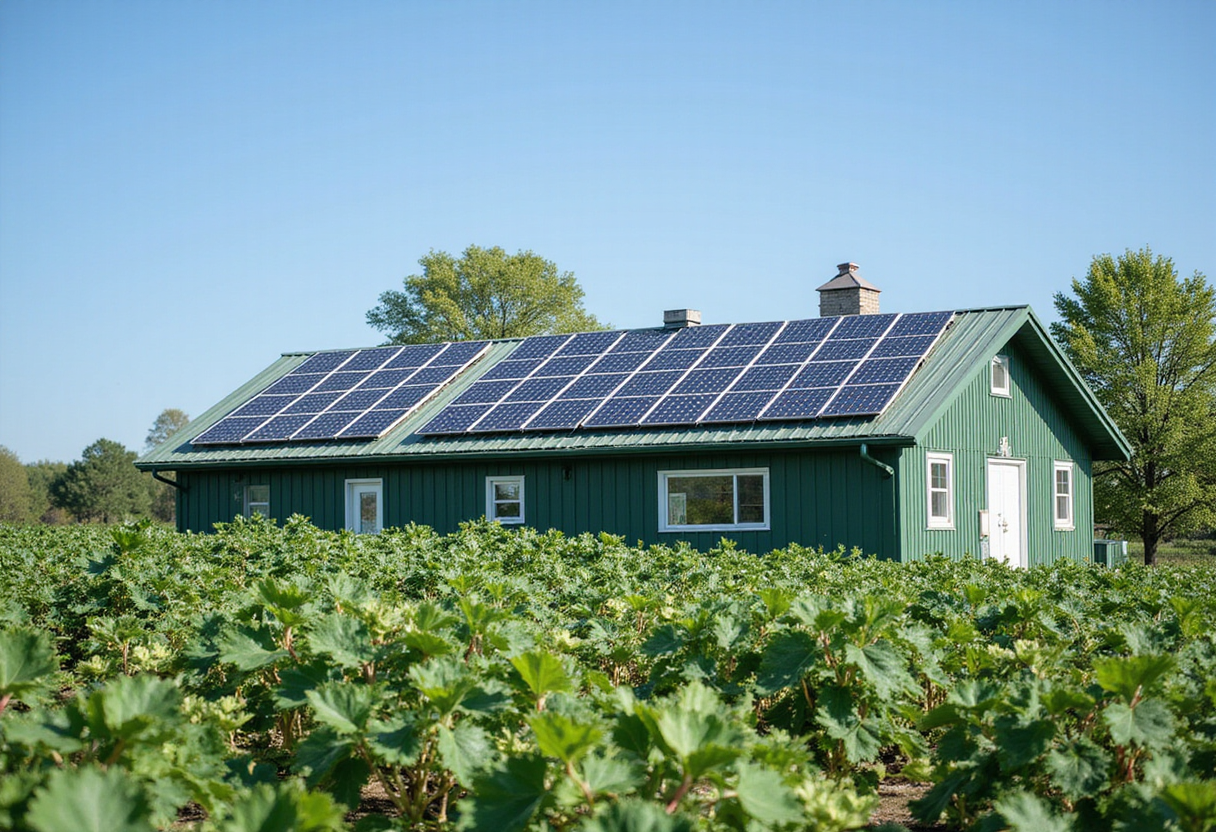
The Better Cotton Initiative (BCI) licensed 6.1 million tonnes of cotton in the 2024-25 season, produced by 1.4 million farmers and representing nearly a quarter of global production, according to the organisation's first impact report in five years, released on World Cotton Day.
The report draws on nine years of field-level data and connects that volume to measured environmental and income outcomes across the BCI grower base. "Data and evidence represent the most important currency with which we operate," BCI chief executive Nick Weatherill said. He described evidence as the foundation for "strengthening our impact at field level and building the trust and confidence of the market and stakeholders in BCI cotton."
What do the multi-year numbers show?
Across the nine-year dataset, 69 percent of farmers participating in BCI programmes reduced synthetic nitrogen fertiliser use per kilogram of cotton, while 65 percent lowered synthetic pesticide application rates and 54 percent achieved a drop in carbon emissions per kilogram produced.
For the 2024-25 season specifically:
- 61 percent of BCI farmers cut synthetic nitrogen use versus the previous year
- Pesticide application fell 40 percent year-on-year
- Irrigation water use dropped 43 percent
- Overall carbon footprints per kilogram declined by nearly half
On income, 59 percent of smallholder BCI farmers reported improved net incomes over the period, and 52 percent of fully irrigated farms reduced water use per kilogram of cotton produced.
Where do the gaps remain?
Results on sustainable crop protection landed unevenly. Gains in smallholder settings "are not yet consistently reflected in larger-scale farming," the report notes. BCI acknowledges that the complexity of driving field-level change across disparate farming models continues to present challenges — a finding with direct implications for brands whose supply base leans toward mid- and large-scale operations.
Workforce composition moved in the opposite direction. Women's participation in cotton management roles nearly doubled, with women now accounting for 17 percent of field facilitation and producer unit positions worldwide, up from 9 percent five years ago.
Where is the programme spending its money?
BCI's Growth and Innovation Fund deployed €18.5 million supporting cotton farmers in 2024-25. Of that, €17.8 million — 96 percent — went to smallholders, reaching 1.5 million field workers. Iain Gardiner, BCI's impact and development senior director, called the report "an unprecedented and transformative exercise" providing not only outcomes but "guidance for scalable action and data-driven improvement" — language that positions the document as an ongoing benchmark for member brands.
What does this mean for sourcing decisions?
For brands and retailers running Better Cotton-linked supply chains, the 2024-25 report supplies nine years of audited field-level performance under a single methodology. Sourcing teams now have quantitative baselines for fertiliser, pesticide, water and carbon metrics at the grower level. Coverage of nearly a quarter of global production across 1.4 million enrolled farmers gives BCI a scale base that shapes the licence volumes and pricing leverage the organisation can offer member brands. How the next reporting cycle converts smallholder gains into consistent improvements on larger farms will determine how members frame their field claims with downstream auditors and retailers over the coming sourcing season.
via Just Style (Source)
More from Elena Vasquez
Also on the board
- US Cotton Cuts Soil Loss 45%, Positions Fiber for Brand Sourcing
- Kasturi Cotton Bharat Certification Climbs to 213,000 Bales
- Solidaridad's BMI Program Delivers 17-Month Payback for Bangladesh Mills
- Texprocil Targets Kasturi Cotton Quality Lift Over Two Years
- Avalo, World Collective Open 710-Yard Demand Pooling Round