Swatch card No. SW-7036 · cut November 13, 2026
Textile InnovationMill spec card
Bangladesh dyehouses urged to cut 250–300L water use per kg
Bangladesh textile experts proposed low-water dyeing and digital printing at a 2026 expo seminar, without disclosing factory investments, payback periods or capacity additions.
- Fiber
- Textile Innovation
- Count
- 4 min read
- Cut
- Weight
- 793 words
Spec notes
- Bangladesh mills use 250–300 litres of water per kilogram of fabric; global best practice is 50 litres or less.
- The wet-processing sector consumes about 1,500 billion litres of water and 1.75 million tons of chemicals annually.
- Annual chemical consumption is valued at nearly $2 billion.
- Dyeing and printing contribute up to 20% of global industrial water pollution, according to the World Bank.
- Digital inkjet printing was projected to reach 10% of the global printed-textiles market by 2026, from 6% in 2019.
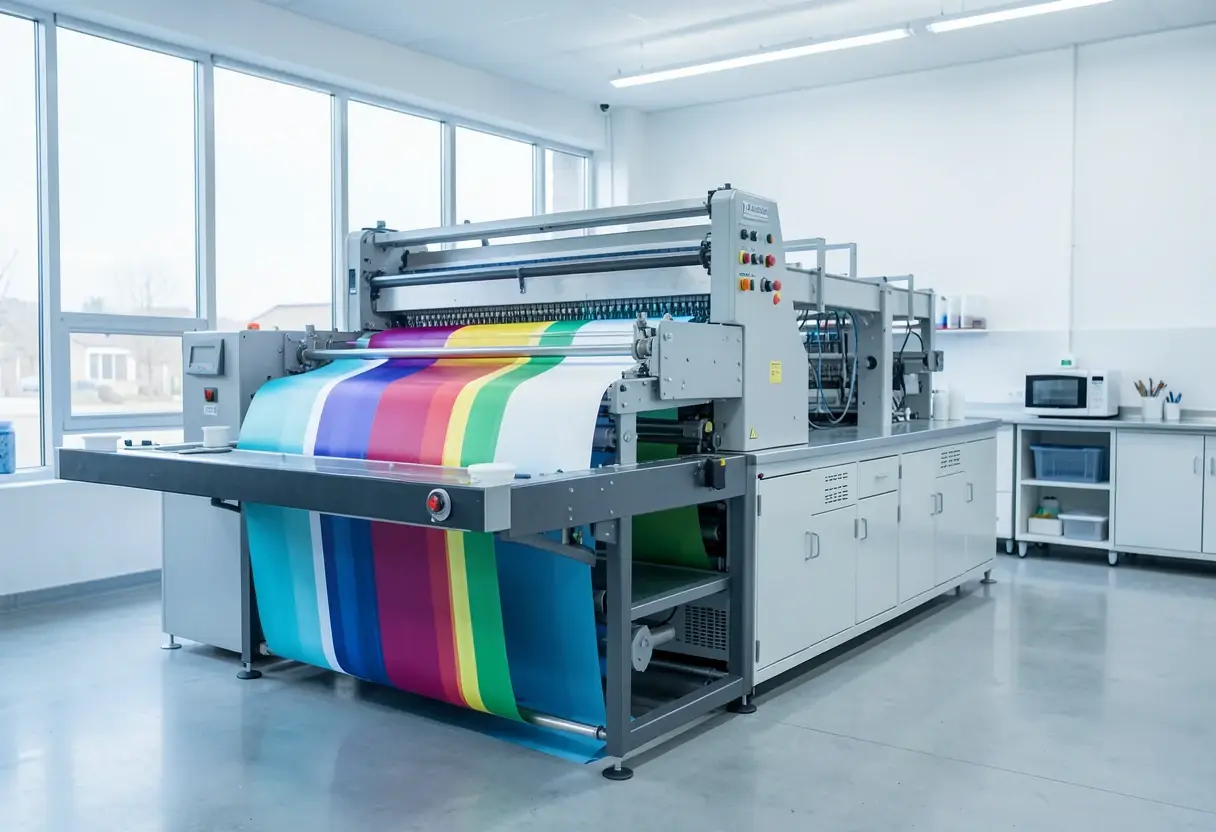
Bangladesh’s wet processing (dyeing, printing and washing) consumes about 1,500 billion litres of water annually, while many local mills use 250–300 litres per kilogram of fabric against global best practices of 50 litres or less.
That gap drives the case for new dyeing and printing equipment. It also raises the stakes for factory compliance and buyers’ chemical-management requirements.
What does the water-use gap show?
Bangladesh’s wet processing also consumes around 1.75 million tons of chemicals annually, valued at nearly $2 billion. According to the World Bank, dyeing and printing contribute up to 20% of global industrial water pollution.
Dyeing and printing rank among textile processing’s most resource-intensive stages. The figures establish urgency, but not payback. The reported 50-litre benchmark lacked a named source, installation data or evidence from Bangladeshi mills. The World Bank estimate also lacked a publication year or methodology.
The seminar formed part of the Textile Innovation Expo 2026 and took place in Hall 08, within the Expo Village’s Innovation Demonstration Zone at the International Convention City Bashundhara (ICCB), Dhaka. Dyehouse managers, chemical innovators, academics and machinery suppliers attended. Speakers presented advanced processing as a route to lower costs and stronger export competitiveness.
What did the speakers propose?
Md. Ashraful Alam, Production Director for Printing at M.N. Dyeing, Printing & Washing Mills Ltd., discussed traditional printing, water problems, color preparation and automatic color kitchens. An automatic color kitchen replaces parts of manual dye preparation with controlled dispensing, which can save significant water and permit repeated reuse in wet processing.
Alam said better color preparation could reduce waste and optimize resource use. “We should move forward with innovation to reduce costs and environmental impact,” he said. His presentation disclosed no machine model, installation date, water-saving percentage, payback period (time needed to recover capital spending) or buyer order.
Dr. Mohammad Abbas Uddin Shiyak, Associate Professor in the Department of Dyes and Chemical Engineering at Bangladesh University of Textiles (BUTEX), addressed modern dyeing systems, water scarcity, circularity (resource reuse) and deeper industry-academia collaboration. He also highlighted the paradoxes of conventional wet processing.
He examined polyester dyeing and low liquor ratios, meaning a lower chemical-bath volume relative to the amount of fabric processed. Shiyak called for sensor-based machinery, real-time data and AI-driven chemical recipe formulation as essential for future competitiveness. He urged academic institutions to prioritize the technologies in their discussions.
“We need a fundamental rethink about how we apply color, and to achieve this, we must truly understand the science of color,” Shiyak stated. His presentation supplied no pilot results, formula-accuracy data or implementation timetable.
How strong is the adoption case?
The proposed toolkit included digital inkjet printing, low-water and waterless dyeing, and automated color kitchens. The seminar cited a projection that digital inkjet printing’s share of the global printed-textiles market would rise from 6% in 2019 to 10% by 2026.
Speakers described these tools as increasingly reshaping factory operations. The 10% figure remained a projection, not a reported 2026 market result. The seminar supplied no forecast provider, methodology or Bangladesh adoption rate. It also did not quantify installed systems.
Speakers said newer systems could reduce water, energy and chemical footprints while improving right-first-time quality (RFT, output accepted without rework), shortening lead times and supporting buyers’ safer chemical-management requirements.
For mills and their customers, the proposed economics depend on whether equipment gains translate into lower utility and chemical costs without sacrificing throughput or delivery schedules. That remains an operating thesis, not a measured result.
The seminar disclosed no equipment prices, installation schedules, certification status, capacity additions or expected returns. Nor did it identify who would finance upgrades. Speakers linked the technology shift to lower costs, reduced environmental impact and stronger competitiveness in global markets, but offered no plant-level business case.
Who owns the next steps?
Engr. A.S.M. Hafizur Rahman Nixon, Secretary General of the Institution of Textile Engineers & Technologists (ITET), moderated the panel. It included:
- Engr. Mohammad Selim Reza, Managing Director of Arien Knit Composite Ltd.
- Engr. Rezaul Karim (Reza), Executive Director of Ahsan Composite Ltd.
- Orion Wu, Vice President of SEA at Tanatex Chemicals
The panel brought together mill and supplier representation alongside a technical professional body; no buyer, brand or mill announced a specific implementation timetable or commitment. None disclosed a signed machinery order, factory expansion, licensing agreement or investment amount. At the close, Engr. Ehsanul Karim Kaiser handed mementos to the guests.
For brands and sourcing teams, the next decision point is evidence: measured water and chemical use, verified first-pass quality, installation lead times and total operating cost. Until mills disclose those figures, the seminar establishes technical direction, not a completed sourcing shift.
via textiletoday.com.bd (Source)
More from Priya Raman
Show full bio
Correspondent covering people, launches and day-to-day practice in fashion industry as a trade and business at The Fabric Brief.
338 articles
Also on the board
- Bangladesh's Dhaka Factories Dump 634 Million Gallons of Untreated Effluent Daily
- Bangladesh Urged to Break Cotton Habit as Recycled Fibre Gap Widens
- Textile Innovation Expo 2026 to spotlight Bangladesh's value shift
- Bangladesh textile expo maps sourcing pressure from ESPR
- Bangladesh’s expo test: factory gains must reach buyers