Swatch card No. SW-6451 · cut November 6, 2026
Brands & Retail BusinessMill spec card
Balenciaga Loses Piccioli as Kering's Creative Reset Claims a Third Designer
Pierpaolo Piccioli exits Balenciaga after four collections, the third Kering creative chief to leave in under a month as Q3 revenues stall at 3.35 billion euros and Gucci drops 6 percent.
- Fiber
- Brands & Retail Business
- Count
- 4 min read
- Cut
- Weight
- 749 words
Spec notes
- Pierpaolo Piccioli exits Balenciaga after under 18 months and four collections
- Third Kering creative director exit in less than a month, after McQueen's Seán McGirr and Saint Laurent's Anthony Vaccarello
- Kering Q3 revenues flat at 3.35 billion euros; Gucci sales down 6 percent at constant exchange rates
- No successors named yet; Kering says Balenciaga appointment coming shortly
- CEO Luca de Meo plans to 're-engineer' the creative process with a support system around designers
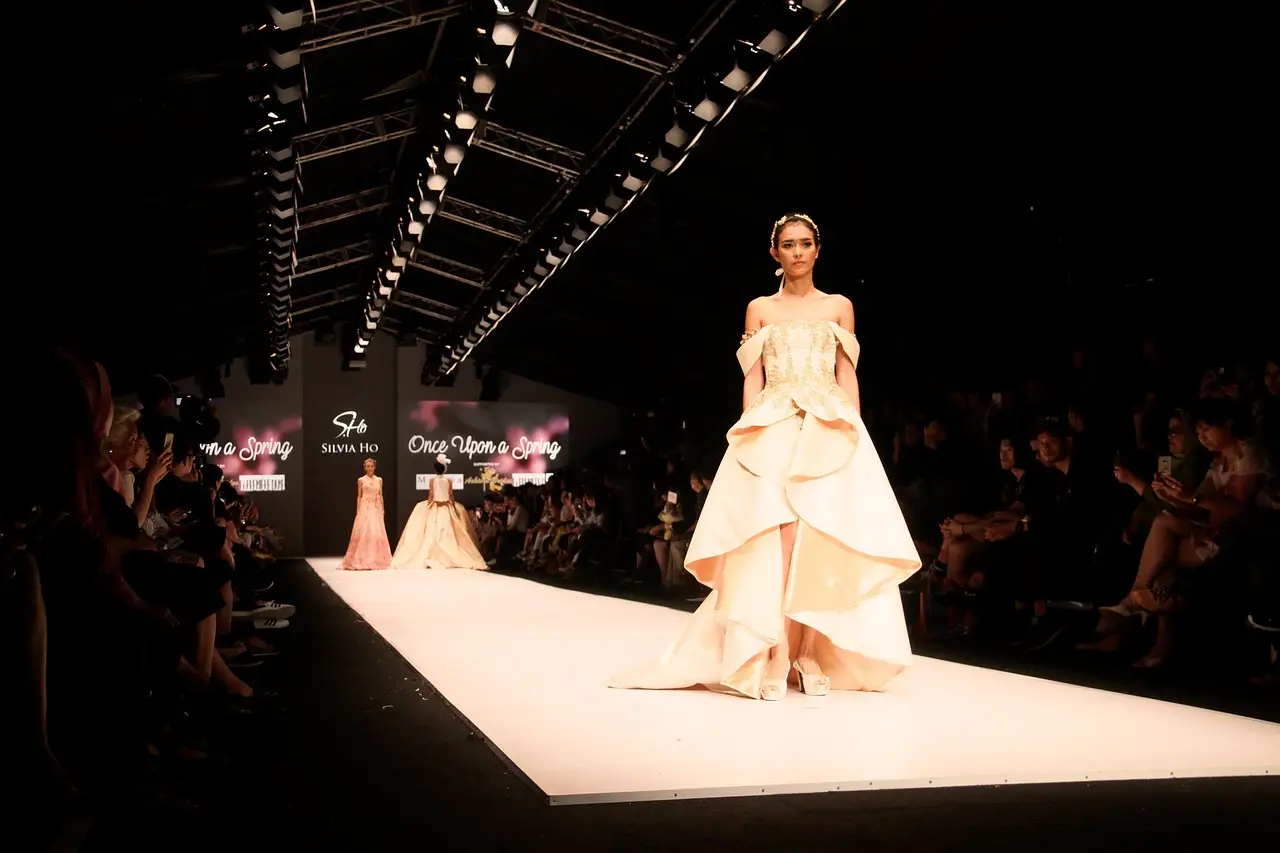
Balenciaga creative director Pierpaolo Piccioli is leaving Kering after less than 18 months in the role, making him the third creative chief to exit the French luxury group in under a month, following Seán McGirr at McQueen and Anthony Vaccarello at Saint Laurent.
Piccioli designed just four collections for the house, including a couture debut last July. His departure had been widely expected after mixed reviews. No successor has been named for any of the three seats, though Kering said a new Balenciaga creative chief would be revealed shortly.
For a group that treats creative directorship as its primary lever for reigniting demand, the churn rate is the story. Three vacancies at once is not a design decision; it is a restructuring with a fabric budget.
What does this change for the Balenciaga product?
Plenty, if the read on Kering's intentions holds. It is understood the group wants to return Balenciaga to the edgier, less romantic register of the Demna era — the designer who ran the house for nearly a decade and now sits as creative chief at Gucci. Piccioli, a couturier of the old school, was arguably a mismatch from the first fitting.
Gianfranco Gianangeli, president and CEO of Balenciaga, said Thursday that Kering was "deeply grateful" for Piccioli's contribution. "Through his vision, he reaffirmed the couture origins of the house, bringing his considered approach to craftsmanship, construction and creativity," he said.
CEO Luca de Meo called Piccioli "an exceptional couturier and creative talent for whom we have the greatest respect," adding: "Our ambition is to build on Balenciaga's avant-garde spirit, honor its remarkable heritage and continue to push creative boundaries."
Piccioli built his reputation at Valentino in Rome, first alongside Maria Grazia Chiuri — now creative director of Fendi — and then solo, to consistent critical acclaim. His own framing of the Balenciaga assignment, given to WWD earlier this year, was architectural rather than commercial. "A couturier has to be a sculptor, or architect for the shapes, has to be a painter for the colors, a philosopher for how people feel in your clothes," he said. He added that couture must be "related to the moment … and related to life." Elegant words. They did not move the numbers.
The numbers behind the churn
Kering's third-quarter results, released last month, frame the exits. Revenues for the three months ended Sept. 30 came in flat at reported exchange rates, at 3.35 billion euros — a 1 percent decline in comparable terms, marginally better than the 1.3 percent organic drop analysts had forecast.
Gucci did the damage. The group's main profit engine posted a 6 percent sales decline at constant exchange rates, worse than the 5.4 percent decrease consensus expected, as Demna's new direction struggled to gain traction amid a sector-wide slump in Chinese demand.
Investors, by all accounts, are worried that the creative churn will prove more of a challenge than an opportunity. Management disagrees, at least on the record.
De Meo's structural bet: designers as captains, not solo acts
During the analyst call, chief financial officer Armelle Poulou argued the shake-up would eventually bear fruit. "Each brand is on a specific trajectory, and each situation is very different," she said, emphasizing that Kering is putting a "more efficient operating model" around designers so their vision is backed by product development, marketing and merchandising teams.
De Meo, the former Renault Group boss, expanded on this in an interview with WWD last month, saying he intends to "re-engineer" the creative process itself.
"A creative director for me is like a captain, the playmaker of a team. He's the one that has more talent, that kind of technical ability to solve the game in an unexpected way," he said. "But without a [support] system around, I believe that we cannot run multibillion, multicategory, multi-geography businesses and ask them to do everything from store layout to marketing."
He pledged to "change the way the studio interacts with the rest of the organization in the spirit of finding a more collaborative way of handling the complexity."
For sourcing and supply-chain professionals watching from the vendor side, the implication is direct: shorter creative tenures mean more collection resets, more development churn and less settled order books — unless de Meo's support-system model genuinely stabilizes the studio-to-factory pipeline. The next Balenciaga appointment, promised shortly, will be the first test of whether the system or the soloist wins.
via WWD (Source)
More from Tom Whitfield
Show full bio
Market editor covering regulation, policy and their impact on fashion industry as a trade and business at The Fabric Brief.
292 articles
Also on the board
- Balenciaga Creative Director Piccioli Exits After 16 Months
- McQueen and Calvin Klein Oust Creative Directors in Same Day
- Saint Laurent Confirms Vaccarello Exit; Kering Targets Daywear, Menswear Gaps
- Kering Drops McQueen Creative Director Seán McGirr Amid Retrenchment
- Louis Vuitton Creates Chief Brand Creative Officer Role for Muelas