Swatch card No. SW-9011 · cut November 13, 2026
Brands & Retail BusinessMill spec card
Athleisure Is Fading: Footwear Shift to Dress Styles Is Multi-Year Cycle
Sports is 58% of U.S. footwear sales, but Jefferies and Euromonitor analysts say athleisure is fading and polished casual will define 2026 as a multi-year rotation begins.
- Fiber
- Brands & Retail Business
- Count
- 3 min read
- Cut
- Weight
- 603 words
Spec notes
- Sports footwear is 58 percent of U.S. footwear sales, up from 50 percent in 2021.
- Global footwear market of $417 billion is forecast to grow 5.4 percent in 2026; U.S. footwear is about $95 billion.
- Dressy apparel searches rose 4 percent while athleisure searches fell 8 percent; Lululemon and Athleta searches dropped 8-11 percent.
- Asics is accelerating to 15 percent growth in 2026, while Hoka and On slow as they reach scale.
- Steven Madden CEO Edward Rosenfeld flagged a decline in tall shaft boot sales in Q3 results for the period ended Sept. 30.
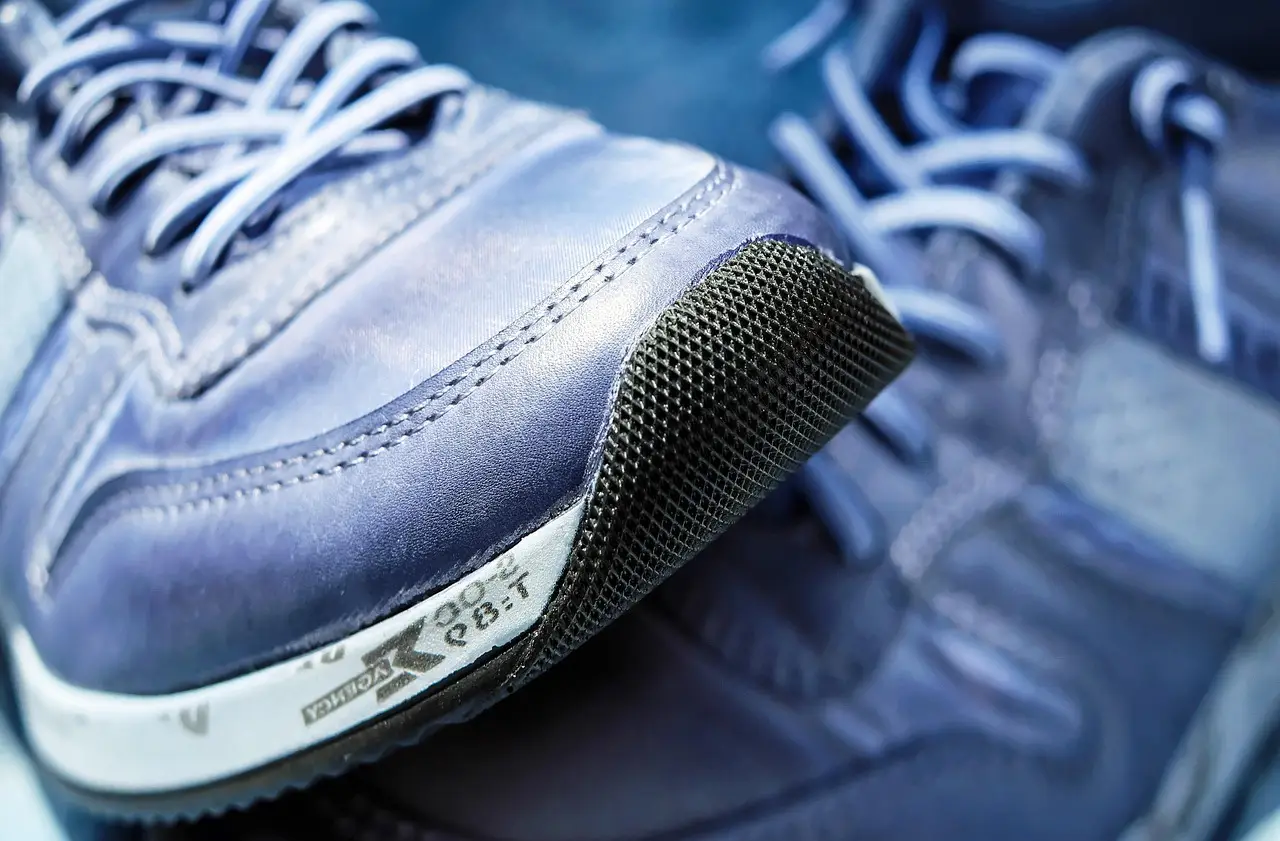
Sports footwear now accounts for 58 percent of U.S. footwear sales, up from 50 percent in 2021, yet Jefferies analyst Blake Anderson argues the real story is the reversal now beginning: a multi-year rotation from athleisure toward polished, dress-oriented styles that will hit footwear first and apparel later.
Anderson, fashion brands and platform analyst at Jefferies, hosted a call Tuesday with two Euromonitor experts — Jitong Li, consultant for North America fashion, and Marguerite LeRollland, global insight manager for fashion. His central takeaway was blunt. The "athleisure era is fading and footwear is gradually shifting toward a more polished, dressed-up look," Anderson wrote in his report.
What does the cycle look like?
The analysts framed the shift as a defined sequence of phases. The 2016-to-2021 athleisure boom eroded value and mall footwear. The 2021-to-2026 period was led by sneaker, comfort and casual work demand, while dress and fashion declined. Euromonitor's experts said footwear shifts should drive broader fashion changes, with footwear leading and apparel following more slowly.
Their phase map is specific:
- Athletic casual — hoodies, leggings, chunky running sneakers — peaked between 2021 and 2024.
- The bridge period — track jackets, wide-leg trousers, low-profile sport shoes — occurred in 2025.
- Polished casual rises in 2026: a blazer over a tee, pleated trousers, loafers or ballet flats.
Denim strength offers another signal of the turn, according to Anderson.
What do search numbers show?
Search data backs the rotation. Dressy apparel searches are up 4 percent, while athleisure searches are down 8 percent. The technical brand Arc'teryx saw searches climb 30 percent, outpacing total apparel growth of 3.6 percent. Athleisure brands Lululemon and Athleta saw searches fall between 8 percent and 11 percent.
The silhouette shift favors versatility. Ballet flats lead the change as the new "go-to" versatile shoe, alongside mary janes. Consumers want lighter, lower-priced styles that work across occasions. Boots are becoming a selective purchase, and Western boots may slow — cowboy boot searches are down 8 percent from prior years.
The point has already surfaced in earnings. When Steven Madden Ltd. reported third-quarter results last Thursday for the period ended Sept. 30, chief executive officer Edward R. Rosenfeld said on the conference call that the flagship Steve Madden brand posted strong performance in booties and heels but saw a decline in tall shaft boot sales.
How big is the market?
The global footwear market stands at $417 billion and is forecast to grow 5.4 percent in 2026. U.S. footwear is roughly a $95 billion market, or one-fifth of the $457 billion combined U.S. apparel and footwear market. Euromonitor expects U.S. sports footwear to keep outperforming through 2030 on sustained consumer focus on health, wellness and lifestyle.
Brand-level share shifts compound the picture. Hoka and On are reaching scale, with growth rates slowing in 2026. Asics is accelerating to 15 percent growth in 2026, while legacy lifestyle sneakers sit in reset mode.
Who wins from the turn?
The rotation creates room for established players. "The opportunity for legacy players to win by refreshing their styles, with more leading players to layer fashion into legacy sport styles," Anderson said in his recap. He added: "We'd also put Vans in this bucket from our coverage as they innovate classic silhouettes."
For sourcing and merchandising teams, the implication is a staged pivot: capacity and development dollars move toward flats, loafers and dress constructions over several seasons, not one. The analysts' timeline puts polished casual as the rising trend for 2026, with footwear setting the direction apparel will follow.
via WWD (Source)
More from Rebecca Stone
Show full bio
Staff writer covering people, launches and day-to-day practice in fashion industry as a trade and business at The Fabric Brief.
285 articles
Also on the board
- Coach Footwear Revenue Up 20 Percent as Tapestry Raises Outlook
- Running Footwear Dollar Sales Rose 10% in Q3, Circana Says
- Kohl's Footwear Comp Accelerates 500 Basis Points as Boots Rebound
- Philipp Plein Bankrolls Expansion as Footwear Nears €100M
- Category Expansion Is a Sourcing Problem First, Indian Brands Find