Swatch card No. SW-2831 · cut September 29, 2026
Textile InnovationMill spec card
Archroma's Single-Step Dyeing Enters Commercial Production at Lameirinho
Lameirinho ships the first commercial bedlinen made with Archroma's InOneGO single-step dyeing, with supplier-calculated savings of up to 97% in water and 81% in processing time.
- Fiber
- Textile Innovation
- Count
- 2 min read
- Cut
- Weight
- 482 words
Spec notes
- Lameirinho, Portugal, has moved Archroma's InOneGO into commercial bedlinen production, with the first collection sold worldwide.
- Archroma's One Way Impact Calculator shows savings of up to 97% water, 65% energy, 75% CO2 and 81% processing time versus cold pad-batch reactive dyeing plus pigment top-dye.
- InOneGO runs on existing stenter and thermosol lines, requiring no dedicated machinery investment, and works with Diresul RDT, EarthColors and FiberColors dyes.
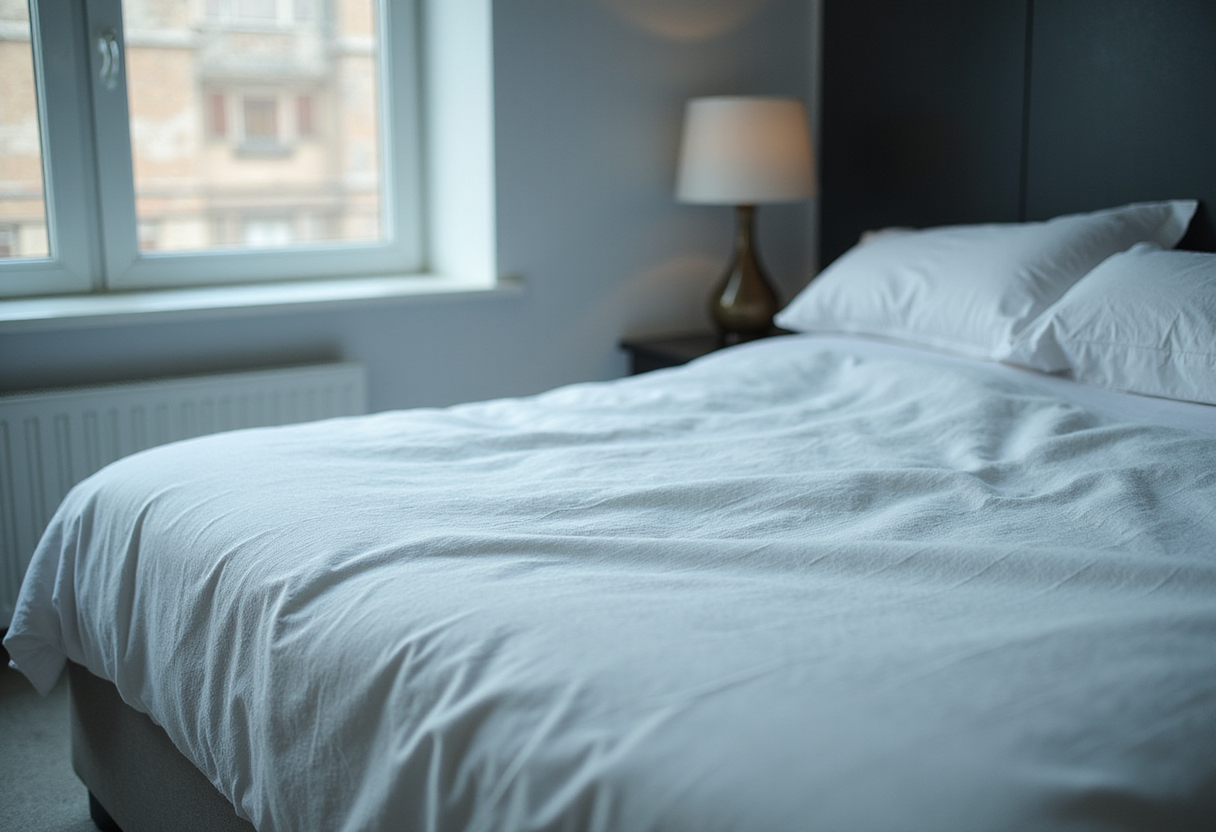
Portuguese home textiles manufacturer Lameirinho has moved Archroma's InOneGO single-step dyeing process from trials into commercial production, with the first bedlinen collection made using the technology now sold worldwide.
The industrial adoption marks the first time InOneGO appears in finished consumer products rather than as a laboratory-scale promise from the Swiss specialty chemicals supplier. For mills weighing wet-processing costs, the commercial details matter: the process runs on existing stenter and thermosol lines, so factories can introduce it without capital investment in dedicated machinery.
InOneGO combines coloration, fixation and softening in a single pad-dry application. It eliminates several separate processing and washing stages normally required to produce washed-down and vintage effects on woven cellulosic fabrics — finishes that conventionally consume additional water and energy across successive wet operations.
Archroma reports that assessments using its Diresul RDT dyes demonstrated reductions of up to 97% in water consumption, 65% in energy use and 75% in CO2 emissions, with processing time cut by as much as 81%. Sourcing and sustainability teams should note the benchmark: the figures come from Archroma's own One Way Impact Calculator, and compare InOneGO against conventional cold pad-batch reactive dyeing followed by a pigment top-dye finish, including the additional processing needed for an easy wash-down effect on woven fabrics. These are supplier-calculated results, not third-party verified figures.
Lameirinho is applying the technology commercially to bedlinen in a range of shades and finishes, including indigo denim appearances, washed-down effects and vintage-style surfaces. The process is designed to create the required coloration and surface character in one continuous application while retaining the necessary colour fastness — a critical point for home textiles, where repeated laundering governs product performance.
Performance finishes can still be added in a second processing stage where a collection requires them, preserving flexibility for buyers specifying functional properties such as softness or durability treatments.
The process is compatible with Archroma's Diresul RDT range of pre-reduced, low-sulphur liquid dyes, as well as the company's EarthColors and FiberColors biomass-based sulphur dyes. Together these cover shades from earthy tones through deep blues to blacks, giving mills a workable palette without switching chemistries.
Lameirinho innovation and development manager Jorge Leitão says the technology has enabled the company to bring the visual depth and washed effects more commonly associated with denim into home textiles while simplifying the processing route.
For brands sourcing washed and vintage-look bedlinen, the move signals a shorter, lower-resource route to those aesthetics — with the lead-time and compliance implications that follow from an 81% reduction in processing time and sharply lower water and energy inputs. For Archroma, the Lameirinho launch converts a technology pitch into a commercial reference, and the company will look to extend InOneGO from home textiles into further woven cellulosic categories as mills evaluate the process on their own lines.
via archroma.com (Original)
More from Elena Vasquez
Also on the board
- HeiQ and Archroma Take ITMF Collaboration Award for Textile Innovation
- Monforts Tech Centre Lets Mills Trial Finishing at Full Scale
- ITMF Names HeiQ-Archroma and Lenzing-Armedangels as 2026 Collaboration Award Winners
- Swedish machinery makers expand capacity ahead of ITMA Asia 2026
- Baldwin to showcase TexCoat G4 precision spray at Guatemala sourcing show