Swatch card · cut November 14, 2026
Brands & Retail BusinessMill spec card
20-25% of V-Bazaar Customers Generate Over Half Its Revenue
V-Bazaar says 20-25% of customers drive over half of revenue, with lifetime value 3-4x higher, as Indian apparel brands rebuild loyalty programmes around personalisation and convenience.
- Fiber
- Brands & Retail Business
- Count
- 4 min read
- Cut
- Weight
- 802 words
Spec notes
- 20-25% of V-Bazaar customers generate over 50% of revenue; their lifetime value is 3-4x higher than occasional buyers
- Loyal V-Bazaar customers visit 2-3x as often and spend 20-30% more per basket
- V-Bazaar operates 130 stores across more than 100 cities
- BIBA's Gen Z sub-brand BIBA NXT is priced ₹899-₹1,999
- Womancart's MD cites an illustrative 5-15% benefit over time from loyalty programmes
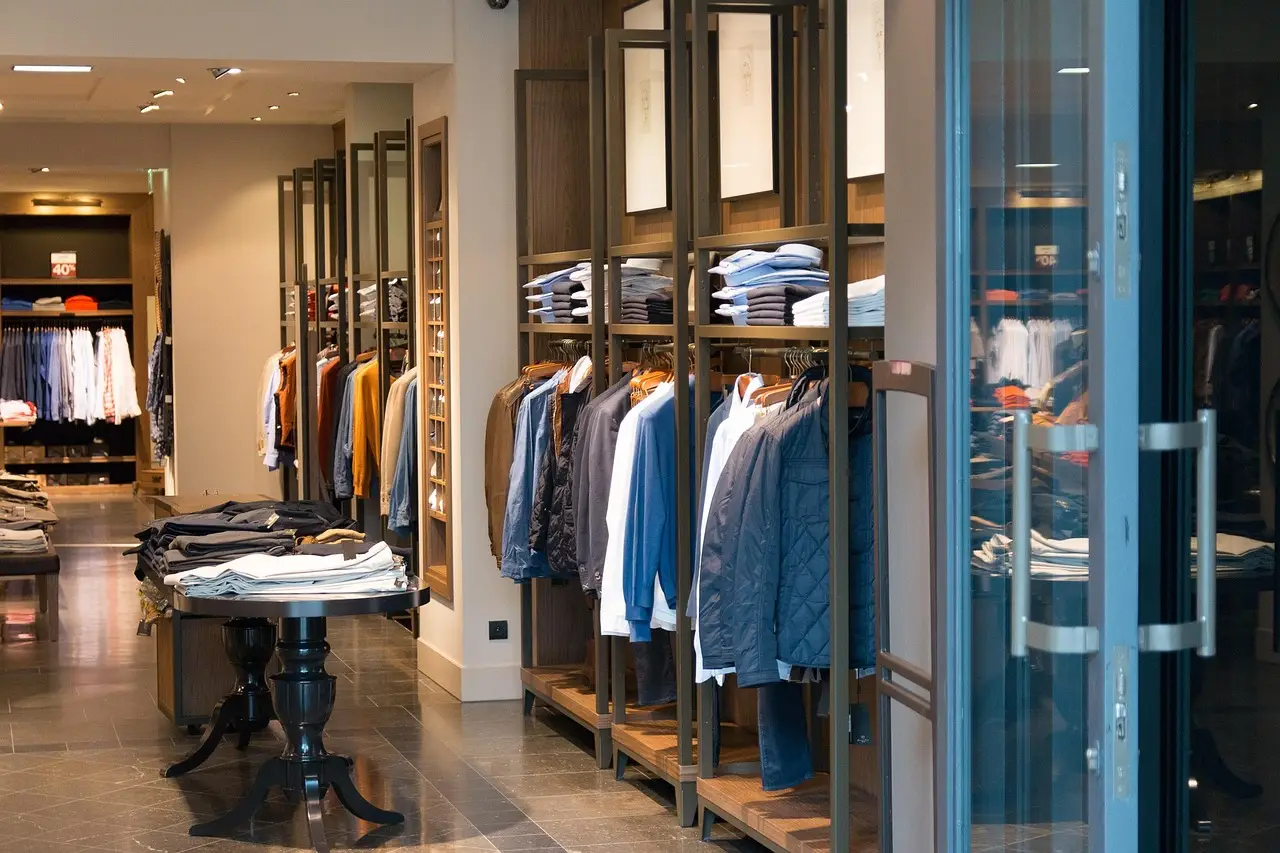
Between 20 and 25 percent of customers at V-Bazaar generate more than 50 percent of the value retailer's revenue, according to Director Raghav Agarwal. The figure, disclosed as Indian apparel brands reassess retention spending, frames loyalty as a measurable commercial input rather than a marketing abstraction.
Those frequent shoppers visit two to three times as often as occasional buyers, spend roughly 20 to 30 percent more per basket and carry a lifetime value three to four times higher. Put plainly: one repeat customer is worth about three or four one-time buyers to the 130-store chain, which operates across more than 100 cities.
What separates a loyal customer from a repeat buyer?
Executives across the segment draw a hard line between a second purchase and genuine retention. A customer who buys twice may have returned for a discount, a convenient location or an immediate need. The test, they argue, is whether the customer keeps choosing the brand when alternatives are available, across seasons, occasions and changing wardrobe needs.
"Loyalty, to us, is not simply someone buying twice. It is the customer who returns across occasions and across seasons, who brings the next generation of the family to the brand, and who chooses BIBA when every other option is in front of her," said Siddharth Bindra, Managing Director of ethnic wear brand BIBA.
Agarwal of V-Bazaar described loyalty in household terms. "A loyal customer is really a loyal family. They come for festival shopping, again for a wedding, and then for everyday clothing. Over time, they start buying for more people at home," he stated.
He cautioned against a single metric. "Two customers can spend the same amount in a year, but one buys only during a sale while the other shops across occasions. That does not make the sale customer any less important. We need to understand the different buying patterns."
How are retailers rebuilding loyalty programmes?
Over the next three to five years, brands expect to give customers fresh reasons to return as competing options multiply. Personalisation, convenience and wider product relevance are set to carry more weight, while points-and-discount loyalty schemes will need to deliver benefits customers actually value.
Agarwal said most shopping in the towns V-Bazaar serves starts with a need and a family budget. Price matters, but so does finishing the shopping in one place. "An offer may get the first visit, but there has to be another reason for the next one," he said. Retailers that attract shoppers through convenience must maintain it to keep them.
BIBA is executing on the range side. Beyond everyday Indianwear and festive and wedding collections, it sells modern fusion styles through BIBA NXT, a sub-brand aimed at Gen Z and young millennials priced between ₹899 and ₹1,999. BIBA Girls covers ethnic and western wear for children. The company is also strengthening its loyalty programme and using customer data to personalise communication and offers.
Madhu Sudan Pahwa, Chairperson and Managing Director of Womancart, which operates the online apparel brand ShopFaeezah, said loyalty programmes must offer more than reward points: exclusive benefits, personalised messages, relevant offers, faster delivery and easier product discovery. "The key is to ensure that rewards remain meaningful to consumers while being commercially sustainable for the business," he said.
Does retention improve digital economics?
Retention carries direct margin relevance for online channels, where acquiring new buyers is expensive. Pahwa cited an illustrative benefit of around 5 to 15 percent over time from some loyalty programmes, while noting actual savings depend on programme structure, shopping frequency and the benefits offered.
Sumedha Jain, Marcomm Head at women's fast fashion brand Madame, outlined a control-group method for testing campaign quality: compare customers acquired through a promotional campaign with those who arrived without a discount. "We look at how often each group buys again, how much they spend per purchase, whether they pay full price and what it costs to win them over. This shows whether a campaign created a quick bump in sales or customers who stay with the brand," she explained.
She said acquisition and retention should be treated as two investments that work together. The cost of winning a customer equals money spent on acquisition divided by new customers gained in the same period. The cost of keeping customers requires a defined scope covering all spend on existing buyers, including CRM and promotions.
For sourcing and merchandising teams, the implication is direct: brands banking on family-basket purchases and cross-occasion relevance must plan assortments, size curves and replenishment for multi-person, multi-visit shopping trips rather than single transactions. As acquisition costs climb in digital commerce, expect more Indian apparel players to shift budget from discount-led campaigns toward data-driven retention over the coming three to five years.
via Apparel Resources (Source)
More from Elena Vasquez
Show full bio
News editor covering money, funding and market shifts around fashion industry as a trade and business at The Fabric Brief.
360 articles
Also on the board
- Indian Apparel Trades Up: Mid-Premium Segment Grows 25% as Shoppers Buy Better, Not More
- WWD x BCG Report: 53% of Consumers Now Buy on Quality-Per-Price
- Faulty Garments Drive Brand Exit for 27.7% of Consumers, Survey Finds
- Wunderkind-Cordial Survey: 56% of Shoppers Put Price First, Only 25% of Marketers Agree
- Mall Retail Leasing Falls 38% in Q3 Across India's Top 8 Cities