Swatch card No. SW-5427 · cut November 16, 2026
Brands & Retail BusinessMill spec card
Indian Apparel Trades Up: Mid-Premium Segment Grows 25% as Shoppers Buy Better, Not More
Mid-premium apparel in India grows at 25% CAGR and premium at over 45%, per Deloitte, as shoppers trade up selectively — reshaping pricing, tier-city reach and margin strategy.
- Fiber
- Brands & Retail Business
- Count
- 5 min read
- Cut
- Weight
- 924 words
Spec notes
- Mid-premium apparel (₹3,500-₹7,000) is growing at ~25% CAGR; premium apparel is projected to grow over 45%, per Deloitte.
- Close to 40% of Indian consumers tried a new fashion brand in the past year.
- V-Bazaar Retail, with nearly 130 stores, targets ₹2,000 crore turnover in four years.
- Numero Uno draws 38% of EBO/MBO sales from Tier II cities and ~19% from Tier III.
- Aldeno's linen shirts at ~₹3,999 contribute 35-40% of its business.
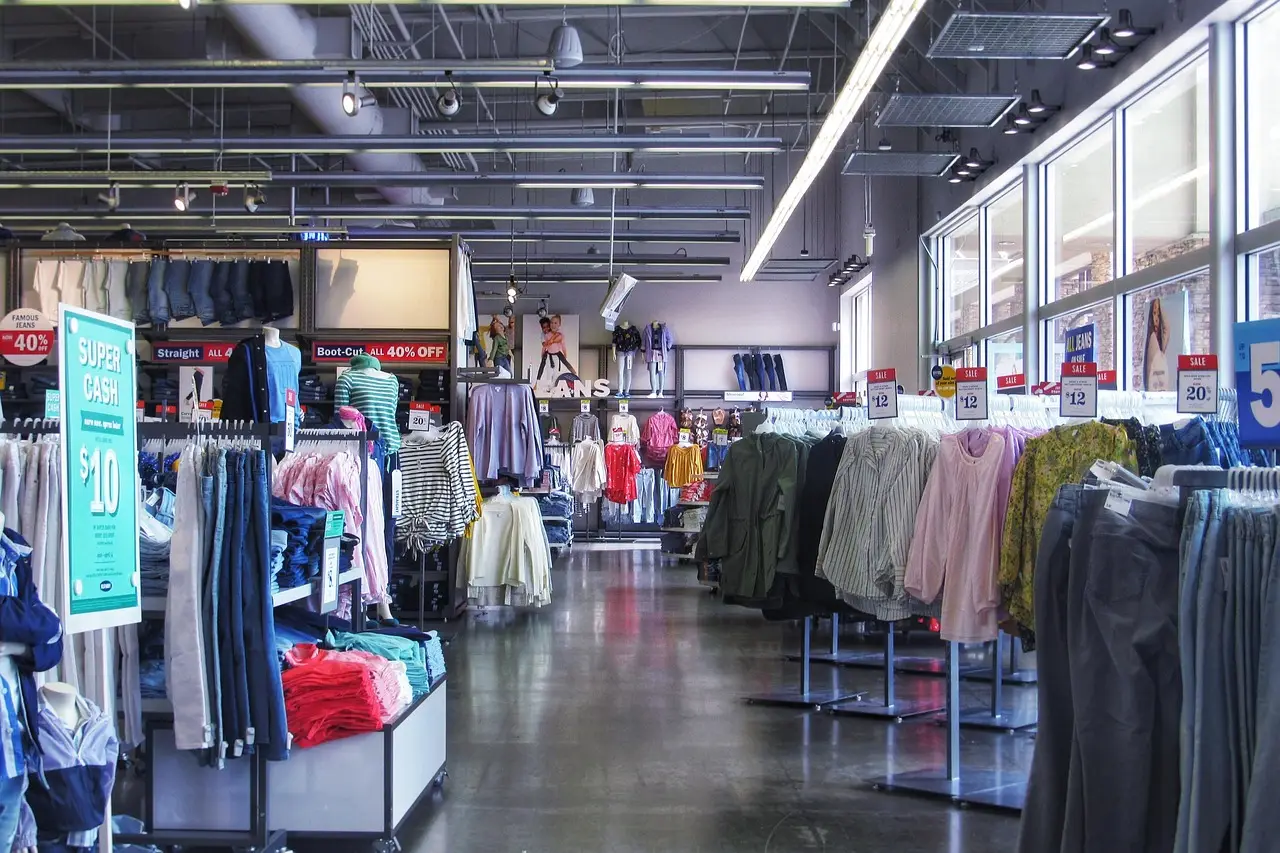
India's mid-premium apparel segment, priced between ₹3,500 and ₹7,000, is growing at a CAGR of around 25%, while premium apparel is projected to grow at over 45%, according to a Deloitte study charting the industry's move away from volume-led buying toward intentional, quality-driven consumption. The figures anchor a broader commercial shift now visible in the pricing, assortment and store-footprint decisions of Indian brands and retailers.
Close to 40% of Indian consumers tried a new fashion brand in the past year, the study finds, driven by trusted recommendations, social influence and price points that make premium quality easier to reach. Emerging and mid-premium brands are gaining the most, especially among younger urban shoppers. About 30% of shoppers say the sensory, in-store experience is a key influence on what they buy.
What does 'selective trading up' mean for pricing?
Praveen Govindu, Partner at Deloitte India, frames the shift as disciplined rather than wholesale premiumisation. He said: "India's apparel market is seeing selective trading up, with consumers upgrading for occasions or for products offering better fabric, fit, durability, craftsmanship or a distinctive silhouette, while keeping overall wardrobe spending disciplined. The shift is towards paying more where the difference matters, rather than moving the entire wardrobe up the price ladder."
The evidence sits in retailer data. V-Bazaar Retail has lifted its average selling price by a high single-digit percentage a year over the last two to three years. Raghav Agarwal, Director of V-Bazaar Retail, said roughly half of that gain comes from customers trading up and the rest from input-cost increases passed through. "Someone who usually buys a ₹299 shirt may pick a ₹399 or ₹499 one because they like the fabric or design," he said. The retailer operates nearly 130 stores and targets ₹2,000 crore turnover within the next four years.
At House of Aldeno, the D2C luxury menswear and shirt brand of CIEL Group based in Bengaluru, fabric-led premium products are pulling the average selling price upward. The brand operates in the mid-premium band with an ASP of around ₹3,500 and ranges extending to ₹5,000 and above. Linen shirts, priced at around ₹3,999, now contribute roughly 35-40% of the business. Its EverSharp non-iron shirt range and Quattro Flex four-way-stretch knitted range, priced at ₹4,999, are also gaining traction.
Abhishek Anand, Brand Business Head at House of Aldeno-CIEL Group, said: "We are seeing a gradual shift towards higher-value apparel, especially where the customer can clearly experience a better product." He added: "Customers are becoming more selective. They may not buy more shirts, but they are increasingly willing to invest in the right shirt when the value is visible and genuine."
Which segments carry the growth?
V-Bazaar's core range still carries most of the business. The fastest growth comes from products priced roughly 20% above entry level. Ethnic wear, festive and occasion wear, and well-designed kidswear lead that demand.
Raghav cautions against overreading the premium signal. "The higher-priced range is growing faster in percentage terms, but it is still a smaller part of revenue, in the low double digits. We have to keep that base in mind. It is adding business, while the everyday range remains stable," he said.
Jaiwant S Dhingra, Director of Marketing and Business Development at Numero Uno Clothing, bets on the middle. "The sweet spot will be the mid-premium range. People want good quality and a brand they trust, but they don't want to pay luxury prices. That favours brands with real manufacturing depth and consistency over trend chasing," he said.
Is premium demand reaching beyond the metros?
Distribution data says yes. Around 38% of Numero Uno's total EBO/MBO sales now come from Tier II cities, with Tier III cities contributing approximately 19%. "Social media and online shopping have narrowed the aspiration gap: smaller-city shoppers are not just brand-aware but asking for trending styles and better quality," said Dhingra. Numero Uno's fastest-growing cities include Hyderabad, Chandigarh, Ambala, Varanasi and Anantnag, and the brand is expanding in the East, where retail is growing quickly. Its jackets and España denim styles perform well with shoppers seeking elevated looks and fabrics.
Anand sees the same dynamic. "Customers outside metros are increasingly informed. They compare fabric, fit, finish, reviews and value more carefully than before," he said, adding that this will shape Aldeno's digital reach and future offline expansion.
KKCL, whose portfolio includes Killer, Lawman, Easies, Integriti and Kraus, expects revenue to grow at a three-year CAGR of around 20% with inorganic growth factored in. Hemant Jain, Joint MD, said: "India's apparel opportunity extends well beyond its largest metropolitan centres. For KKCL, this creates an opportunity to strengthen our presence in markets where consumers are looking for branded denim and contemporary casualwear at accessible price points."
Do higher prices mean higher margins?
Not automatically. Govindu notes the margin math depends on full-price sell-through. "Compared with core products, premium ranges can offer more room for margin, but the realised advantage depends on selling at full price. If demand is overestimated and collections require heavy markdowns, that advantage can disappear," he said.
For sourcing and merchandising teams, the implication is a two-tier discipline: invest in fabric, fit and construction where customers can see the difference, and hold wardrobe-level pricing steady elsewhere, because markdown risk can erase the premium margin before it is banked.
via Apparel Resources (Source)
More from Rebecca Stone
Show full bio
Staff writer covering people, launches and day-to-day practice in fashion industry as a trade and business at The Fabric Brief.
308 articles
Also on the board
- Fashion GMV Climbs 22–25% in First Two Days of India Festive Sales
- India's Apparel Sourcing Window Reopens—For Now
- Myntra's Big Fashion Festival Nearly Doubles D2C and FWD Orders
- India's apparel market to hit $146.3bn by 2029: CMAI
- Brandman Retail Posts 20% Revenue Growth, Targets 50 Stores by March 2027