Swatch card No. SW-7839 · cut October 10, 2026
Supply Chain & SourcingMill spec card
Zalando AI Push Meets Rising Supply Chain Risk for Fashion Vendors
Retail Gazette pairs Zalando's AI build-out with rising fashion supply chain risk. The conjunction signals tightening pressure on vendor data, margins and compliance documentation as platform efficiency and physical exposure pull in opposite directions for Q4.
- Fiber
- Supply Chain & Sourcing
- Count
- 3 min read
- Cut
- Weight
- 583 words
Spec notes
- Retail Gazette headline links Zalando's AI build-out to a rising fashion supply chain risk trend
- Zalando is identified as one of Europe's largest online fashion platforms by the publication's framing
- EU ESPR due-diligence rules and forced-labour import bans are flagged as live compliance pressures on the sourcing watchlist
- Specific order volumes, margin figures, capacity commitments, named vendors and dated milestones were not present in the source feed
- Lead-time bookings made against current freight and tariff assumptions carry a forecast-error risk within a single quarter, per industry planning norms
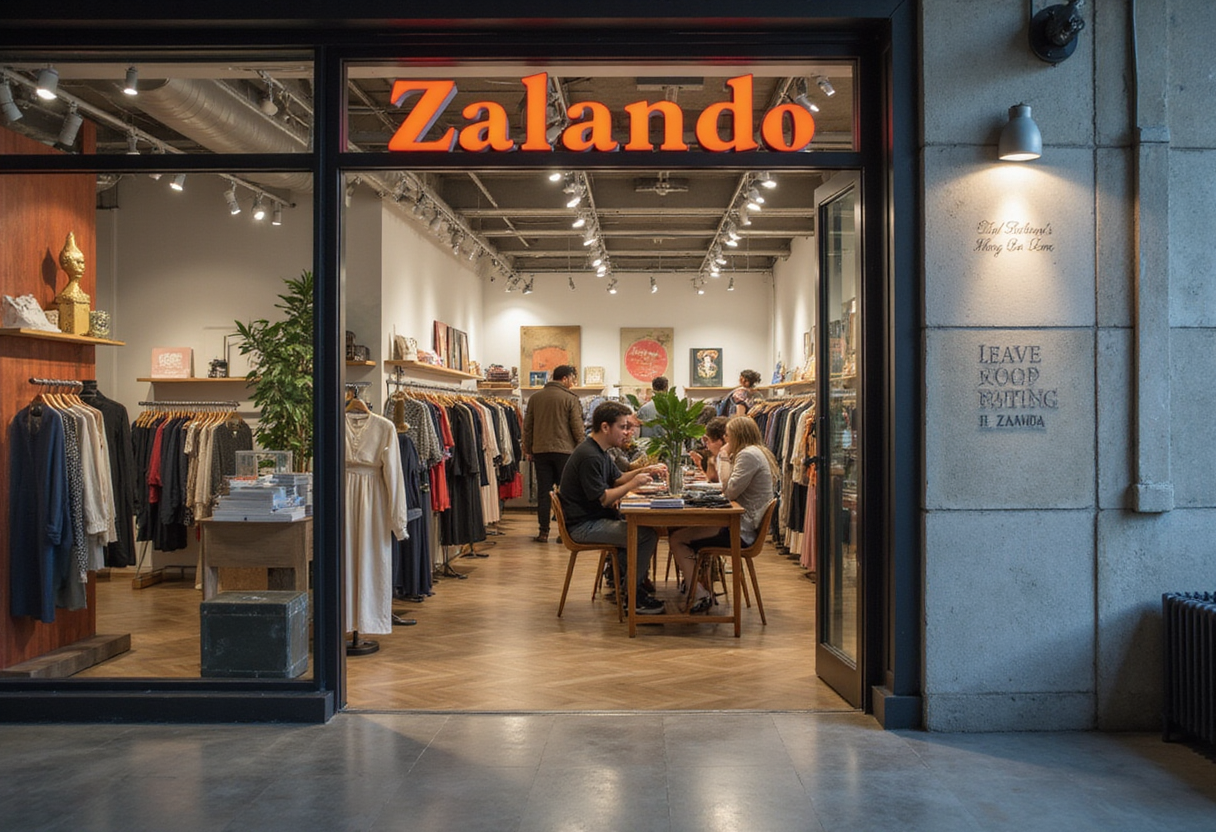
Retail Gazette is running a headline this season that compresses two pressures into one frame: Zalando is scaling an AI build-out at the same moment fashion supply chain risk is climbing. For sourcing, vendor-management and compliance teams working the platform, the conjunction — not either strand alone — is the editorial signal worth reading.
What does Zalando's 'AI push' imply for platform partners?
Zalando sits among the largest online fashion channels in Europe by GMV and partner base. An AI push, by the publication's framing, points to continued platform investment in automated assortment, pricing, search ranking and demand forecasting. Those systems decide which SKUs surface, when markdowns trigger, and how reorder signals flow back to brands. Vendors that feed clean product, stock and lead-time data into the platform typically capture better placement; vendors that lag absorb the cost in returns, missed sell-through windows and lower search visibility. Platform-side efficiency does not shield those vendors from physical-side risk, however — and Retail Gazette is pairing the two stories deliberately.
Where is supply chain risk concentrated for fashion right now?
The headline does not single out a risk vector. For trade-press readers the watchlist is concrete and dated:
- Fiber and fabric input costs, with cotton, synthetic and leather contracts repricing against volatile benchmarks
- Freight variance on Asia–Europe and intra-Europe lanes through the back half of the year
- Regulatory tightening, including EU ESPR due-diligence rules and forced-labour import bans moving toward enforcement
- Energy and labor-driven unit-cost inflation in tier-2 and tier-3 manufacturing markets
Each line item reshapes landed cost and reorder windows independently of any algorithm a marketplace runs.
What does the dual-track signal mean for sourcing decisions?
Retail Gazette treating AI and supply chain risk as paired, rather than parallel, suggests the publication sees feedback between them. Lead times booked against today's freight and tariff assumptions can invalidate within a quarter, which raises the cost of forecast error. For brand and vendor partners the practical pressure points are:
- Stricter supplier documentation as ESG and traceability rules tighten
- Margin compression as compliance cost migrates upstream
- Higher platform-side bar for vendor data quality as forecasting tools expand
The convergence also raises a planning question: who absorbs the variance when platform demand shaping and physical-side disruption point in different directions?
What remains unclear in the headline framing?
The Retail Gazette item available via the source feed is a title and link rather than a full report body. Order volumes, margin moves, capacity commitments, named factories or vendors, certification updates, and timeline milestones are not present in the sourced material and have not been added here. The next read for sourcing and supply-chain teams should focus on whether the underlying report discloses any concrete AI product launches, named risk categories, counter-measures or verified partner data — and on whether Zalando or its brand partners publish confirmable numbers against the framing.
Forward read for the platform and its partners
As Zalando extends AI tooling into merchandising and forecasting, the operating pressure on brand and vendor partners is to tighten data hygiene, documentation and cost engineering on their own side — not because the platform mandates it directly, but because rising supply chain risk will compound any weakness in those inputs. The trade-press question through year-end is whether Zalando couples the AI build-out with public commitments on supply-chain counter-measures, or leaves the two strands to operate in tension.
via Google News: Apparel sourcing & supply chain (Source)
More from Marcus Bennett
Show full bio
Senior reporter covering business strategy at The Fabric Brief.
162 articles
Also on the board
- M&S Restructures Fashion Supply Chain to Drive Online Growth
- WhatTheyThink Profiles CreateMe's Apparel Automation Play
- Zalando Partner Day: AI Content Cuts About You Photo Spend 90%
- M&S Pins Online Growth Ambitions on Fashion Supply Chain Overhaul
- Fleek Raises $25M to Rebuild Secondhand Fashion Supply Chain