Swatch card No. SW-4742 · cut October 10, 2026
Brands & Retail BusinessMill spec card
Steve Madden Reportedly Shops Kurt Geiger's Harrods and Selfridges Concessions
Steve Madden has reportedly hired Solomon Partners to sell Kurt Geiger's Harrods and Selfridges footwear concessions, months after paying $360 million for the brand.
- Fiber
- Brands & Retail Business
- Count
- 3 min read
- Cut
- Weight
- 695 words
Spec notes
- Steve Madden bought Kurt Geiger in January 2025 for £289 million ($360 million) in cash
- Advisors at Solomon Partners are reportedly exploring a sale of Kurt Geiger's Harrods and Selfridges concessions; the process is at an early stage
- Q2 2026 Steve Madden revenue rose 19.1 percent to $665.9 million; wholesale up 13 percent, or 11.5 percent excluding Kurt Geiger
- Kurt Geiger has operated since 1963 and has passed through seven ownership changes, including Jones Group ($350 million, 2011) and Cinven ($372 million, 2015)
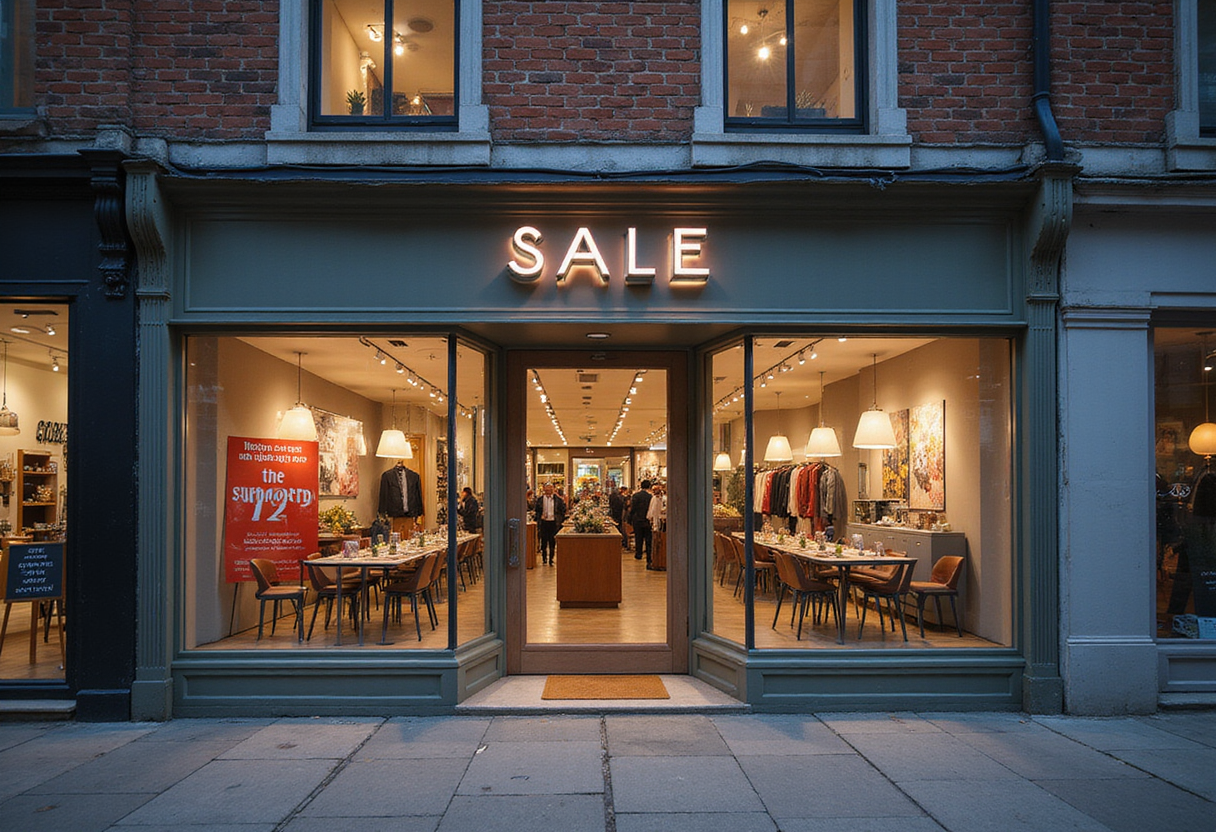
Steve Madden, which paid £289 million ($360 million) in cash for Kurt Geiger in January 2025, has hired Solomon Partners to explore a sale of the British brand's luxury footwear concessions business, according to a Sky News report. Sources told Sky News the process "was at an early stage."
The unit under review manages the shoe departments at Harrods and Selfridges in London — concession real estate that has shaped how luxury footwear brands reach London department store shoppers for decades. Footwear News has reached out to Steve Madden and Kurt Geiger for comment. Neither company has confirmed the process, and no buyer, valuation or timeline has surfaced.
Why does the concession business matter?
Kurt Geiger has operated at the center of London's high-end footwear market since opening its first boutique on Bond Street in 1963. Sky News reports, and industry observers have long noted, that luxury designers have both benefited from and resented the company's gatekeeping position — its control over prime department store floor space gives it outsized influence over which brands reach Harrods and Selfridges customers.
A sale would hand that gatekeeping role to a new owner and could reset shelf-space economics for dozens of footwear brands that depend on those channels. For sourcing and wholesale teams, the question is straightforward: who controls allocation, margin terms and brand mix at two of London's most-trafficked luxury retail sites.
What is the strategic logic for Madden?
The reported divestment aligns with Kurt Geiger's stated focus on its accessible namesake brand, which has delivered strong growth in the U.K. and abroad in recent years. Under Madden, the U.S. is the priority growth market, with plans for additional Kurt Geiger stores.
At the time of the January acquisition, Steve Madden chairman and CEO Edward Rosenfeld highlighted Kurt Geiger's international following, accessories focus and direct-to-consumer emphasis, calling the business complementary to Madden's portfolio. Shedding a third-party concessions operation would sharpen that DTC and owned-brand orientation.
What do the numbers show?
Kurt Geiger is already moving Steve Madden's revenue line. In its second quarter 2026 report, released in July, Steve Madden posted total revenue of $665.9 million, up 19.1 percent from $559.0 million a year earlier. Net sales rose 19.2 percent to $662.9 million.
- Wholesale revenue: $407.5 million, up 13 percent year over year
- Wholesale growth excluding Kurt Geiger: 11.5 percent
- Wholesale footwear revenue: up 9 percent, or 7.8 percent excluding Kurt Geiger
The gap between the headline and ex-Kurt Geiger figures indicates the British brand is contributing roughly 1.5 percentage points of wholesale growth — a measure of how much of the deal's value sits in the accessible brand rather than the luxury concessions now on the block.
Who has owned Kurt Geiger before?
The concessions sale would cap a long chain of ownership changes:
- 1972: Mr. Geiger's widow sells the business to the Spitz family, founders of Carvela
- Later: David Spitz sells to House of Fraser under Mohamed Al Fayed, who holds the brand for 20 years
- 2005: Al Fayed sells to a management buyout for £46 million, backed by Barclays Private Equity, which retains a 72 percent stake
- 2008: Barclays sells its stake to Graphite Capital
- 2011: Graphite sells to The Jones Group for $350 million
- 2014: Sycamore Partners backs a management buyout as the Jones Group portfolio is broken up
- 2015: Cinven acquires Kurt Geiger from Sycamore in a $372 million deal
- June 2023: £150 million ($190 million) refinancing from Blazehill Capital and Wells Fargo Capital Finance UK
- January 2025: Steve Madden buys the business for £289 million ($360 million) in cash
What happens next?
With the process at an early stage and no confirmed buyer or price, the immediate watch points are whether Solomon Partners runs a formal auction, which trade and private equity parties engage, and whether any deal carves out the Harrods and Selfridges contracts with long-term guarantees. A completed sale would mark the first major portfolio reshuffle of the Madden-Kurt Geiger combination and redraw the map for luxury footwear distribution in London.
via WWD (Source)
More from Tom Whitfield
Show full bio
Market editor covering marketplaces and e-commerce at The Fabric Brief.
173 articles