Swatch card No. SW-8084 · cut November 5, 2026
Brands & Retail BusinessMill spec card
Retail Stocks Rally Up to 9.4% as U.S. Election Result Clears Holiday Outlook
Fashion stocks jumped as much as 9.4 percent after the U.S. election resolved. Analysts now see holiday sales at the top of a 4–7 percent growth range, but tariff relief remains unconfirmed.
- Fiber
- Brands & Retail Business
- Count
- 4 min read
- Cut
- Weight
- 795 words
Spec notes
- Dow rose 3 percent to 53,356.12 on Wednesday as retail stocks rallied post-election.
- Reformation led fashion gainers, up 9.4 percent to $18.41; Gap rose 8 percent to $23.75.
- AlixPartners forecast holiday sales growth of 4–7 percent, with inflation at 3.7 percent.
- Combined tariffs on many children's shoes reach 87.5 percent, per FDRA CEO Matt Priest.
- Lindstrom predicts the Iran war ends 'fairly quickly,' easing oil prices and confidence.
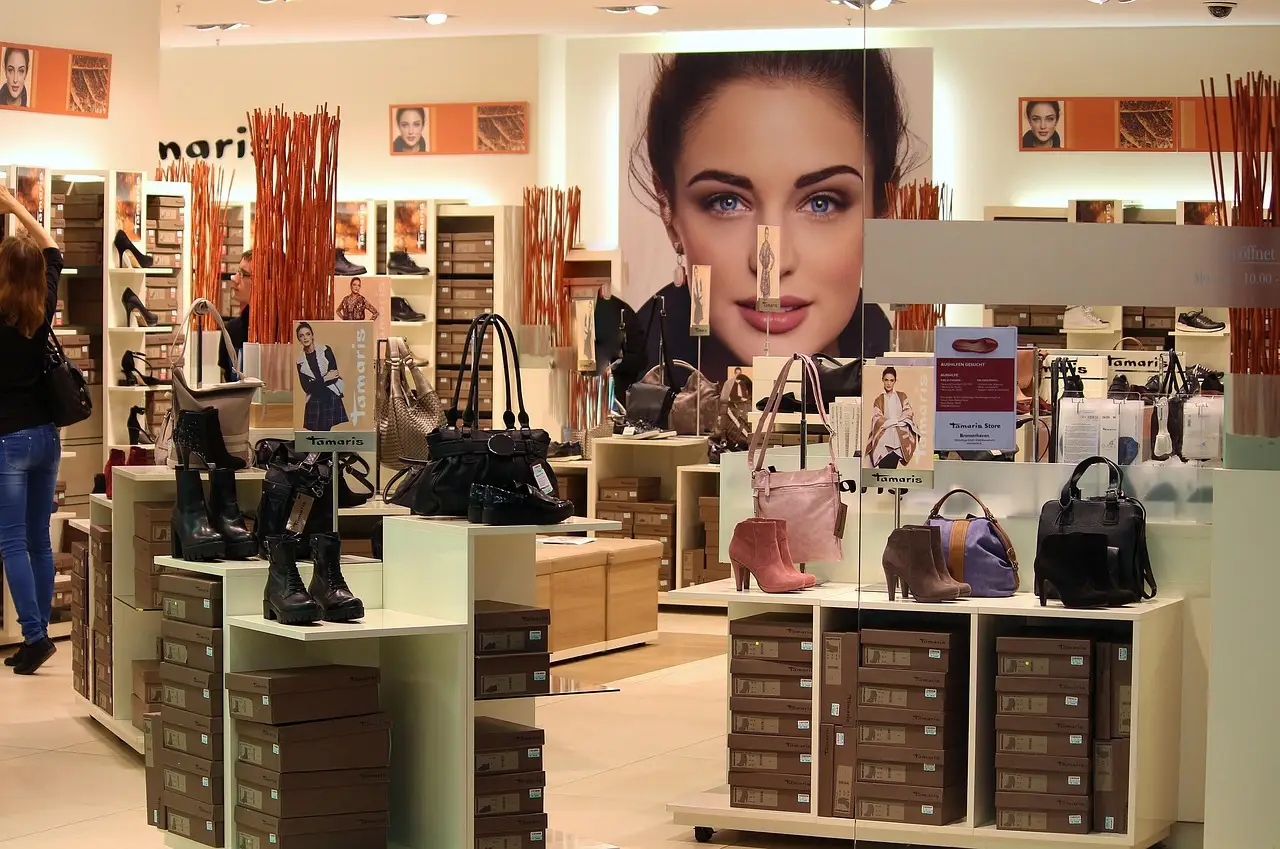
The Dow Jones Industrial Average rose 3 percent to 53,356.12 on Wednesday as fashion and retail stocks rallied up to 9.4 percent, after a definitive U.S. election result put Democrats back in control of Capitol Hill.
The biggest movers in the sector were concentrated in apparel. Reformation Inc. climbed 9.4 percent to $18.41. American Eagle Outfitters Inc. gained 9.3 percent to $21.36. Abercrombie & Fitch Co. rose 8.6 percent to $171.09. Under Armour Inc. added 8.6 percent to $5.58. Victoria's Secret & Co. advanced 8.4 percent to $108.95, and Gap Inc. closed up 8 percent at $23.75.
What does the political result mean for holiday demand?
Sonia Lapinsky, leader of fashion retail at AlixPartners, said the consultancy had forecast holiday growth of 4 percent to 7 percent. With inflation running at about 3.7 percent, the low end of that range implies near-stagnant real sales. She now sees upside risk to the forecast.
"I would surmise that we might be putting ourselves in that higher end of the range, that there might be some more willingness to even spend right now because we're feeling somehow optimistic about what's going on," Lapinsky said.
Martin Lindstrom, founder and chairman of Lindstrom Co., a brand and culture transformation group, was more cautious. He said consumers remain hurting and "very hesitant to believe anything." He predicted the U.S. war with Iran will end "fairly quickly," loosening oil supply and, with it, consumer confidence.
"The oil price is directly linked with any consumer confidence. We would see the confidence going back in the minds of the U.S. population fairly quickly," Lindstrom said.
Will value scrutiny ease?
No. Lapinsky argued shoppers have become more discriminating, not less, and that product quality has become a credibility problem for the industry.
"They're frustrated by increases in price when they're not seeing a commensurate or even equal level of quality," she said. "We're living in a polyester world, even though we're paying for silk and wool. Everything's a blend and synthetic and the consumer is finally caught up, is doing their own research and frustrated as heck."
For sourcing teams, that complaint reads as a warning on fiber-content claims and cost engineering. The consumer has closed the information gap.
Lindstrom expects Europe to stay weaker, predicting the region "will be on the brink of a recession for a very long time" heading into winter, when oil supply matters most. He called the U.S. holiday season "sluggish" — "It won't be a boom, but it won't be a disaster either" — and said a disastrous season was likely had the political shift not occurred.
What about trade policy and tariffs?
Industry associations moved immediately to press the new Congress on affordability. Matt Priest, president and CEO of the Footwear Distributors and Retailers of America, noted combined tariffs on many children's shoes reach 87.5 percent.
"Every child heading to school, every nurse reporting for a shift, and every worker earning a paycheck needs shoes. Yet footwear remains among the most heavily taxed consumer products in America," Priest said.
Steve Lamar, president and CEO of the American Apparel and Footwear Association, called affordability the number-one voter issue but said it "remains to be seen" whether trade policy actually changes. He set a blunt test for the new Congress.
"If these newly elected officials are serious about responding to the electorate's concerns, reducing tariffs on everyday essentials should be on their desks before their nameplates are," Lamar said.
The distinction matters for sourcing managers. A tariff rollback is an intention, not a confirmed measure. No bill, timeline or revenue offset has been named, and footwear duties have survived similar calls before.
What lesson do brands take from the election?
Greg Portell, lead partner, global markets at Kearney, drew a direct line between campaign messaging and retail pricing strategy.
"The biggest lesson retailers can take is that it's important to talk to consumers in their own terms," Portell said. "For retailers, that means being smart about their pricing. It means being smart about how they position their brand against the consumer reality. It comes down to an honesty and a trust that is built on being forthright."
Marcie Merriman, cultural anthropologist and founder of Ethnos Innovation, said demographic segmentation no longer guarantees loyalty. The comebacks at Coach, Ralph Lauren and Victoria's Secret rested on better product and better customer understanding, not on audience assumptions.
With a stock rally priced in and a tariff agenda unlegislated, the practical question for supply-chain planners is whether the confidence boost survives the first post-election payroll of the holiday season.
via WWD (Source)
More from Priya Raman
Show full bio
Correspondent covering people, launches and day-to-day practice in fashion industry as a trade and business at The Fabric Brief.
306 articles