Swatch card No. SW-7940 · cut October 10, 2026
Fashion TechMill spec card
NRF maps fashion tech and AI innovators shaping next retail chapter
The National Retail Federation published an editorial package on fashion tech, AI and the founders building retail's next tooling layer, framing deployment categories for sourcing teams.
- Fiber
- Fashion Tech
- Count
- 3 min read
- Cut
- Weight
- 567 words
Spec notes
- NRF feature titled 'Fashion tech, AI and the innovators shaping retail's next chapter' distributed through federation editorial channel
- Coverage organised across three categories: fashion-technology infrastructure, applied AI, founder-operators
- AI applications grouped under demand forecasting, visual search, customer-service automation, returns processing and pricing optimization
- Source package does not name specific companies, deal values or deployment timelines
- Editorial weighting appears to favour operators with production-ready reference accounts over concept-stage announcements
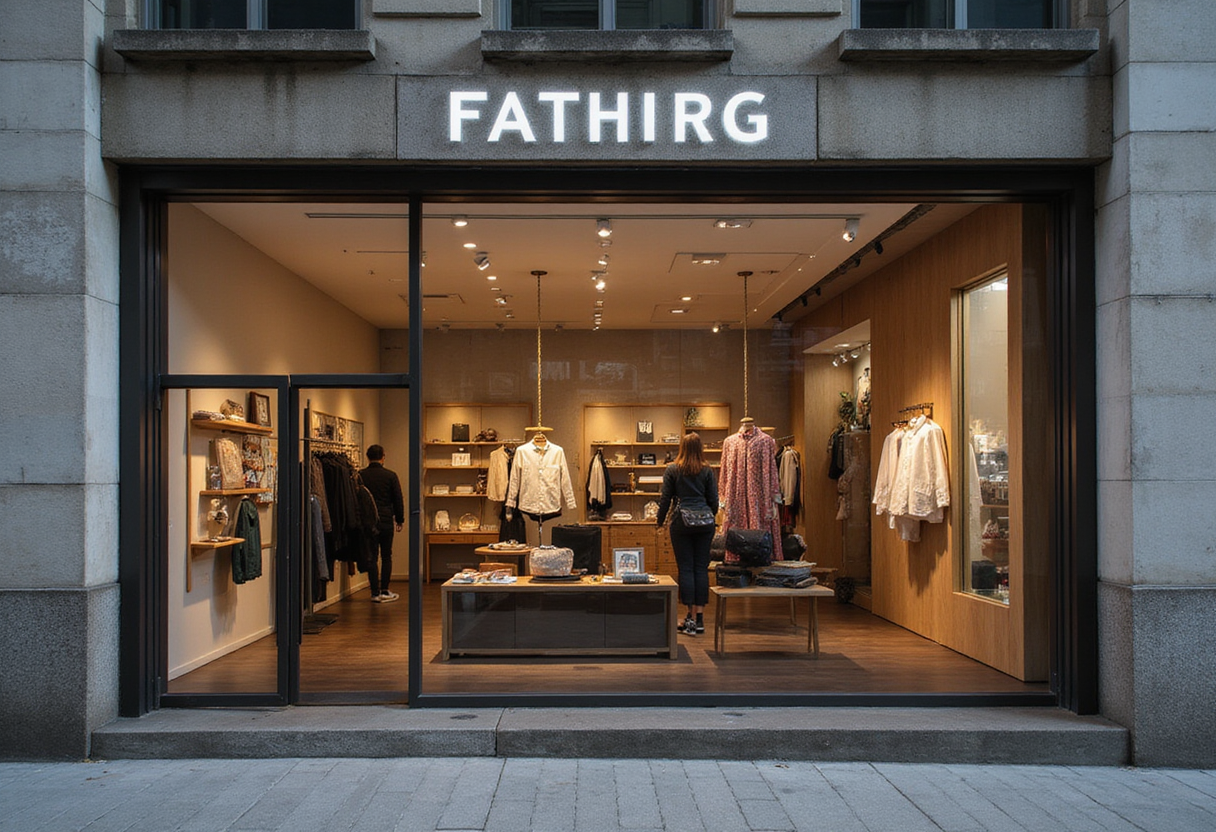
The National Retail Federation published a feature headlined "Fashion tech, AI and the innovators shaping retail's next chapter" through its editorial channel, packaging the topic as a roadmap for retail's technology buyers.
The article positions three categories at the centre of retail's planning cycle: fashion-technology infrastructure, applied AI across merchandising and operations, and the founders and operators building the next retail stack. Brand, vendor and sourcing teams reading the package will use it as a directional signal for capital deployment rather than as a confirmed transaction log.
What does NRF mean by "fashion tech"?
The federation's framing covers the systems layer that links product data, supplier onboarding and inventory visibility across channels. For brand sourcing teams, that category overlaps directly with product lifecycle management, vendor integration and order-management tooling decisions that already absorb a measurable share of technology spend.
The category extends to digital product creation, 3D sampling and supplier-portal connectivity that compress the development-to-production cycle. Trade readers sourcing from multi-tier vendor networks should expect this layer to attract continued procurement focus.
Where does AI sit in the package?
The feature groups applied AI under merchandising and operations functions:
- Demand forecasting and assortment planning
- Visual search and product discovery
- Customer-service automation
- Returns processing and fraud screening
- Pricing and promotion optimization
Each application connects back to unit-cost decisions, lead-time compression and channel-mix planning, which is where sourcing and supply-chain teams will see the practical impact on margin and inventory turns.
Who counts as the "innovators"?
NRF's headline groups founders and operators building tooling, platforms and services for retail buyers. For trade readers, the relevant filter is deployment stage: which vendors run at scale with named brands, and which remain in pilots that have not yet translated into measurable margin or throughput gains.
The federation's editorial selection suggests weighting toward operators with production-ready reference customers rather than concept-stage announcements. That filter matters for sourcing teams vetting new partners, because vendor financial stability and integration depth are core risk variables in any tooling rollout.
What does the package signal for sourcing and supply-chain decisions?
The federation's editorial selection functions as a sentiment indicator. Coverage weight on AI and fashion tech signals that retail's capital deployment for the next planning cycle will continue to favour tooling that touches margin, lead time and channel allocation.
Sourcing teams evaluating new vendor relationships should expect procurement counterparts to reference this category set when justifying technology spend. The piece also implies that retail's innovation pipeline will continue to be read through the lens of brand-vendor partnerships, with named production deployments carrying more weight than press-release partnerships.
What remains unverified?
The NRF package as distributed does not name specific companies, deal values or deployment timelines. For trade readers mapping the category, the feature is a directional marker from the federation, not a verified transaction ledger. Treat each named operator or vendor reference inside the federation's package as a claim to verify rather than a confirmed deployment.
Looking ahead, sourcing and supply-chain teams should treat the NRF editorial frame as a starting point for vendor evaluation rather than a finished sourcing map. The next round of category signals will come from named deployments and measured margin or throughput results reported by brands that have already committed to those tooling categories.
via Google News: Fashion tech (Source)
More from Priya Raman
Show full bio
Correspondent covering industry trends and analytics at The Fabric Brief.
159 articles