Swatch card No. SW-7091 · cut October 14, 2026
Trade & TariffsMill spec card
Moody's Lifts Retail and Apparel Outlook on Easing Tariffs
Moody's has upgraded its retail and apparel sector outlook, citing easing tariffs — a directional signal for margins, sourcing plans and credit conditions across the industry.
- Fiber
- Trade & Tariffs
- Count
- 2 min read
- Cut
- Weight
- 410 words
Spec notes
- Moody's upgraded its outlook for the retail and apparel sector.
- The agency cited easing tariffs as the reason for the more positive view.
- The revision signals improved credit expectations for retailers and apparel brands.
- Company-level ratings will still depend on leverage, inventory and demand.
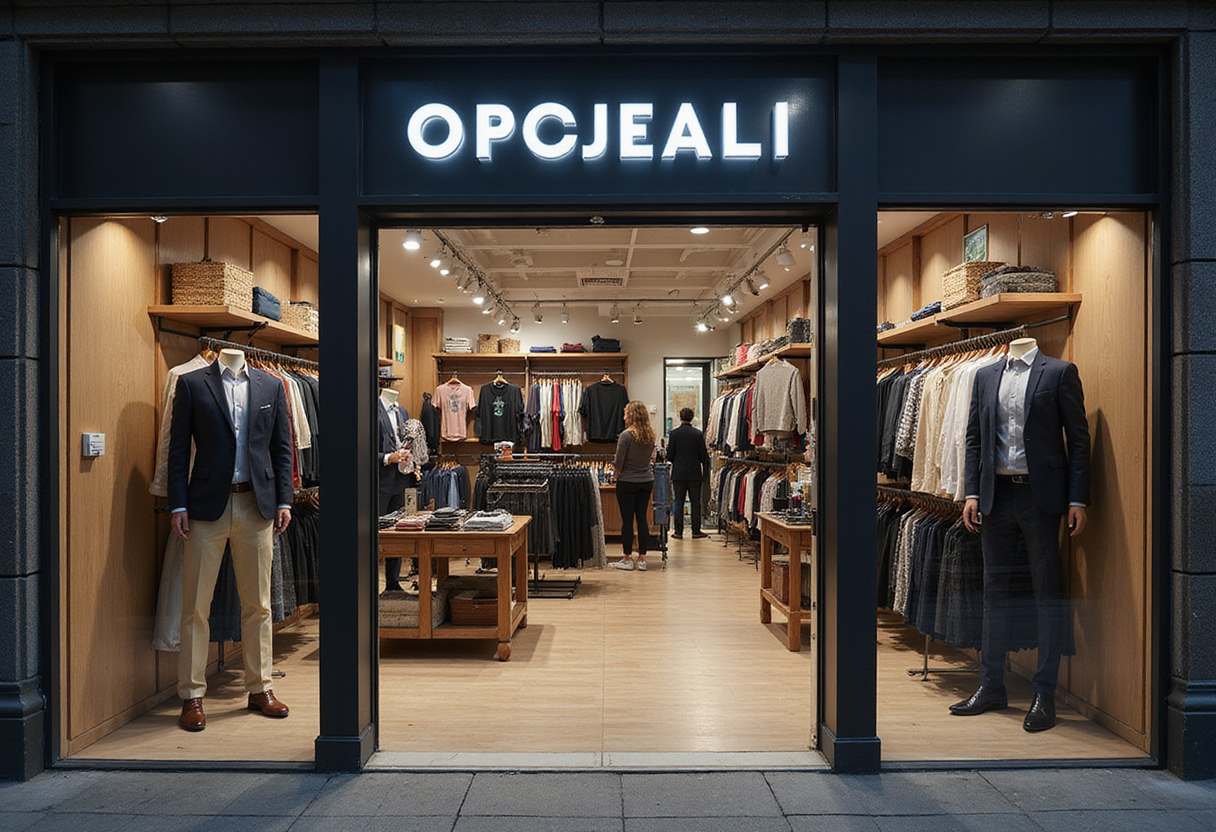
Moody's has upgraded its outlook for the retail and apparel sector as tariffs ease, shifting its stance on an industry that spent much of the past two years absorbing trade-cost pressure. The revision signals improved credit expectations for retailers, apparel brands and their suppliers heading into the next planning cycle.
For sourcing and supply-chain professionals, an agency outlook change functions as a leading indicator. It reflects Moody's judgment on margins, debt service and cash flow across the sector — the variables that determine how much room brands have to absorb input costs or reinvest in vendor relationships.
What does the upgrade change?
An upgraded outlook does not raise any company's rating by itself. It marks a directional judgment. Moody's now expects credit conditions across retail and apparel to strengthen rather than deteriorate, citing the easing of tariff pressure as the proximate cause.
That matters for three reasons:
- Cost planning. Brands that spent 2025 building tariff buffers into landed-cost models may find room to release them, or to renegotiate price terms with vendors.
- Working capital. Improved credit expectations can lower financing costs for retailers carrying inventory financed on debt.
- Sourcing decisions. Firms that shifted order placement to manage tariff exposure may reassess country mix and lead-time trade-offs.
Tariffs drove the prior caution
Moody's earlier caution on the sector rested heavily on tariff escalation, which squeezed retail margins and raised landed costs across apparel import channels. The agency's decision to revise upward now indicates it sees that pressure receding rather than persisting.
The change arrives as brands finalize sourcing plans and price architectures for coming seasons. A stable tariff environment reduces the variance that has complicated cost modeling since the current round of trade actions began.
Confirmed versus implied
The upgrade itself is confirmed. What remains open is how quickly individual retailers convert easier trade conditions into margin recovery. Moody's outlook applies to the sector broadly; company-level ratings will still depend on leverage, inventory discipline and demand — factors the agency evaluates name by name.
Brands and their vendors should read the revision as a macro input, not a guarantee. Pricing negotiations, capacity bookings and compliance investments still turn on each firm's own numbers.
Moody's will update its sector view as tariff policy and consumer demand evolve, and the next round of company-level rating actions will show which retailers captured the relief and which simply deferred margin pressure.
via Google News: Apparel & textile tariffs (Source)
More from Rebecca Stone
Show full bio
Staff writer covering people, launches and day-to-day practice in fashion industry as a trade and business at The Fabric Brief.
187 articles
Also on the board
- Tariffs Exposed the Limits of Apparel Sourcing, Not Its Rewiring
- US Tariff Update Keeps Pressure on Apparel, Cotton Sourcing Costs
- Tariffs Push Sourcing Shifts, But Fashion Sector Holds Course
- Supply Chain Dive Flags Four Fashion Sourcing Trends for 2026
- Apparel Sales Rebound Holds Despite Tariffs and Consumer Anxiety