Swatch card No. SW-6736 · cut November 10, 2026
Apparel ManufacturingMill spec card
Machinery Alone Won't Deliver: Bangladesh Told to Fix Engineering Gaps
Bangladesh's textile capacity push needs engineering capability to convert into profit, ITET's Nixon says, flagging energy costs and ROI-first technology adoption as priorities.
- Fiber
- Apparel Manufacturing
- Count
- 4 min read
- Cut
- Weight
- 722 words
Spec notes
- ITET Secretary General Engr. ASM Hafizur Rahman Nixon says two factories with similar machinery can achieve very different results based on engineering capability.
- Nixon argues the quickest productivity gains come from eliminating existing losses, not buying more machinery.
- He urges ROI-tested pilots before investing in AI, computer vision and digital monitoring, citing capital cost, integration and cybersecurity as assessment criteria.
- Energy reliability — gas shortages, pressure fluctuations and rising costs — is named a major competitiveness concern for Bangladeshi textiles.
- TET is positioned to promote energy audits, technical training and adoption of proven energy-saving technologies.
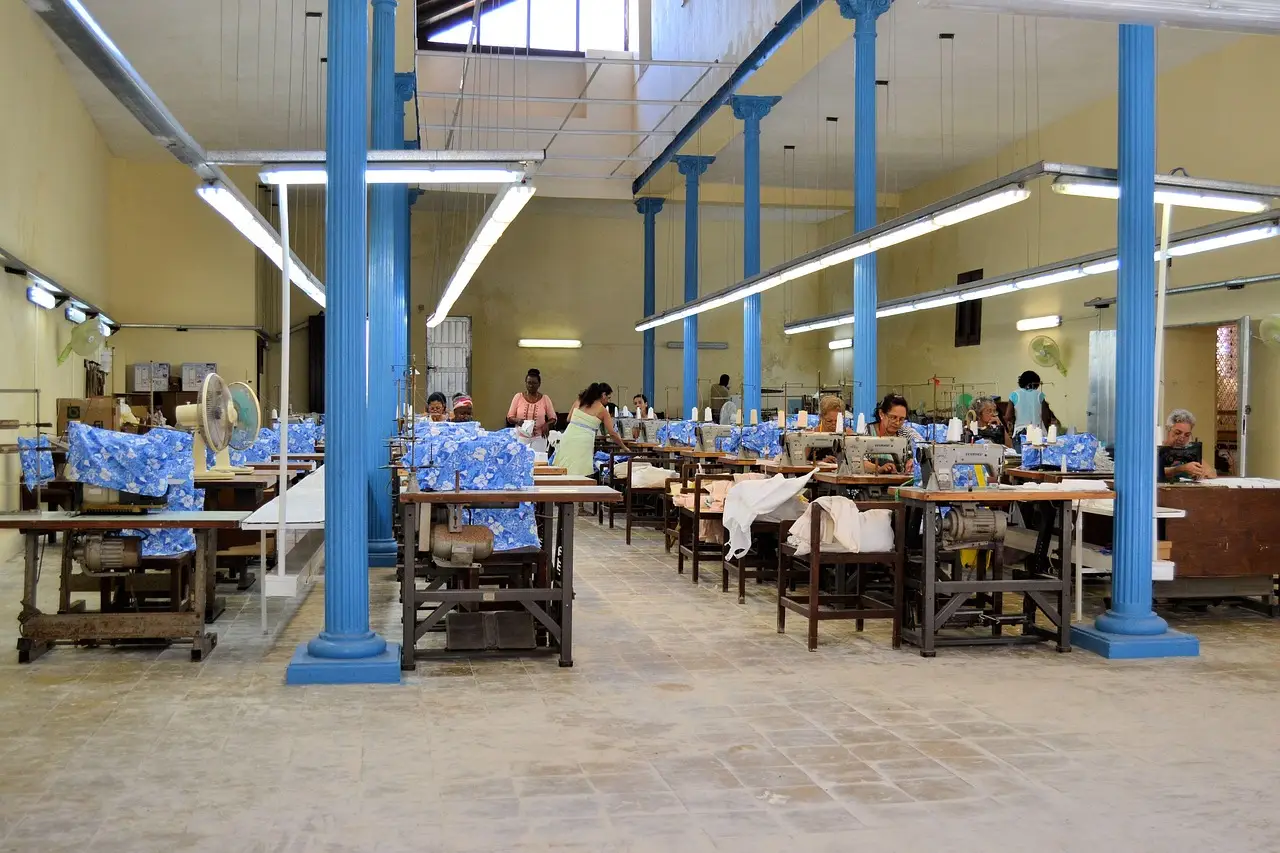
Two factories running the same machinery can post very different margins. Engr. ASM Hafizur Rahman Nixon, Secretary General of the Institute of Textile Engineers and Technologists (ITET), says process control, maintenance discipline and energy management — not equipment — now decide which Bangladeshi plants win cost contracts.
Bangladesh has spent heavily on modern textile machinery and capacity. Nixon, speaking to Textile Today, calls that investment necessary but insufficient. "Machinery alone does not guarantee competitiveness," he said. "The real value comes from how efficiently we operate, maintain, and continuously improve these assets."
His diagnosis: the industry must shift from a machine-centered approach to an engineering-led one. That means using production data to locate losses, applying scientific methods to recurring problems, cutting defects and rework, and lifting overall equipment effectiveness (OEE, the share of running time that produces good output).
Where are the gains hiding?
Nixon identifies four areas: process losses, machine utilization, energy and water consumption, and production planning. The specifics differ by stage.
- Spinning: yarn quality improvement, waste reduction, optimized machine settings.
- Dyeing and finishing: recipe management, process control, machine loading and first-time-right production to cut water, steam, chemical and processing time.
- Apparel: line balancing, skill development, workflow design and real-time monitoring to raise output without new machines.
He flags a cross-stage problem too. Weak coordination between spinning, knitting, dyeing, finishing and garmenting pushes delays, excess inventory and extra cost downstream. Factories should set measurable performance indicators, rank losses by financial impact, and fix the biggest first.
The claim worth noting: "The quickest productivity gain often comes from eliminating existing losses rather than purchasing additional machinery." No figures accompany it. Buyers and competitors should treat it as a management argument, not a measured result.
How should factories vet new technology?
Nixon applies a clear test to AI, automation, computer vision and digital monitoring: start with the business problem, not the technology. Value depends on the application, data quality and the factory's ability to implement.
His recommended sequence: define the problem, set a baseline, calculate expected return, run a pilot. Assess capital cost, integration requirements, maintenance, employee training, cybersecurity and technical support availability before committing.
Concrete use cases he cites: computer vision for fabric defect detection, digital monitoring to expose machine downtime, predictive maintenance against breakdowns, and AI-driven process optimization where reliable production data exists. The evaluation yardstick should be measurable — lower defect rates, reduced downtime, higher output per operator, lower energy use, shorter cycles.
"Technology adoption should be driven by measurable productivity gains, not by the fear of being left behind," he said. A successful pilot with clear return beats an expensive system employees cannot use.
Can engineering blunt the energy problem?
Energy has become a competitiveness factor for Bangladeshi textiles. Gas shortages, pressure fluctuations, rising costs and dependence on alternative fuels disrupt production and raise operating expenses — a direct hit on cost-per-kilogram for dyers and finishers.
Nixon lists the engineering levers: systematic energy audits, improved boiler and thermal systems, condensate and heat recovery, efficient motors, variable-frequency drives (devices that adjust motor speed to demand), compressed-air optimization and better process scheduling. In wet processing, controlling temperature profiles, liquor ratios (the water-to-fabric weight ratio in dyeing), machine loading and steam use can cut energy without hurting quality.
He also points to rooftop solar, energy storage where viable and alternative energy arrangements, each judged on technical and financial merit. His caveat is sharp: energy efficiency must run as a continuous engineering discipline, not a one-time cost-cutting exercise. Factories should track energy per kilogram of fabric against defined targets. ITET's technical arm, TET, can promote audits, training and proven energy-saving technologies.
What changes for engineers themselves?
Nixon wants engineers to move beyond machine operation into business-facing problem-solving. That requires skills in data analysis, automation, digital systems, project management and financial evaluation — and the ability to pitch improvements in cost-and-benefit terms. Management, he argues, must give engineers room to lead projects and join strategic decisions.
ITET plans to push industry–academia collaboration, technical training, research and international knowledge exchange, plus stronger professional recognition so engineers can reach senior leadership roles. How quickly factories act on the loss-elimination agenda, rather than on further capacity spending, will shape Bangladesh's cost position in the next sourcing cycle.
via textiletoday.com.bd (Source)
More from Priya Raman
Show full bio
Correspondent covering people, launches and day-to-day practice in fashion industry as a trade and business at The Fabric Brief.
321 articles
Also on the board
- Bangladesh RMG Experts Urge Move Beyond Traditional Production
- Textile Today urges innovation ecosystem build-out for Bangladesh apparel
- Industrial Upgrading the Next Test for Bangladesh Supply Chains
- Bangladesh Garment Slump Triggers Mass Layoffs, Factory Closures
- Bangladesh Garments at a Crossroads: Tech and Green Manufacturing