Swatch card · cut November 27, 2026
Brands & Retail BusinessMill spec card
Kolor's First Global Collaboration Under New Creative Lead Is a Zara Deal
Kolor launches a global Zara collaboration on December 3 — womenswear, menswear and a first childrenswear line — its first global deal under creative director Taro Horiuchi, who succeeded founder Junichi Abe in 2025.
- Fiber
- Brands & Retail Business
- Count
- 4 min read
- Cut
- Weight
- 775 words
Spec notes
- Kolor's global Zara collaboration launches December 3, 2025, with a Tokyo pop-up on December 2.
- The collection covers womenswear, menswear and childrenswear — Kolor's first kids' line.
- Taro Horiuchi became creative director in 2025, succeeding founder Junichi Abe.
- Antwerp's tuition has risen from about €1,000 per year to €13,000–€25,000 for non-EEA students.
- Horiuchi praised Zara's fabric quality and response speed as the collaboration's operational draw.
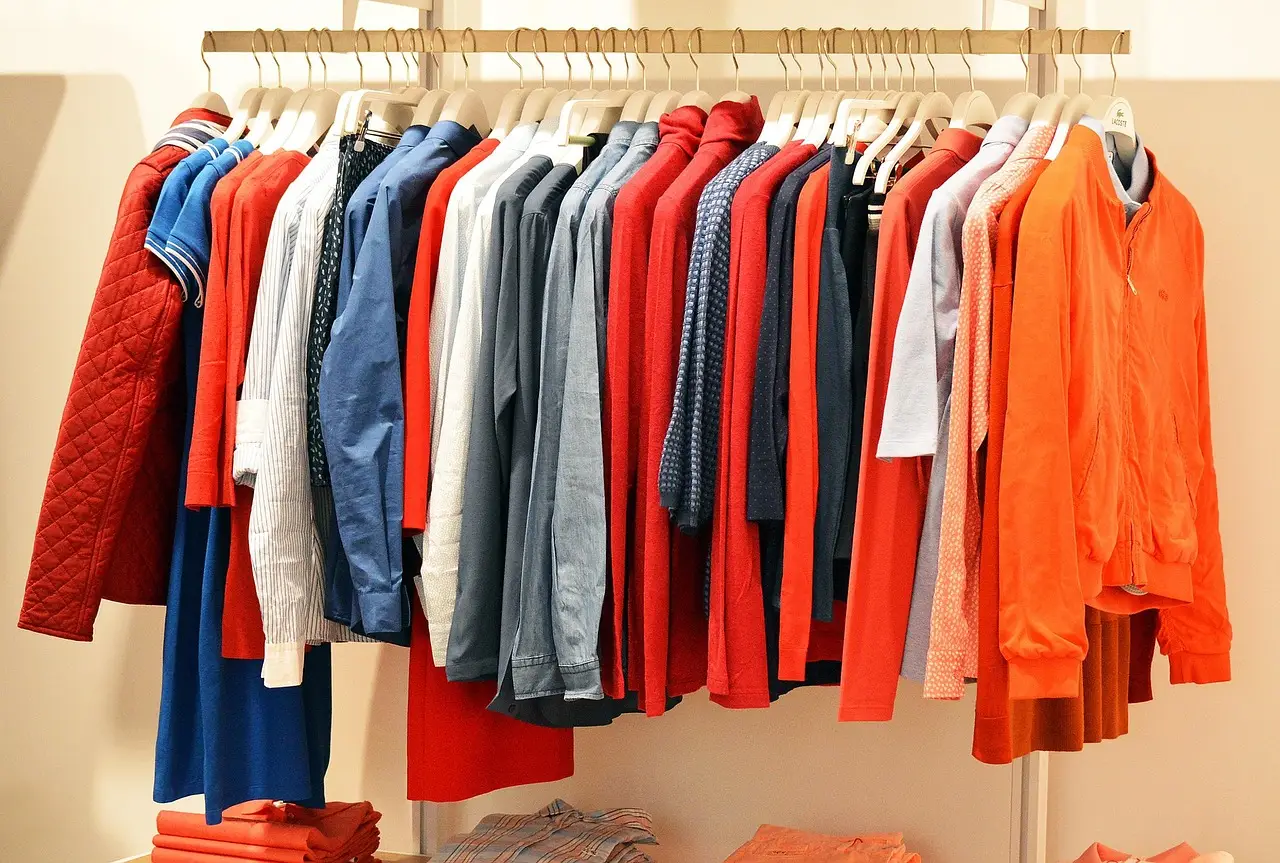
Kolor will launch a global collaboration with Zara on December 3, preceded by a pop-up in Tokyo on December 2 — the Japanese label's first global collaboration since Taro Horiuchi took over creative direction from founder Junichi Abe in 2025.
The deal spans womenswear, menswear and childrenswear. The children's range is a first for Kolor, and Horiuchi is candid about why it stretched the team: the core commercial challenge was expressing the brand without its usual high pricing and intricate construction details.
"We wanted to make good, interesting clothes regardless of whether it was for children or adults," he said. Childrenswear also brought hard compliance constraints, both in the textiles permitted and in the small size of accessories and garment parts. He described that as a learning experience the team took on happily.
What does the collaboration change for Kolor's production model?
The theme, "World Uniform", applies the label's house method — taking a basic garment and turning it into something slightly different — at Zara's volume and cost level. Horiuchi frames the customer mismatch squarely: Kolor's fans sit on the cutting edge and seek novelty; Zara shoppers buy for daily life. The design brief, in his words, was "the perfect balance between familiar and inspirational."
The manufacturing side appears to have been the genuine draw. Horiuchi said he was struck by "the very high quality of fabrics and operations that Zara offers" and by product quality and "the speed of responding" — a direct read on lead times from a designer used to independent-label cadence. He also noted, anecdotally, that Zara's basics shopper is shifting as the retailer stacks up luxury collaborations.
On the rationale for partnering at all, his logic is refreshingly transactional: in any collaboration, it makes no sense to make something you could make alone. "I am very happy to say we managed to realize something that Kolor couldn't have made on its own, and I believe Zara feels the same way about us," he said. Translation for sourcing teams: Inditex's supply chain is the asset being rented; Kolor supplies the design signature.
Who pays for the founder-to-successor transition?
Horiuchi took over a house whose founder remains involved — a structure now common across luxury, with Julian Klausner at Dries Van Noten and Haider Ackermann at Tom Ford cited as parallels. He feels the pressure and respects Abe, but declined to call the model a success recipe. Brand DNA, he argues, cannot be built in a day.
His operating instruction came from Abe at the outset of his tenure: "Don't repeat what I could. Just make Kolor unique to you."
On the wider churn of creative directors, he is a slow-fashion skeptic in the literal sense. Things change much faster than when he entered the industry around 2005, and he argues rapid turnover prevents brand and designer from getting to know each other — a compatibility he treats as a precondition for building culture and philosophy, not a nice-to-have.
Is the talent pipeline itself narrowing?
Horiuchi graduated from the Royal Academy of Fine Arts in Antwerp in 2007, where Demna was the year above him and Glenn Martens the year below. He won the Diesel Award at ITS 20 years ago and credits that prize less for the win than for the people it surfaced — he met Matthieu Blazy, now at Chanel, at the Diesel award, and organized an exhibition about Japan with Demna while still a student.
"If you want to tell what the future of the industry will be in 20 years, you should look at who is entering those competitions now," he said, a point with immediate relevance as applications for the 2027 LVMH Prize open.
His concern is cost, and he puts a number on it. Antwerp's tuition was roughly €1,000 per year when he studied; non-EEA students now pay between €13,000 and €25,000 — a 13-to-25-fold increase. Demna, he notes, would not have been at Antwerp had tuition been higher. His suggestion to award organizations is to redirect effort toward scholarships and grants, since the fee structure will otherwise exclude a layer of future designers entirely.
For the trade, the takeaway is twofold. A Japanese design house with founder-level prestige can now use a fast-fashion giant's fabric quality and speed as a production platform, with childrenswear as the compliance-heavy expansion category. And the talent pool that feeds such houses is being priced out at the education stage. Horiuchi's Zara launch on December 3 will show whether the familiar-inspirational balance holds at scale.
via vogue.com (Source)
More from Tom Whitfield
Show full bio
Market editor covering regulation, policy and their impact on fashion industry as a trade and business at The Fabric Brief.
404 articles
Also on the board
- Zivame Enters Kids' Innerwear, Targets Ages 4–14
- Texworld NYC Winter 2026 to Pair Sourcing with Education Push
- Textile Innovation Expo 2026 Repositions Innovativeness as Core Competence
- LifeLabs Appoints Jordi Beneyto-Ferre as Textile Innovation Director
- Kornit to showcase digital textile printing at Performance Days 2026