Swatch card No. SW-4964 · cut October 10, 2026
Wholesale & Trade ShowsMill spec card
Knit Asia Group to Showcase Value-Added Sweater Capabilities at Expo
Knit Asia Group has confirmed a slot in the Factory Innovation Pavilion at the Textile Innovation Expo, where the supplier will showcase value-added sweater manufacturing to brand and sourcing teams.
- Fiber
- Wholesale & Trade Shows
- Count
- 3 min read
- Cut
- Weight
- 663 words
Spec notes
- Knit Asia Group has confirmed participation in the Factory Innovation Pavilion at the Textile Innovation Expo.
- The supplier will showcase value-added sweater manufacturing capabilities to brand and sourcing teams.
- The Factory Innovation Pavilion is positioned as a capability-themed supplier showcase distinct from standard exhibition aisles.
- The announcement does not disclose exhibition dates, hall layout, or new capacity additions tied to the showcase.
- Value-added sweater manufacturing typically bundles yarn sourcing, dyeing, knitting, embellishment and finishing under one supplier.
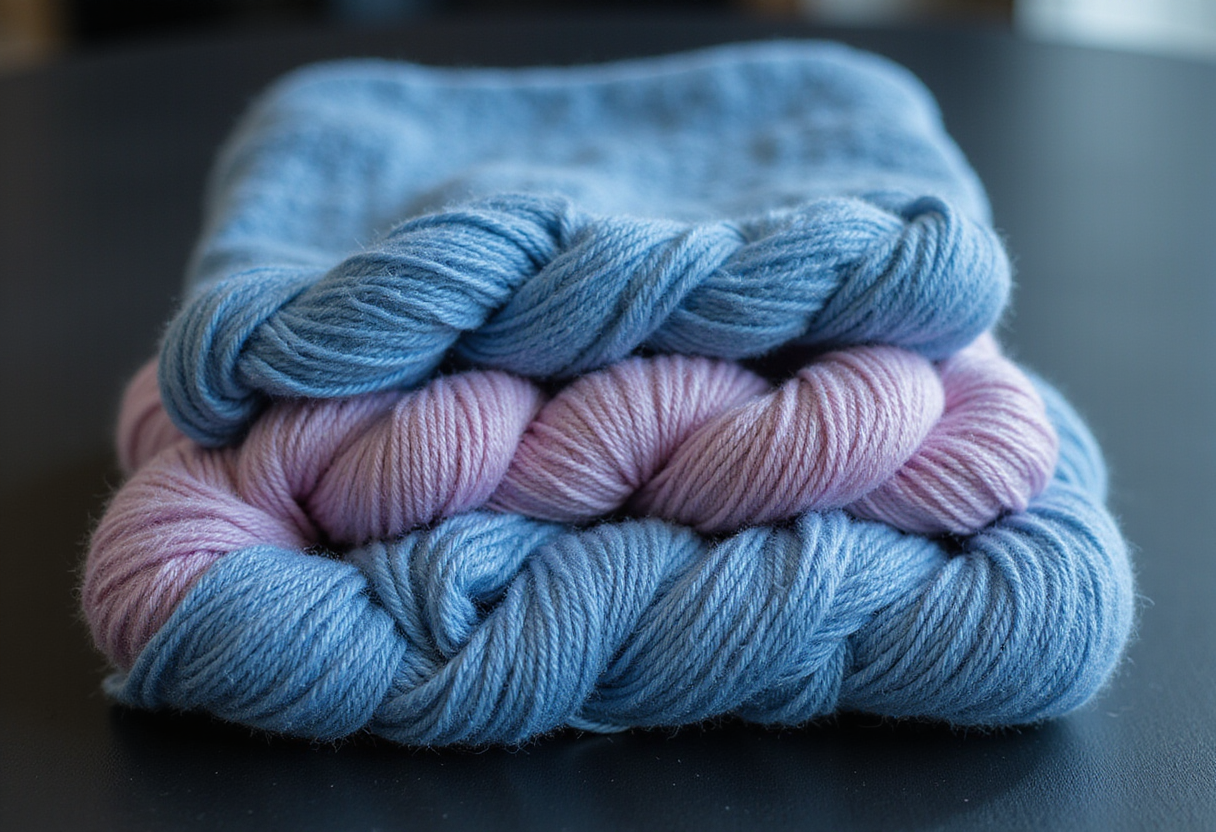
Knit Asia Group has confirmed participation in the Factory Innovation Pavilion at the upcoming Textile Innovation Expo, where the manufacturer will present value-added sweater manufacturing capabilities to brand and sourcing teams.
What does the booking signal?
The booking signals continued investment by knit suppliers in capability-led differentiation at a time when the sweater category is being repositioned around shorter lead times, smaller minimum order quantities, and full-package service. The Factory Innovation Pavilion, as branded by the expo, is designed to surface supplier-side innovations that go beyond commodity cut-make-trim offerings, and to do so in a format that compresses the buyer screening process into a single floor visit.
What counts as value-added sweater manufacturing?
For buyers operating in the sweater category, value-added manufacturing typically bundles several services that affect the landed cost calculation. Common components include:
- In-house yarn sourcing and dyeing
- Computerized flat knitting
- Embellishment and appliqué
- Link-seam finishing
- Pre-joined garment dyeing
When these steps sit under one roof, the supplier absorbs intermediate inventory carrying costs and reduces the calendar days between greige fabric and finished goods, a variable that has grown in weight in recent seasons as ocean freight variability and retailer inventory discipline have both tightened. The trade-off for buyers is a higher per-unit price, offset by lower transaction costs and a shorter sampling-to-production loop.
Why a pavilion format?
The move reflects a pattern observed across knitwear sourcing hubs: mid-tier factories seeking direct access to brand sourcing offices are bypassing traditional trade show aisles in favor of curated, capability-themed pavilions. The trade-off is a smaller visitor pool per show, but a higher conversion ratio per contact, because the pavilion format pre-qualifies attendees on intent and concentrates decision-makers in a defined footprint.
What will sourcing teams want to see at the booth?
The Textile Innovation Expo is positioning the Factory Innovation Pavilion as a venue for suppliers to demonstrate process improvements, certification status, and capacity utilization data rather than product aesthetics. For Knit Asia Group, exhibiting inside that structure allows the company to present operational metrics, machine counts, and compliance documentation to sourcing managers who otherwise screen suppliers through third-party audits and digital sourcing platforms.
The announcement does not specify which buyers the supplier is targeting, nor does it disclose the dates of the exhibition, the hall layout, or any new capacity additions tied to the showcase. Knit Asia Group's customer base, certification portfolio, and unit volumes are not detailed in the release; sourcing teams evaluating the supplier will need to request those documents at the booth or follow up through the expo's matchmaking system.
What does the commitment indicate about capital allocation?
What the booking confirms is that knitwear capacity providers continue to treat trade show participation as a capital allocation decision rather than a marketing expense. A pavilion slot typically involves a multi-month commitment to marketing the appearance, building booth content, and committing senior commercial staff on-site. For mid-sized suppliers competing against vertically integrated conglomerates, that commitment functions as a signal to existing and prospective customers that the supplier is investing in capability, not just chasing orders.
Sourcing professionals attending the expo will be watching for two specific disclosures from participating factories: machine park modernization timelines, which affect lead time reliability, and worker-to-supervisor ratios, which affect both social compliance scoring and throughput. A pavilion format compresses that interrogation into a single floor visit, which is the format's main commercial logic.
The Textile Innovation Expo's Factory Innovation Pavilion will host multiple suppliers under the same architectural identity, making side-by-side comparison easier for buyers running time-constrained sourcing trips. Whether that comparison converts into orders for Knit Asia Group will depend on the supplier's ability to translate its value-added offering into per-unit cost savings that offset the price premium a finished-goods buyer typically pays for bundled services.
via Google News: Textile innovation & smart textiles (Source)
More from Tom Whitfield
Show full bio
Market editor covering marketplaces and e-commerce at The Fabric Brief.
173 articles
Also on the board
- Dragon Group to Exhibit Value-Added Sweater Manufacturing at Expo
- Shima Seiki sets fashion technology trade show appearance
- SHIMA SEIKI to Show Digital Textile Solutions at Apparel Sourcing Week 2026
- Textile Innovation Expo 2026 Repositions Innovativeness as Core Competence
- KARL MAYER Opens Advanced Textile Innovation Center