Swatch card No. SW-7009 · cut October 10, 2026
Textile InnovationMill spec card
Karl Mayer Opens Textile Innovation Center
Karl Mayer has opened its Textile Innovation Center, consolidating R&D and customer testing for warp knitting clients with implications for lead times and capex timing.
- Fiber
- Textile Innovation
- Count
- 3 min read
- Cut
- Weight
- 522 words
Spec notes
- Karl Mayer has officially opened its new Textile Innovation Center.
- The company framed the launch with the statement: "We believe in the value of textiles."
- No throughput, staffing or project pipeline figures for the center have been disclosed.
- The facility is intended for fabric development, testing and customer engagement ahead of capex decisions.
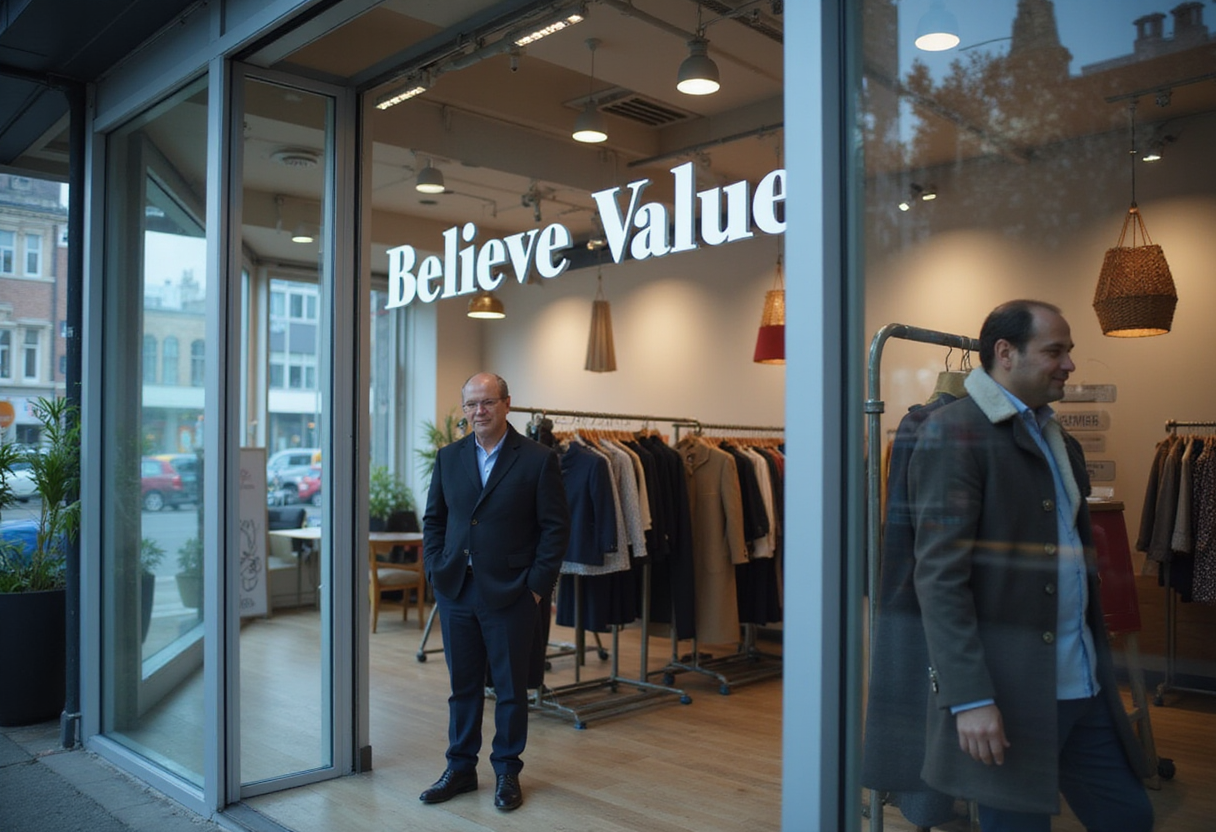
Karl Mayer has officially opened its new Textile Innovation Center, marking the German textile machinery manufacturer's latest move to consolidate development, testing and customer engagement under one roof.
The opening, reported by The Textile Magazine under the headline "We Believe in the Value of Textiles," positions the facility as a working hub rather than a showroom. For sourcing managers and mill operators, the practical significance is straightforward: a manufacturer-funded center where fabrics, processes and machine configurations can be trialled before capital commitments are made on the factory floor.
What does the center mean for buyers?
Karl Mayer, best known for its warp knitting and warp preparation machinery, supplies equipment across apparel, technical textiles, home textiles and lace segments. An innovation center of this type typically gives brands and their tier-two and tier-three suppliers earlier access to new fabric constructions — with direct implications for lead times, sample development cycles and the feasibility of moving production between regions.
The company's framing at the opening — "We believe in the value of textiles" — signals a positioning statement aimed at defending the material's share against nonwoven and plastic-based alternatives in applications such as hygiene, medical and automotive interiors. Whether that translates into commercially available new machinery lines or fabric programs remains to be demonstrated through the center's output over coming quarters.
A pattern across machinery suppliers
The move follows a broader industry pattern. Leading textile machinery producers — including Trützschler, Rieter and itema in their respective spinning and weaving segments — have invested in customer-facing technical centers to shorten development loops and lock in equipment loyalty. For mills in Turkey, India, Bangladesh and Vietnam weighing capex decisions amid volatile order books, access to trial capacity at supplier facilities can defer or redirect investment, affecting when and where new capacity actually comes online.
Karl Mayer has not, at this stage, disclosed throughput figures, staffing levels or a published project pipeline for the new center. Industry professionals evaluating the facility's relevance should treat the opening as a confirmed infrastructure commitment — the building exists and is operational — while treating claims about its downstream commercial impact as intentions rather than measured results.
Cost and compliance angles to watch
For sourcing teams, supplier-backed innovation centers serve three concrete functions worth tracking:
- Fabric feasibility testing ahead of vendor selection, reducing sample rounds and shortening time-to-first-order for new constructions.
- Sustainability validation, as centers increasingly host testing for recycled yarns, low-chemical finishes and energy-efficient process settings that feed directly into brand compliance audits.
- Training and standardization, since machine-side training at the supplier's facility reduces variance when production scales across multiple factories in different countries.
Who pays for access — the machinery maker, the mill or the end brand — remains a commercial question that typically determines how widely such facilities are used by smaller suppliers in cost-sensitive sourcing destinations.
Karl Mayer's next disclosures on center utilization, partnership programs and any fabric or machine launches originating from the site will indicate whether the investment becomes a genuine development node for the industry's supply base or primarily a marketing asset.
via Google News: Textile innovation & smart textiles (Source)
More from Tom Whitfield
Show full bio
Market editor covering marketplaces and e-commerce at The Fabric Brief.
173 articles