Swatch card No. SW-2418 · cut October 20, 2026
Trade & TariffsMill spec card
India–New Zealand FTA Ends Tariffs on Indian Exports from Oct 20
Indian textiles, pharma and leather exports enter New Zealand tariff-free from October 20 under the new FTA, but rules of origin and reciprocal concessions remain unspecified.
- Fiber
- Trade & Tariffs
- Count
- 3 min read
- Cut
- Weight
- 521 words
Spec notes
- Indian exports enter New Zealand tariff-free from October 20 under the bilateral FTA.
- Textile, pharmaceutical and leather sectors gain improved market access.
- The report does not specify rules of origin or reciprocal New Zealand concessions.
- No baseline trade volumes or current tariff rates were disclosed.
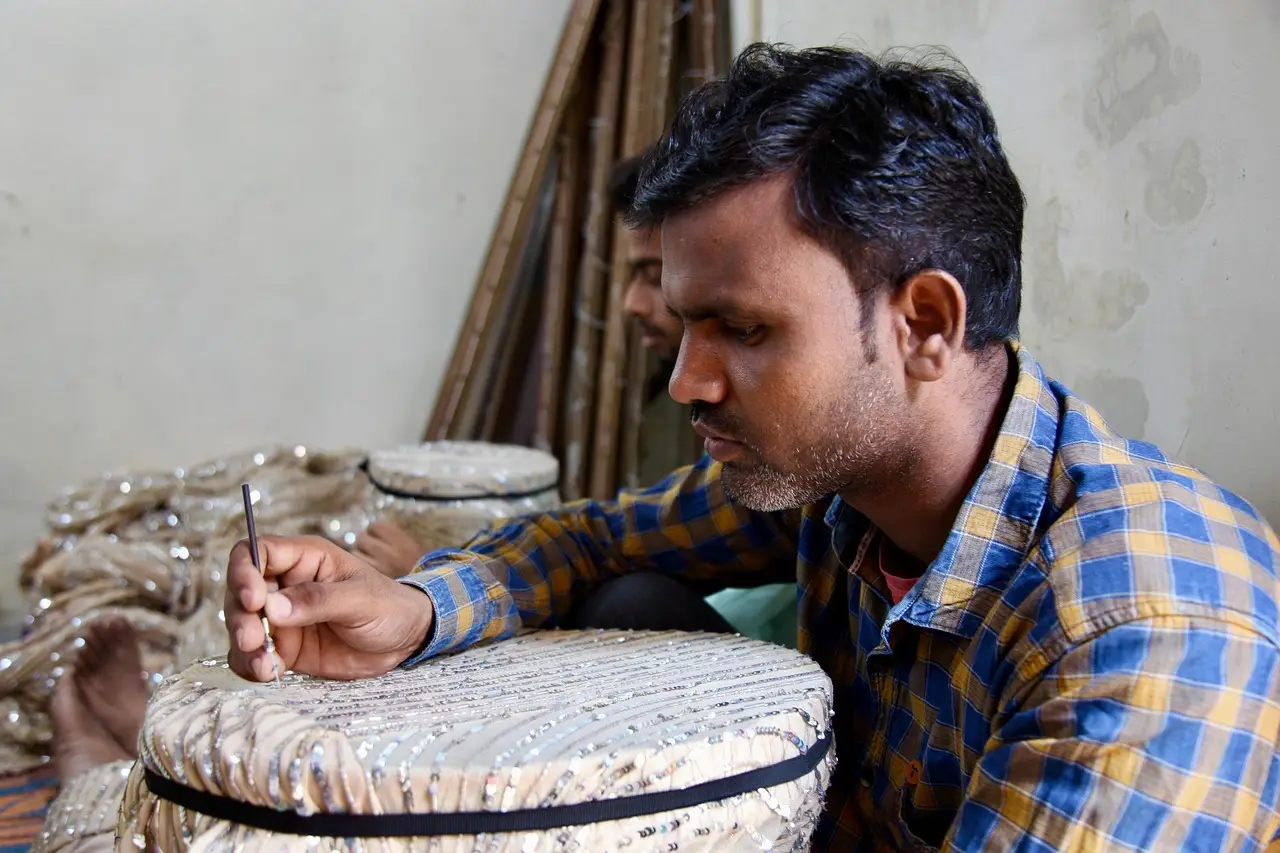
Indian goods enter New Zealand tariff-free from October 20 under the bilateral free trade agreement between the two countries. Textiles, pharmaceuticals and leather stand first in line for improved market access, according to a Livemint report on the deal.
The date matters for sourcing calendars. Shipments leaving Indian ports on or after October 20 qualify for zero-duty treatment, which means export orders negotiated now will price differently depending on delivery schedules. Buyers who can pull shipments forward into the duty-free window capture the margin immediately.
What does the agreement change for textile exporters?
The core change is simple: Indian exports face no tariff at the New Zealand border. For textile and apparel shippers, duty elimination converts a cost disadvantage into parity or better against competitors already trading under preferential terms. Market access gains apply across the three named sectors — textiles, pharmaceuticals and leather — although the report does not break down product-level tariff lines, phase-in schedules or rules-of-origin thresholds.
That omission is not trivial. FTAs (free trade agreements, which reduce or eliminate tariffs between signatory countries) routinely attach qualification criteria to duty-free claims. Without published rules of origin — the sourcing-content tests a product must pass to qualify — exporters cannot yet confirm whether full domestic-content garments, or only partially sourced ones, will clear at zero duty. The report is silent on this point.
Who benefits, and by how much?
The report names beneficiaries by sector, not by company or value. It offers no baseline figures: no current New Zealand tariff rates on Indian textiles, no existing bilateral trade volume, no projected uplift. New Zealand is a small market for Indian apparel compared with the US or EU, so the commercial effect may register more in niche categories — leather goods, technical textiles, home textiles — than in volume apparel programs.
Sourcing managers should treat the announcement as an access change, not a demand change. Duty elimination improves landed cost; it does not create orders. Brands buying from Indian factories will ask vendors to pass tariff savings through, and vendors will argue the saving was never in their price. That negotiation, not the signing ceremony, decides who pockets the benefit.
What is confirmed versus what is promised?
Confirmed: the October 20 effective date and the zero-tariff treatment of Indian exports. Announced but unspecified: the scope of textile categories covered, any Indian-side concessions on New Zealand imports — the report does not say what New Zealand gains in return, which in most FTAs is dairy and agricultural access — and enforcement or safeguard mechanisms.
The silence on reciprocal concessions is the gap to watch. If India opened dairy tariffs, domestic political pushback could slow implementation, a pattern seen in other Indian trade negotiations. No such dispute appears in the report.
What comes next?
Exporters and buyers should now verify product-level tariff schedules and origin documentation requirements with customs authorities before committing orders against the new terms. The agreement's real test arrives in the first quarter of duty-free trade, when clearance data will show whether zero-tariff entries flow as smoothly as the announcement promises.
via Google News: Apparel & textile tariffs (Source)
More from Priya Raman
Show full bio
Correspondent covering people, launches and day-to-day practice in fashion industry as a trade and business at The Fabric Brief.
255 articles
Also on the board
- US Tariffs Pressure Indian Textile Exporters, Industry Body Warns
- US Tariff Question Hangs Over India Textile Exporters
- India–UK Trade Pact Enters Force, Trimming Tariffs and Widening Services
- US Tariff Squeezes Indian Textile Exporters, Industry Body Warns
- India Textile Tariff Relief to Shift Sourcing Edge vs Pakistan, Bangladesh