Swatch card · cut November 19, 2026
Trade & TariffsMill spec card
India Raises Export Support Ceilings, Adds Waterways and 21 States
India's commerce department has amended four Niryat Disha interventions from 17 November 2026, raising the airfare-eligible turnover cap to Rs 50 crore and expanding logistics support to 34 states.
- Fiber
- Trade & Tariffs
- Count
- 3 min read
- Cut
- Weight
- 526 words
Spec notes
- Amendments to four Niryat Disha interventions take effect 17 November 2026.
- Airfare-eligible export turnover ceiling rises from Rs 75 lakh to Rs 50 crore (US $5.34 million).
- Reimbursable compliance certificates expand from 462 to 600 under TRACE.
- Low export-intensity coverage grows from 13 to 34 states and union territories; waterways added as a transport mode.
- Export Promotion Mission carries a Rs 25,060 crore (US $2.68 billion) outlay for FY 2025-26 to FY 2030-31.
India's Department of Commerce has amended the guidelines for four export-support interventions under the Niryat Disha sub-scheme, with the changes taking effect from 17 November 2026. The revisions raise reimbursement ceilings, widen geographic coverage and add new transport modes, targeting micro, small and medium enterprises (MSMEs), first-time exporters and under-represented regions.
The four amended interventions are Market Access Support (MAS), Trade Regulations, Accreditation and Compliance Enablement (TRACE), and Logistics Interventions for Freight and Transport (LIFT).
What changes for market access support?
Under MAS, which funds Buyer-Seller Meets, Reverse Buyer-Seller Meets, trade fairs, exhibitions and other market-access initiatives, the maximum eligible export turnover for airfare reimbursement rises from Rs 75 lakh (US $80,200) to Rs 50 crore (US $5.34 million) in the preceding financial year. Airfare reimbursement now reaches up to 95 percent for micro and small exporters and up to 80 percent for other eligible exporters. The mandatory membership period with Export Promotion Councils has also been cut from six months to three months, lowering the entry barrier for newer exporters seeking subsidized travel to sourcing events.
How does TRACE expand compliance funding?
TRACE supports MSMEs in meeting internationally recognised quality, safety and technical requirements in overseas markets through assistance for compliance-related and quality certifications, and other mandatory and voluntary conformity-assessment requirements. The revised guidelines expand the number of certificates eligible for reimbursement from 462 to 600, widening the scope of subsidised certification for suppliers pursuing regulated markets. For sourcing teams, this signals a larger pool of Indian MSME vendors able to fund testing and certification previously priced out of reach.
What do the LIFT amendments cover?
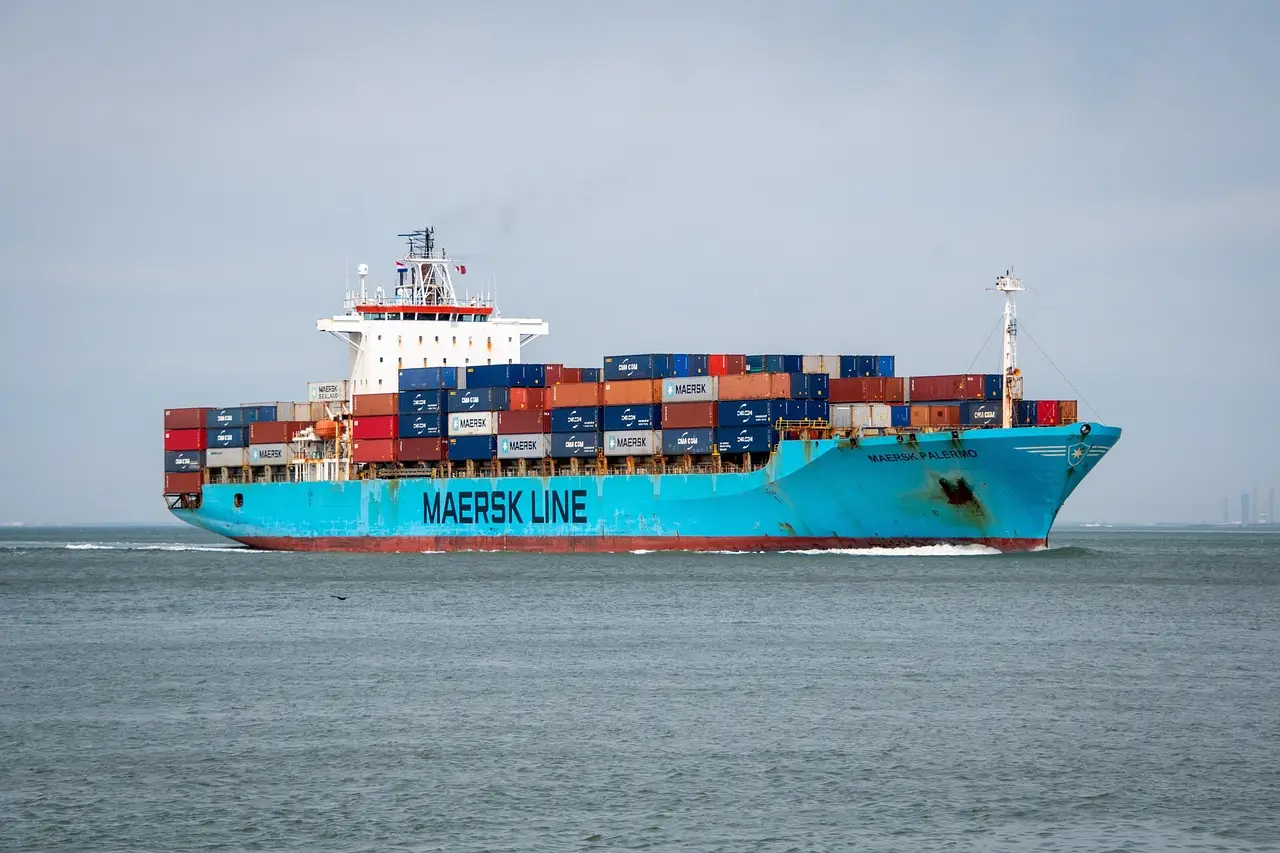
The logistics amendments address geographic disadvantages and logistics gaps faced by MSMEs in areas with low export intensity. Coverage of eligible low export-intensity districts expands from 13 states and union territories to 34. Eligible ports now include Land Customs Stations and Integrated Check Posts, while waterways join road, rail and air as supported transport modes.
Air freight support for export shipments extends to Jammu and Kashmir and Ladakh, in addition to the North Eastern Region. The minimum distance criterion between origin and destination ports falls from 200 km to 100 km, and support now covers all exportable merchandise except products on the negative list.
What is the wider programme behind these changes?
The Union Cabinet approved the Export Promotion Mission on 12 November 2025, with a total outlay of Rs 25,060 crore (US $2.68 billion) covering FY 2025-26 through FY 2030-31. The Mission aims to strengthen India's export competitiveness through targeted financial and non-financial support, focused on MSMEs, first-time exporters and under-represented regions.
The EPM operates through two integrated sub-schemes: Niryat Protsahan, which facilitates access to trade finance, and Niryat Disha, which targets market access and non-financial barriers to exports. A total of 11 interventions under the two sub-schemes have been operationalised so far. With the amended guidelines effective from November 2026, exporters and their overseas buyers can expect broader subsidy access across certification, freight and market-entry costs through the end of the decade.
via Apparel Resources (Source)
More from Rebecca Stone
Show full bio
Staff writer covering people, launches and day-to-day practice in fashion industry as a trade and business at The Fabric Brief.
339 articles
Also on the board
- India's Textile Edge Now Hinges on Capacity, Not Tariffs
- India's Commerce and Textiles Ministries Push to Extend RoDTEP and RoSCTL Beyond December 31
- India Weighs Four-Year Extension of Textiles PLI Scheme with Lower MSME Entry Bars
- India-US Trade Deal Slashes Tariffs, Exporters See Lift
- India–UK Trade Pact Enters Force, Trimming Tariffs and Widening Services