Swatch card No. SW-7012 · cut September 28, 2026
Supply Chain & SourcingMill spec card
H&M Reaffirms Bangladesh as Core Sourcing Hub
H&M has reaffirmed Bangladesh as a key sourcing destination, signalling continuity for one of the country's largest apparel buyers ahead of the next booking cycle.
- Fiber
- Supply Chain & Sourcing
- Count
- 3 min read
- Cut
- Weight
- 513 words
Spec notes
- H&M publicly reaffirmed Bangladesh as a key sourcing destination, per Apparel Resources Bangladesh.
- The retailer ranks among Bangladesh's largest apparel customers; no volume targets or timelines were specified.
- The commitment arrives amid cost pressure on Bangladeshi suppliers and political transition in the country.
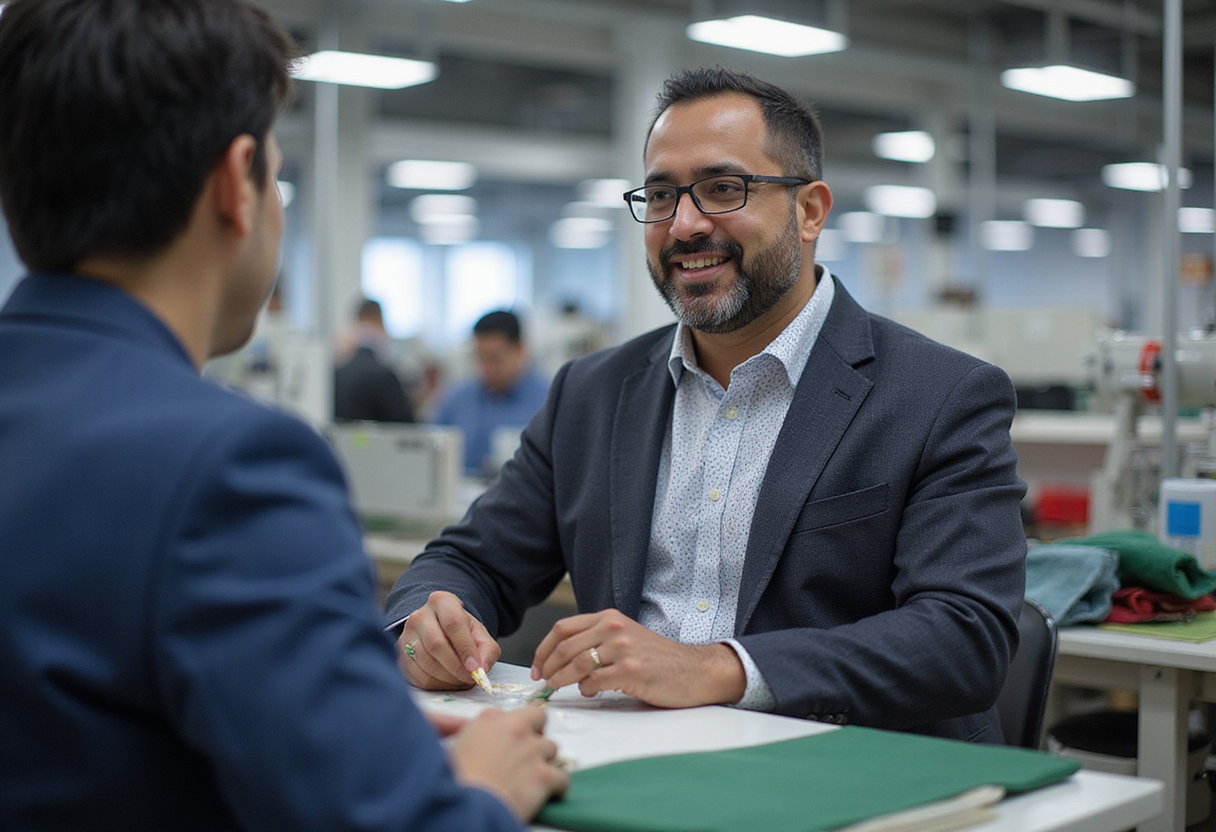
H&M has publicly reaffirmed its commitment to Bangladesh as a key sourcing destination, a signal that will be read closely across the country's supplier base as apparel buyers reassess footprints in South Asia.
The Swedish retailer, one of Bangladesh's largest apparel customers, restated its positioning in a report carried by Apparel Resources Bangladesh. The declaration matters commercially because H&M's order book anchors capacity utilisation at hundreds of Bangladeshi knit and woven factories, from Dhaka-area knitwear plants to Chattogram's woven and denim clusters.
For sourcing managers, a reaffirmation of this kind carries three practical implications. First, it suggests H&M does not plan near-term volume diversion away from Bangladeshi suppliers toward competing origins such as Vietnam, India or Türkiye — a question that has sharpened as buyers weigh lead times, freight costs and tariff exposure across sourcing markets. Second, it indicates continuity for vendors holding H&M programmes through upcoming season bookings, reducing the risk of abrupt order cuts that ripple through subcontractor tiers. Third, it keeps compliance expectations in place: suppliers retaining H&M volume must maintain the retailer's audit, chemical management and wage standards, which remain among the more demanding in the Bangladesh market.
Bangladesh remains the world's second-largest apparel exporter after China, and H&M has for years ranked among its biggest single customers. The retailer's continued reliance on the country reflects the sourcing fundamentals that keep suppliers there competitive: scale across basic and mid-tier categories, short replenishment capabilities in knitwear, and a price position that few origins can match on high-volume programmes.
At the same time, the reaffirmation arrives in a demanding cost environment. Bangladeshi suppliers have faced elevated cotton and yarn input costs, energy constraints and wage increases following the country's minimum wage revision, compressing margins on fixed-price programmes. Vendor negotiators will watch whether H&M's stated commitment translates into pricing that reflects these cost realities, or whether factories absorb the difference.
The statement also lands against a backdrop of political transition in Bangladesh, which prompted some buyers last year to review order exposure. Suppliers and industry bodies have lobbied hard to reassure brands that production and shipments have remained stable, and a public commitment from a top-tier buyer supports that case.
What remains unconfirmed is the detail behind the headline: Apparel Resources' report did not specify volume targets, capacity investments, or a timeline attached to the commitment, and H&M has not publicly quantified how its Bangladesh share of total sourcing will evolve. The retailer periodically discloses supplier-country breakdowns in its sustainability reporting, and the next update will show whether the reaffirmed positioning matches measured order data.
For now, the message to the supply base is continuity. Factory owners investing in capacity, greener mills and compliance infrastructure — the areas where Bangladesh has pushed hardest to defend its position against regional rivals — can plan on H&M remaining a anchor customer. How that commitment translates into volumes and prices in the next booking cycle will be the test suppliers watch next.
via Google News: Apparel sourcing & supply chain (Source)
More from Priya Raman
Show full bio
Correspondent covering industry trends and analytics at The Fabric Brief.
70 articles
Also on the board
- Bangladesh Garment Slump Triggers Mass Layoffs, Factory Closures
- India's Apparel Sourcing Window Reopens—For Now
- 17 Bangladeshi Firms Sign Up for Texworld Apparel Sourcing Paris 2026
- China apparel sourcing reliance eases, but the country stays central in 2026
- Bangladesh Garment Sector Faces Question Over Shock Readiness