Swatch card · cut November 25, 2026
Textile InnovationMill spec card
Goodwill and UpCycle Fiber install NIR sorting line in North Carolina
A five-partner North Carolina project will install NIR-based automated sorting at Goodwill and UpCycle Fiber sites, processing 16.8 million kg of discarded textiles annually from early 2027.
- Fiber
- Textile Innovation
- Count
- 3 min read
- Cut
- Weight
- 564 words
Spec notes
- Automated sorting adds nearly 2,000 kg per hour of capacity, about 16.8 million kg per year at full run.
- Equipment installs at Goodwill Industries of Northwest North Carolina and UpCycle Fiber, operational early 2027.
- NIR spectroscopy identifies fabrics by up to 20 attributes including fiber composition and color.
- Goodwill already handles over 14 million kg of textiles annually, prioritizing resale before recycling.
- Partners include NSF Textile Innovation Engine, UpCycle Fiber, Material Return and The Industrial Commons.
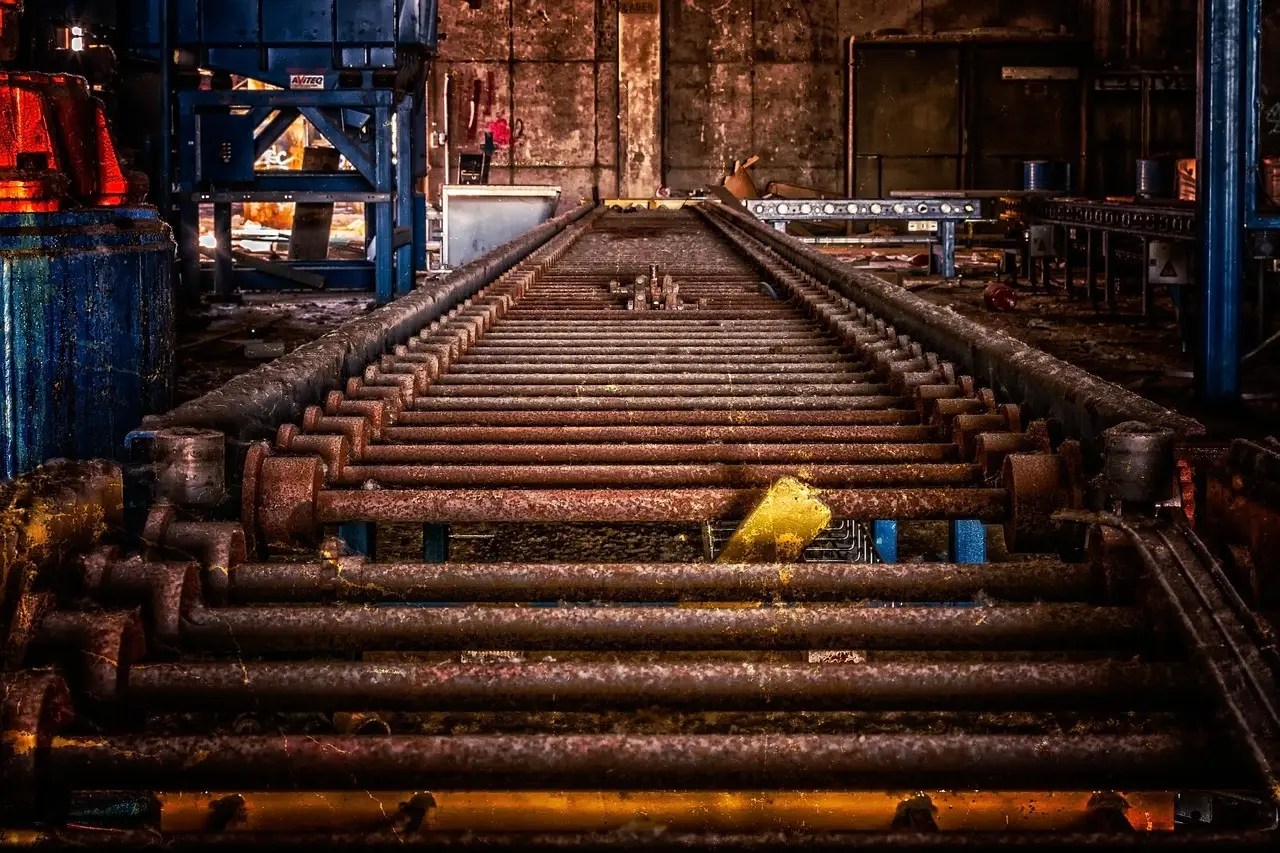
A North Carolina textile circularity partnership will add automated sorting capacity of nearly 2,000 kg per hour, translating to roughly 16.8 million kg of discarded textiles a year once the line reaches full capacity. Goodwill Industries of Northwest North Carolina and UpCycle Fiber will host the equipment, with operations expected to begin in early 2027. The project's stated purpose is commercial as much as environmental: to strengthen the supply of recovered fiber for new manufacturing applications.
Five partners anchor the initiative: the National Science Foundation (NSF) Textile Innovation Engine of North Carolina, Goodwill Industries of Northwest North Carolina, UpCycle Fiber, Material Return, and The Industrial Commons. The NSF and public-private partners back the effort financially.
What does the technology actually do?
The sorting systems use near-infrared (NIR) spectroscopy to identify fabrics against up to 20 attributes, including fiber composition and color. That granularity matters for downstream economics. Fiber identification is the persistent bottleneck in textile-to-textile recycling: without it, non-reusable garments cannot be routed to the correct recycling stream, and contamination degrades the value of the recovered feedstock.
The line will sort textiles that fail resale. Goodwill currently handles more than 14 million kg of textiles annually and will continue to prioritize secondhand resale and reuse, directing only unsellable items into the automated line. Resale retains first claim on volume, in other words; recycling takes the residue.
Who converts the sorted fiber?
Once sorted, the material splits across two processing routes. UpCycle Fiber will convert recovered textiles into fibers for nonwovens and new yarn development. Material Return will apply mechanical recycling to post-consumer and post-industrial waste, producing customized circular yarns.
The configuration is a deliberate supply chain rather than a single-site operation: collection, resale, sorting, recycling and manufacturing sit in one regional chain. Anne Wiper, Chief Executive of the NSF Textile Innovation Engine, said the partnership "connects collection, resale, sorting, recycling, and manufacturing to deliver textile-to-textile solutions."
What does this change for brands sourcing recycled fiber?
David Culp, Co-Founder and Chief Operating Officer of UpCycle Fiber, framed the commercial problem directly. Building reliable markets for recovered fibers is essential to scaling textile recycling, he said, adding that creating new products that use recycled feedstock at scale is more sustainable than relying only on existing markets.
The practical implication for sourcing teams is a domestic, regionally traceable supply of mechanically recycled and recovered fiber with a known composition profile — an alternative to feedstock of uncertain provenance. Capacity is modest in absolute terms. At 16.8 million kg a year, the line processes a fraction of what a single large spinning mill consumes, so this is feedstock for specialty circular yarns and nonwovens rather than commodity volume.
Measured intentions, not yet measured results
Buyers should note the status of the numbers. The 2,000 kg per hour figure and the 16.8 million kg annual figure are design capacities announced ahead of a 2027 commissioning date; neither is a measured throughput. The 14 million kg handled by Goodill today is the only operating figure in the project.
The initiative's stated aim is a regional recycling system that prioritizes reuse while expanding the manufacturing value of discarded textiles. Whether the recovered fiber finds buyers at prices that justify the capital outlay will be the metric to watch once the line runs in 2027.
via textiletoday.com.bd (Source)
More from Tom Whitfield
Show full bio
Market editor covering regulation, policy and their impact on fashion industry as a trade and business at The Fabric Brief.
399 articles
Also on the board
- WRAP targets 2027 textile blueprint with Next, Primark, Tesco
- Euratex and GFA partner to push textile-to-textile recycling
- Cyclothe Appoints Ex-Ikea Executive to Scale Textile Sorting Tech
- adidas, H&M, Inditex and BESTSELLER Launch Apparel Recovery Coalition
- Igers Opens €8m Integrated Textile Recycling Plant in Northern Italy