Swatch card No. SW-2470 · cut November 12, 2026
Brands & Retail BusinessMill spec card
Gifting Volume Up 350%, Returns Down: Brands Rethink Seeding
ShopMy brands send 350% more gifts than in 2022, but EMV is falling and creators demand pay. Paid A-list placements now cost $25,000-$50,000 per piece.
- Fiber
- Brands & Retail Business
- Count
- 4 min read
- Cut
- Weight
- 802 words
Spec notes
- ShopMy brands send 350% more gifts annually than in 2022
- LTK/Northwestern study: brands' average creator count rose 275% in a year
- A-list paid placements cost $25,000-$50,000+, often for a single item
- One brand paid $20,000 for using a placement image as an ad without rights
- Colleen Allen's first gifting round reached only 15 people in late October
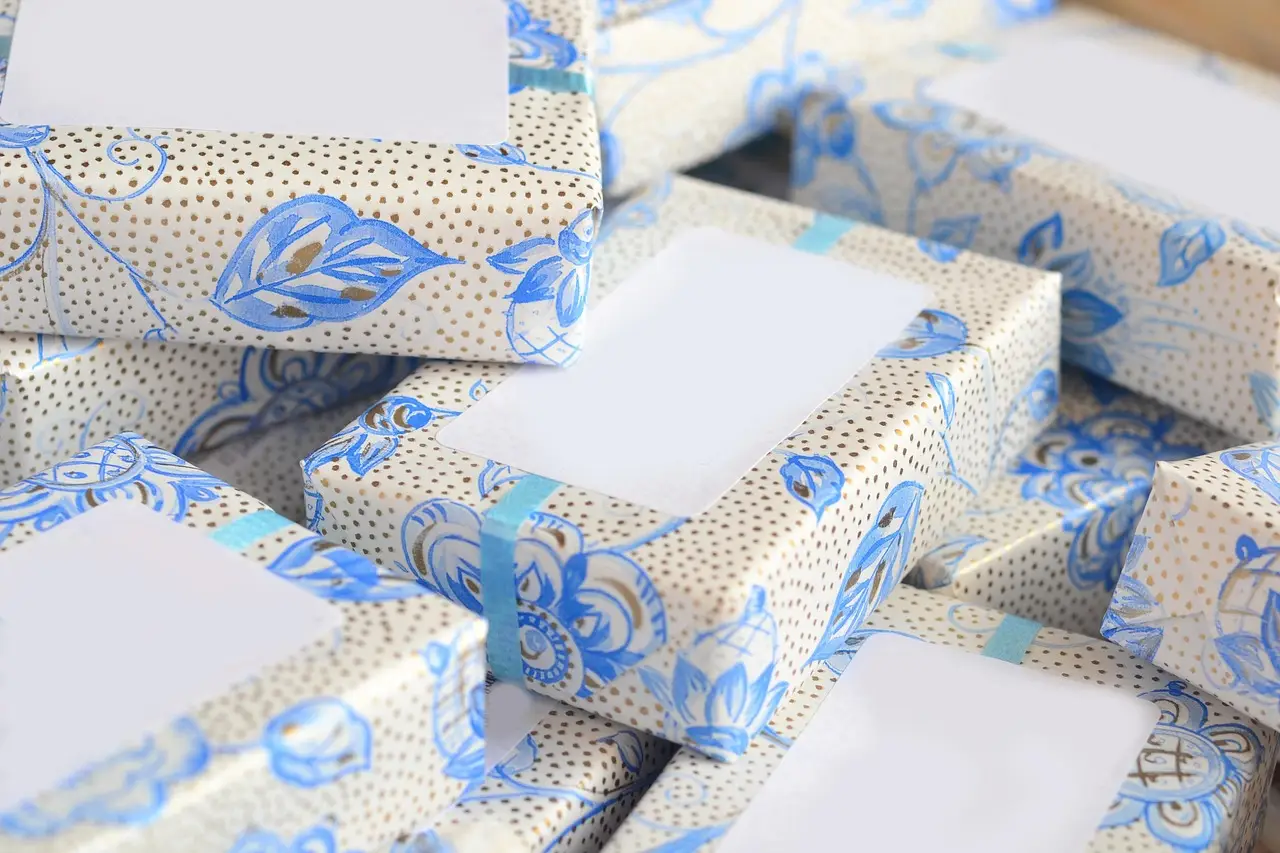
Brands on affiliate platform ShopMy now send 350% more gifts per year than in 2022, yet the visibility those mailers buy keeps shrinking. The number is the problem, not the proof of success.
LTK's annual study with Northwestern University adds a second figure: the average number of creators brands work with rose 275% in the past year. Volume is up everywhere. Measured return is not following.
"There has just become too much of it all: too much gifting, too much content, too many paid posts," said celebrity stylist Dani Michelle, whose clients include Kendall Jenner and Hailey Bieber.
What has changed in the channel?
Tyra Booker, assistant VP of integrated marketing at Rare Beauty, said she watched earned media value (EMV, the monetary value of organically gained publicity) fall on send-outs at a past employer. "It's not that these mailers are bad. It's just that fewer people are opening them," she said.
Two structural shifts sit behind the decline:
- Algorithms now reward reach beyond a creator's follower base. Follower growth is down while non-follower views are up, as social strategist Rachel Karten writes in her "Link in Bio" newsletter. "Follower count doesn't correlate with engagement, clicks or purchases," she said.
- Creators post less for free. "If a brand requires a guaranteed post, that's a paid partnership, not organic seeding," said Jenine Leigh, managing partner at LA agency The A List. Gifted goods without an agreement, she notes, often simply go unposted.
Affiliate platforms pitch a middle path. Brands upload a gifting lookbook; creators pick products; any post carries a trackable commission link. ShopMy's marketing head Ivy Zhang argues gifting then works "more like a sales channel than a marketing expense." That claim has a caveat — it only holds for the creators who opt in and actually post.
What does a paid placement cost?
The paid route has a clear price list. An average A-list placement runs $25,000 to $30,000, rising above $50,000 for a top name — often for a single piece such as a necklace or pair of sunglasses, according to a PR agency founder who brokers these deals anonymously.
The mechanics deserve scrutiny. The fee usually goes to the stylist, not the celebrity. Payment happens only once a piece is worn and documented. "You still cannot ultimately control if they're going to wear it," the founder said. A late refusal means no deal, no fee.
Returns are murkier than costs. The founder says placements can earn back their fee in direct sales, but concedes it is "case by case." One brand paid $20,000 extra after running a placement image as an ad without securing rights — and shrugged it off because the image had already made money. That is an anecdote, not a benchmark.
"You need a significant budget for paid partnerships with VIPs these days," said Julia Chalmers, founder of LA agency Lucky Chalm. "Often a brand won't see the return from such a high investment."
Which strategies are working instead?
Small labels show a different math. Gregory Mitola, founder of Etagere, delayed gifting for Colleen Allen's self-funded label until it stocked at Net-a-Porter and Moda Operandi, building awareness first through salon-style presentations and friends-and-family pricing. The label's first gifting round, for the Bustle Bag, went out in late October to just 15 recipients: eight celebrities, five influencers, two industry professionals. "We're not gifting up the wazoo," he said.
The pattern among practitioners converges on precision over volume:
- Targeted lists per launch. Rare Beauty built its Selena Gomez x Demi Lovato campaign around niche creators, including early-2000s nostalgia accounts.
- Gifts worth filming. Booker's test is whether a send-out compels a photo — practical items or experiences, like a skincare product paired with a facial.
- Loans over gifts at high value. "Each sample is worth thousands of dollars," Mitola said; premium labels loan pieces to preserve placement value.
- Direct stylist relationships. Chalmers stopped gifting VIPs through personal teams and opened her Hollywood showroom on weekends for last-minute fittings. Sabrina Carpenter wearing Kat The Label built an immediate waitlist; Charli XCX's wears lifted global awareness of the Australian label almost overnight.
"Volume on its own isn't what drives value anymore, it's the precision," said Alison Bringé, CMO at Launchmetrics. Her framing is sound, though "measurable impact" requires the tracking tools smaller brands may lack.
The unpaid outcome still beats the paid one on occasion. Jennifer Lawrence bought a Colleen Allen chartreuse velvet house coat herself after stylist Ryan Hastings dressed her in the label; it sold out immediately once photographed.
The lesson for 2025 budgets: fewer boxes, tighter stylist relationships, and a hard look at whether each mailer carries a trackable link.
via vogue.com (Source)
More from Priya Raman
Show full bio
Correspondent covering people, launches and day-to-day practice in fashion industry as a trade and business at The Fabric Brief.
321 articles
Also on the board
- Meesho Content Commerce NMV Climbs 152% on 160,000 Active Creators
- Inspired Capital Closes $450M Fund, Doubling Down on Creator Commerce
- Promotions Split Footwear Brands in September, BTIG Finds
- Ralph Lauren and Tapestry Post Gains; Capri and Under Armour Chase
- WWD x BCG Report: 53% of Consumers Now Buy on Quality-Per-Price