Swatch card · cut November 23, 2026
Brands & Retail BusinessMill spec card
Galeries Lafayette plans €260M four-year network expansion
Galeries Lafayette plans to spend €260 million over four years after 2025 revenue reached €3.1 billion, with Boulevard Haussmann sales up 4% and plans for new beauty, men’s and regional spaces.
- Fiber
- Brands & Retail Business
- Count
- 5 min read
- Cut
- Weight
- 910 words
Spec notes
- Galeries Lafayette plans €260 million in network investment over four years, following €400 million over the previous five.
- The group generated €3.1 billion in 2025; Boulevard Haussmann produced €2 billion, up 4% from 2024.
- The men’s building is due for completion by the end of 2027, while a new private shopping suite is planned for 2028.
- Galeries Lafayette receives 35 million visitors annually; VICs account for 1% of customers and 30% of business.
- French protests beginning Oct. 17 concentrated pressure on Saturdays, although the two Paris stores offset losses through stronger weekdays.
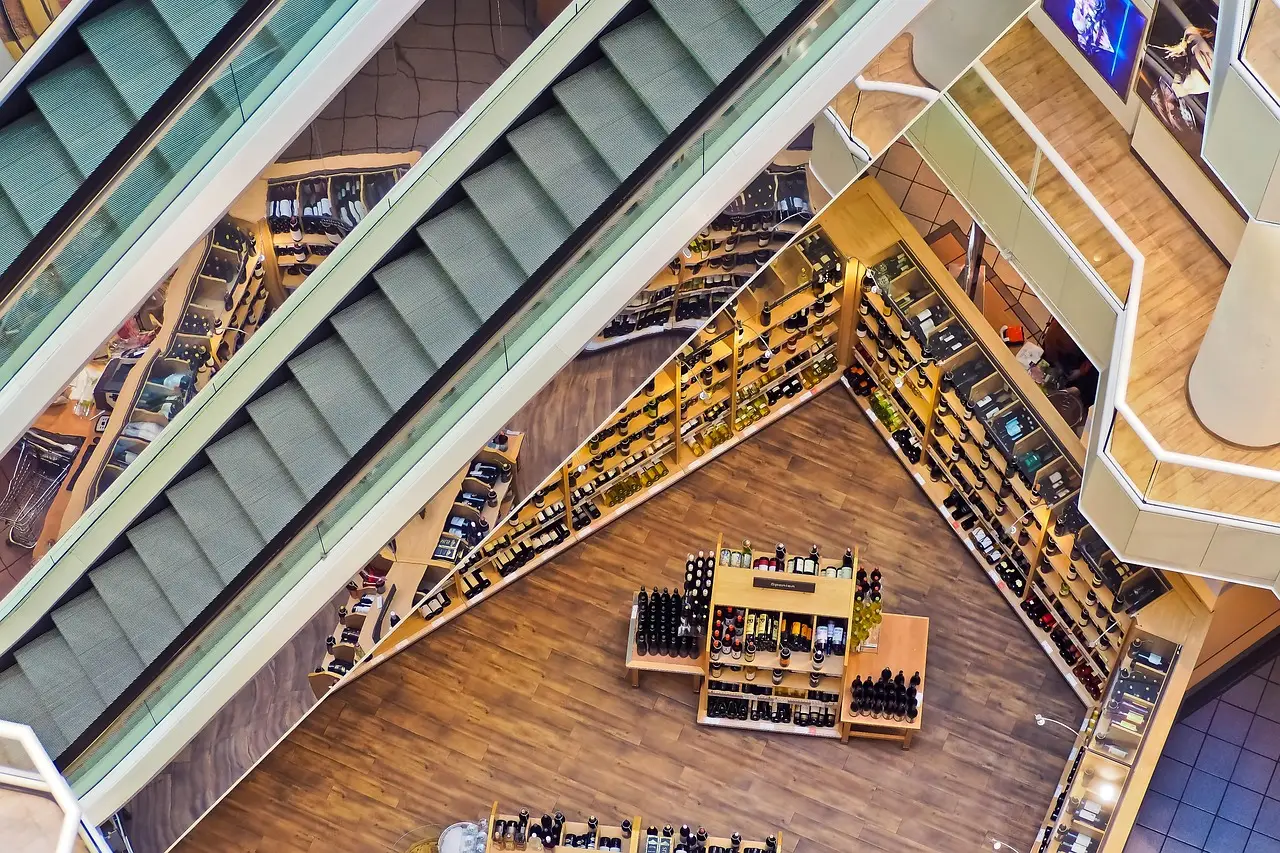
Galeries Lafayette plans to invest €260 million across its store network over the next four years, following €400 million of investment in the previous five, chief executive Arthur Lemoine said. The family-owned retailer generated €3.1 billion in revenue in 2025.
Its Boulevard Haussmann flagship produced two-thirds of revenue, or €2 billion, up 4% from 2024, despite closures during men’s-building work. The Champs-Élysées and Haussmann stores offset lost Saturday protest trading with stronger weekdays; regional stores, which rely more heavily on Saturdays, have struggled to do the same.
Protests began Oct. 17. Images of vandalism caused some international visitors to cancel France trips, while hotels and restaurants reported slower reservations. Lemoine said it was too early to quantify any overall decline in tourist spending but remains confident in Christmas.
Middle East war disruption threatened regional trade, but the group reported limited impact across its three Doha and Dubai stores and among Paris visitors. Lemoine acknowledged initial fear before finding global sales remained dynamic in May and summer.
Can physical stores remain relevant?
Lemoine, who succeeded his uncle Nicolas Houzé as CEO, is betting that Galeries Lafayette can grow by making its stores destinations rather than competing with online retail on convenience alone. “We are really confident about the role of the department store,” he said. “Our role is to give people a reason to desire to come to Galeries Lafayette, to live a moment of joy.”
Pandemic-related international-tourism disruption, which cost the retailer part of its Chinese tourist base, forms part of a strategy of continued store investment. Experience with terrorist attacks, social unrest, the pandemic, French demonstrations and Middle East uncertainty has made the business more resilient, Lemoine believes.
For Christmas, the Haussmann store has installed Jean-Charles de Castelbajac’s tree of colorful wings beneath its Art Nouveau stained-glass dome. The concept drew social-media criticism over its departure from traditional festive imagery, but Lemoine defended it as among the retailer’s most childlike installations. The designer drew on childhood memories and his six-year-old daughter, imagining joy, peace and Santa.
How is the flagship changing?
A revamped beauty department combines exclusive and niche labels with immersive environments, including Bottega Veneta, Victoria Beckham, Louis Vuitton makeup and Argentine fragrance house Fueguia 1833. The category has posted double-digit growth since the refurbishment and become a destination in its own right.
A Saint Laurent beauty space opened in July with parent Kering and licensee L’Oréal to present fashion and beauty as one universe. Galeries Lafayette is giving brands space for boutique-level experiences while building distinctive categories. It aims to remain multispecialist while developing authority in key departments.
Men’s-building work is due to finish by the end of 2027. Foot traffic remains strong and sales flat despite closures, access difficulties and a forecast of significant decline, indicating pent-up demand. Temporary Lemaire, Jacquemus and Ami installations have tested the assortment successfully, particularly with local shoppers.
The ground floor will combine accessible, contemporary accessories, established luxury labels and a dedicated designer area; much of the first floor will hold men’s footwear, with sneakers a focus. The retailer will expand selected brands’ footprints and selection, prune weaker labels and reallocate space, with each retained label expected to deliver a flagship-level experience.
Who does the store need to serve?
Galeries Lafayette draws 35 million visitors annually and intends to retain aspirational shoppers while building specialist destinations. Lemoine said growth does not require one customer type; the group wants balance among segments and sees beauty as a route for aspirational shoppers to become fashion customers.
VICs represent 1% of customers but 30% of business and expect high service, making exclusivity, a private shopping suite planned for 2028 and personalized services central to the proposition. Exclusive projects include London jeweler Graff opening and a Jellycat-themed patisserie, where shoppers queued for plush toys and associates dressed for the concept.
The goal is time in the store, not just a transaction, with personalized treatment because no two VICs expect the same experience. Galeries Lafayette is integrating regional stores with Paris, using exclusivity and events to make the network one commercial proposition.
A 2,100-square-foot multibrand space, La Galerie, opened in Nice in June with Miu Miu, Alaïa and Phoebe Philo. Associates can source unavailable products from Paris, use customer data to identify designer shoppers and invite them to private flagship events, extending local access to labels previously seen mainly in the capital.
Bordeaux’s first revamp phase opened in October, with completion scheduled for 2028 and the model due to extend elsewhere. One in five customers visits several stores. Buying teams have traveled to Lagos and São Paulo for fashion shows, local shopping research and institutional relationships as the group seeks African and South American visitors to Paris.
The next phase requires investment and adaptation to geopolitical tension, climate change, social issues and artificial intelligence. Family control allows a longer view than a financial quarter, Lemoine said, and his children recently requested a visit to the revamped Nice store.
“My main target is even beyond a year and a half. It’s to reinforce Galeries Lafayette as one of the leaders of department stores around the world, and then to transmit Galeries Lafayette to the next generation.”
The four-year program will test whether destination retail and regional integration can sustain traffic amid continued geopolitical, social and digital disruption.
via WWD (Source)
More from Elena Vasquez
Show full bio
News editor covering money, funding and market shifts around fashion industry as a trade and business at The Fabric Brief.
356 articles
Also on the board
- Champs-Élysées Bets on Christmas Market and Lights to Rebuild Footfall
- Paris Looting Damage Could Reach Hundreds of Millions of Euros
- Apple to shut 3 Paris stores Saturday as 70,000 officers deploy
- Looting Hits French Retail: Luxury Boutiques and Sport Chains Hit
- Gilles Rosier Bets on Off-Calendar Luxury With First Éternel Parisien Store