Swatch card No. SW-4799 · cut November 16, 2026
Brands & Retail BusinessMill spec card
Fashion Takes 31% of India Retail Leasing as 9M Volume Hits 9.36M Sq Ft
Fashion and apparel took 31% of Indian retail leasing as 9M 2026 volume hit 9.36 million sq ft, up 5.6% year on year, with Pune and Kolkata posting the fastest growth, JLL reports.
- Fiber
- Brands & Retail Business
- Count
- 3 min read
- Cut
- Weight
- 536 words
Spec notes
- Fashion and apparel accounted for 31% of retail leasing across India's top seven cities in January-September 2026.
- Total gross leasing reached 9.36 million sq ft, up 5.6% year on year and the strongest nine-month performance in four years, per JLL.
- Delhi-NCR, Mumbai and Bengaluru together took about 72% of leasing, at 26%, 25% and 21% respectively.
- Pune grew 80.6% year on year to 2.5 million sq ft; Kolkata grew 55.9% to 2.3 million sq ft.
- 24 international retailers entered India in 2026; high streets' share of leasing fell from 50.4% to 46.3%.
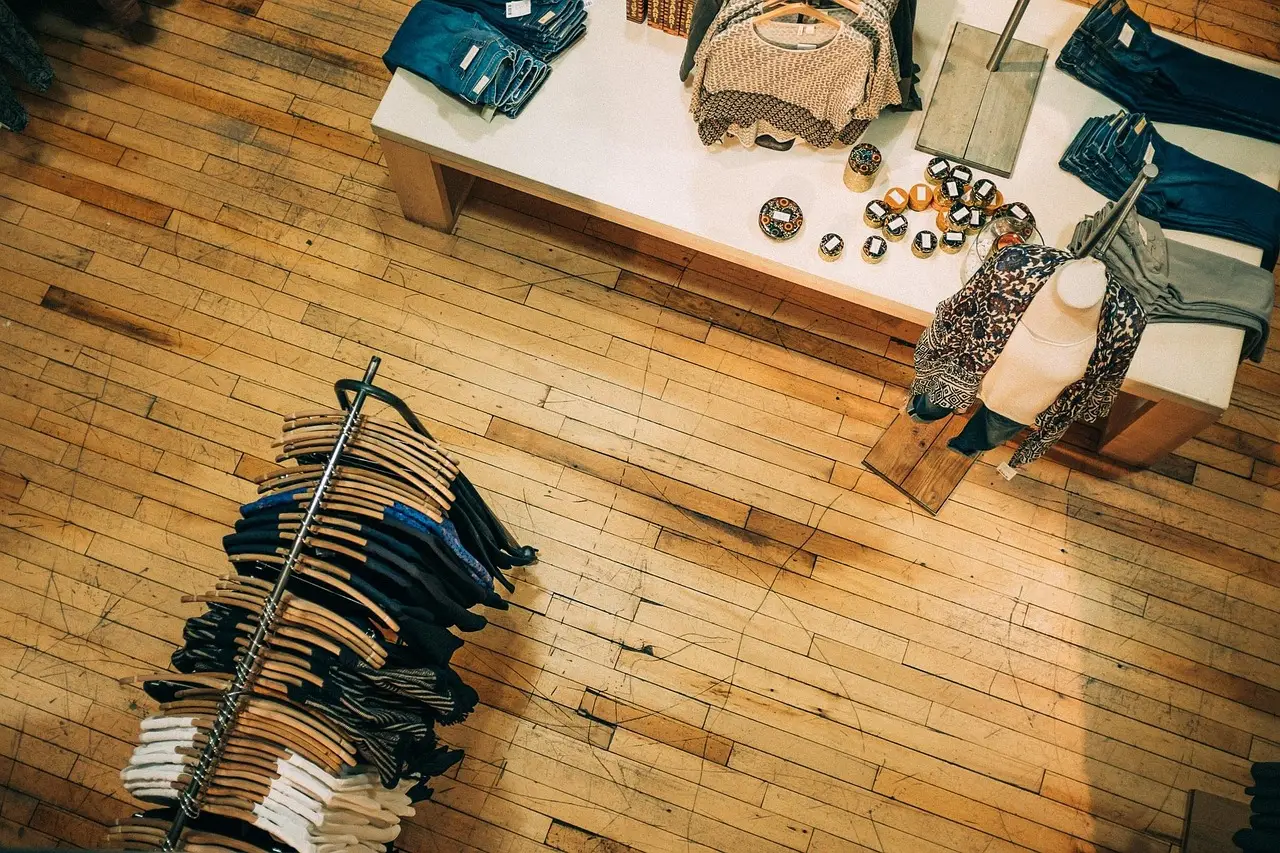
Fashion and apparel retailers took 31% of India's retail leasing in the first nine months of 2026, making the category the single largest driver of store space demand across the country's top seven cities, according to JLL. The segment's dominance gives apparel brands, landlords and developers a concrete benchmark for pricing high-street and mall negotiations into 2027.
How big was the market?
Gross retail leasing across the seven leading cities reached 9.36 million sq ft between January and September 2026. That represents a 5.6% increase over the 8.86 million sq ft recorded in the same period a year earlier. JLL called it the strongest nine-month leasing performance in the past four years.
The geographic split remained heavily concentrated:
- Delhi-NCR led with 26% of total gross leasing volume.
- Mumbai followed at 25%.
- Bengaluru took 21%.
- Together, the three metros accounted for roughly 72% of all retail leasing in the period.
For sourcing and expansion teams, that concentration signals where prime inventory, footfall and rental competition sit. It also signals where they do not.
What changed outside the big three?
The sharpest growth came from two secondary markets. Pune posted the highest year-on-year increase in retail leasing at 80.6%, reaching a gross volume of 2.5 million sq ft. Kolkata followed with 55.9% growth and 2.3 million sq ft leased.
Those two figures matter for channel planning. Pune and Kolkata combined added nearly 4.8 million sq ft of leasing, growth that points to opportunities beyond the country's largest metropolitan hubs even as the top three metros retain the bulk of activity.
Where did the space go — high street or mall?
High streets accounted for 46.3% of gross leasing during January-September 2026, down from 50.4% in the corresponding period last year. The four-point shift indicates a measurable rebalancing toward organized retail formats, with mall and shopping-center space absorbing a growing share of fashion's expansion.
Who is leasing?
Domestic retailers continued to account for the largest share of leasing activity across the period. International brands also deepened their commitment: 24 international retailers entered India in 2026, a signal of sustained interest in the market despite global economic uncertainties.
For international apparel groups weighing market entry, that pipeline of 24 new entrants sets the competitive context. Store space in the three dominant metros is being contested by a growing field of foreign brands even as domestic chains hold the majority of deals.
What does this mean for the year ahead?
JLL's data points to two parallel dynamics retailers and landlords should price in. First, the preference for established urban centres with sizeable consumer catchments and developed retail ecosystems continues to concentrate demand in Delhi-NCR, Mumbai and Bengaluru. Second, the growth rates in Pune and Kolkata — 80.6% and 55.9% respectively — suggest that expansion economics outside the largest hubs are improving faster than the headline totals show.
With fashion and apparel holding 31% of leasing volume and high streets losing share to other formats, the question for brands planning 2027 store rolls is whether secondary-city growth and mall-led expansion can sustain the sector's momentum.
via Apparel Resources (Source)
More from Marcus Bennett
Show full bio
Senior reporter covering money, funding and market shifts around fashion industry as a trade and business at The Fabric Brief.
308 articles
Also on the board
- Mall Retail Leasing Falls 38% in Q3 Across India's Top 8 Cities
- India's Q-Commerce to Need 75 Million Sq. Ft. of Logistics Space by 2030
- India's Tier-2 and Tier-3 Cities Drive Apparel Retail Expansion
- India Fashion Retail Spending Climbs 8.5% in August: RAI Data
- V2 Retail Posts 28.4% Revenue Jump to Rs 905 Crore in Q2 FY27