Swatch card No. SW-1753 · cut October 30, 2026
Sustainability & ComplianceMill spec card
EURATEX and EuroCommerce push harmonised EPR rules in EU textile law
EURATEX and EuroCommerce want the Circular Economy Act to create a single EU EPR regulation, with ring-fenced producer fees and PRO transparency rules across member states.
- Fiber
- Sustainability & Compliance
- Count
- 3 min read
- Cut
- Weight
- 642 words
Spec notes
- EURATEX and EuroCommerce are among industry groups urging harmonised EPR rules in the upcoming EU Circular Economy Act
- The coalition wants a directly applicable EU regulation based on Article 114 TFEU covering EU-mandated EPR schemes
- PROs would have to publish standardised annual data on fees, budgets, ownership and eco-modulation criteria
- EPR funds should be ring-fenced per waste stream and net cost rules should deduct secondary raw material revenues
- The groups oppose mandatory national representation for EU-established producers under packaging EPR
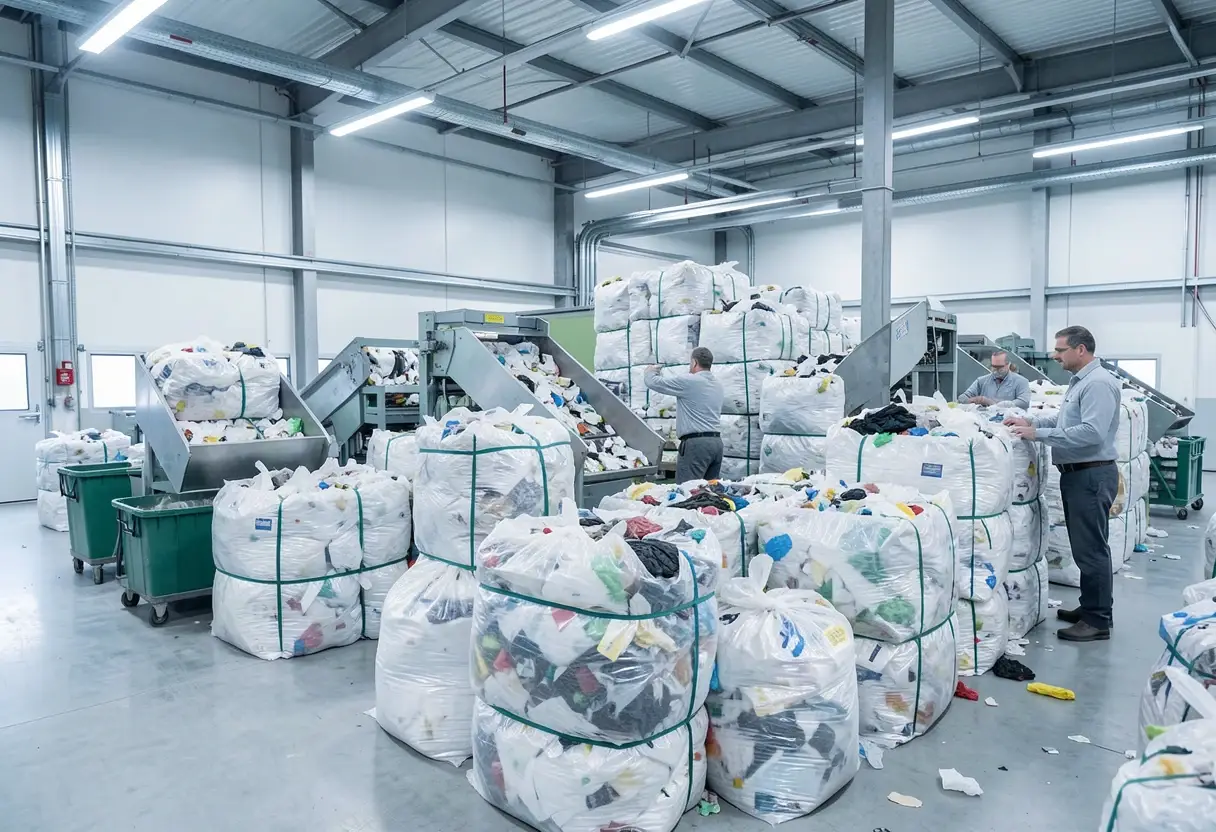
European industry groups, including apparel body EURATEX and retail association EuroCommerce, are urging the EU to write a single, enforceable extended producer responsibility (EPR) framework into the upcoming Circular Economy Act (CEA). Their joint statement, released ahead of the legislation, targets the fragmented national rules that currently drive up compliance costs for brands and producers selling across the bloc.
EPR obliges producers to finance the collection, sorting and recycling of the products they place on the market. Performance varies widely between member states, the groups said, and divergent national rules limit how well existing systems actually work. For fashion companies sourcing and selling across multiple countries, that divergence translates into duplicated compliance work and unpredictable fee structures.
What are the industry groups asking for?
The coalition's demands are specific:
- A directly applicable EU regulation covering EU-mandated EPR schemes and relevant waste streams, with sector-specific requirements where necessary
- A legal basis in Article 114 of the Treaty on the Functioning of the European Union, reflecting the internal-market objective
- EPR systems that stay "producer-led", with public authorities supervising rather than controlling decision-making
- Producer contributions reserved for waste-management activities, not treated as general public revenue
The statement argues common rules would reduce regulatory differences, support cross-border value chains and give companies running circular business models greater certainty. That claim is hard to test until the European Commission publishes the CEA text; the statement is a lobbying position, not a confirmed outcome.
Who controls the money?
The groups want greater independence between EPR decision-makers and the organisations receiving EPR funding. They call on Producer Responsibility Organisations (PROs, the bodies that manage compliance on behalf of producers) to publish standardised annual data on performance, ownership, membership, fee structures, eco-modulation criteria, budgets and how contributions are spent.
Transparency requirements should extend beyond PROs to public authorities, municipalities and waste operators receiving EPR money, the statement said. This would improve accountability and help assess whether contributions are proportionate and directed towards intended outcomes — a pointed suggestion that current fee-setting lacks scrutiny.
"EPR stems from the polluter pays principle for a reason: producers should be responsible not only for financing waste management, but for organising the systems needed to collect, sort and recycle the products subject to EPR obligations that they place on the market," the statement read.
How would fees be constrained?
The coalition wants EPR funds ring-fenced for the product categories and waste streams they are collected for. That would prevent cross-subsidisation and steer money towards the infrastructure needed to meet recycling targets.
It also backs consistent application of the "net cost principle" — revenue from selling secondary raw materials and other recovered outputs should be deducted from the costs producers cover, with safeguards against counting the same revenue or cost twice. Broader waste-prevention or reuse measures should not be funded through EPR where dedicated EU legislation already applies, the groups said.
What about SMEs and non-EU producers?
The proposed legislation should cut administrative complexity for small and medium-sized businesses and companies operating in several member states, according to the statement. For packaging EPR, member states should be able to require authorised representatives for producers based outside the EU — but the coalition opposes mandatory national representation for producers already established within the bloc.
The groups also want stronger requirements on separate collection, including reporting on waste-stream coverage, population and territorial coverage, public-awareness measures and exemptions. Communication campaigns should explain correct sorting and disposal practices and how participation supports higher-quality recycling. Without such measures, they argue, the conditions for a functioning European market for secondary raw materials will not materialise.
Whether the Commission adopts these positions in the CEA remains open. Producer-led governance and ring-fenced fees would shift financial control away from member states, so expect resistance during negotiation.
via Just Style (Source)
More from Priya Raman
Show full bio
Correspondent covering people, launches and day-to-day practice in fashion industry as a trade and business at The Fabric Brief.
290 articles
Also on the board
- EU Parliament Votes 612-8 to Exempt Small Firms from EPR Representative Rule
- EU's July 19 Compliance Cliff Rewrites Global Apparel Sourcing
- adidas, H&M, Inditex and BESTSELLER Launch Apparel Recovery Coalition
- EU textile, retail groups press Commission on competitiveness
- EURATEX Flags Deepening Crisis in EU Textile and Apparel Industry