Swatch card No. SW-4507 · cut October 10, 2026
Supply Chain & SourcingMill spec card
Compliance scrutiny in China raises proof burden in apparel sourcing
Fibre2Fashion analysis says China apparel sourcing now demands documented proof of compliance, adding verification cost and lead time to every order.
- Fiber
- Supply Chain & Sourcing
- Count
- 2 min read
- Cut
- Weight
- 363 words
Spec notes
- Fibre2Fashion analysis reports rising compliance verification demands on China apparel suppliers
- Burden of proof has shifted from supplier declarations to documented evidence of production
- Additional documentation requirements add administrative cost and lead time to China orders
- Suppliers unable to verify practices risk removal from brand vendor lists
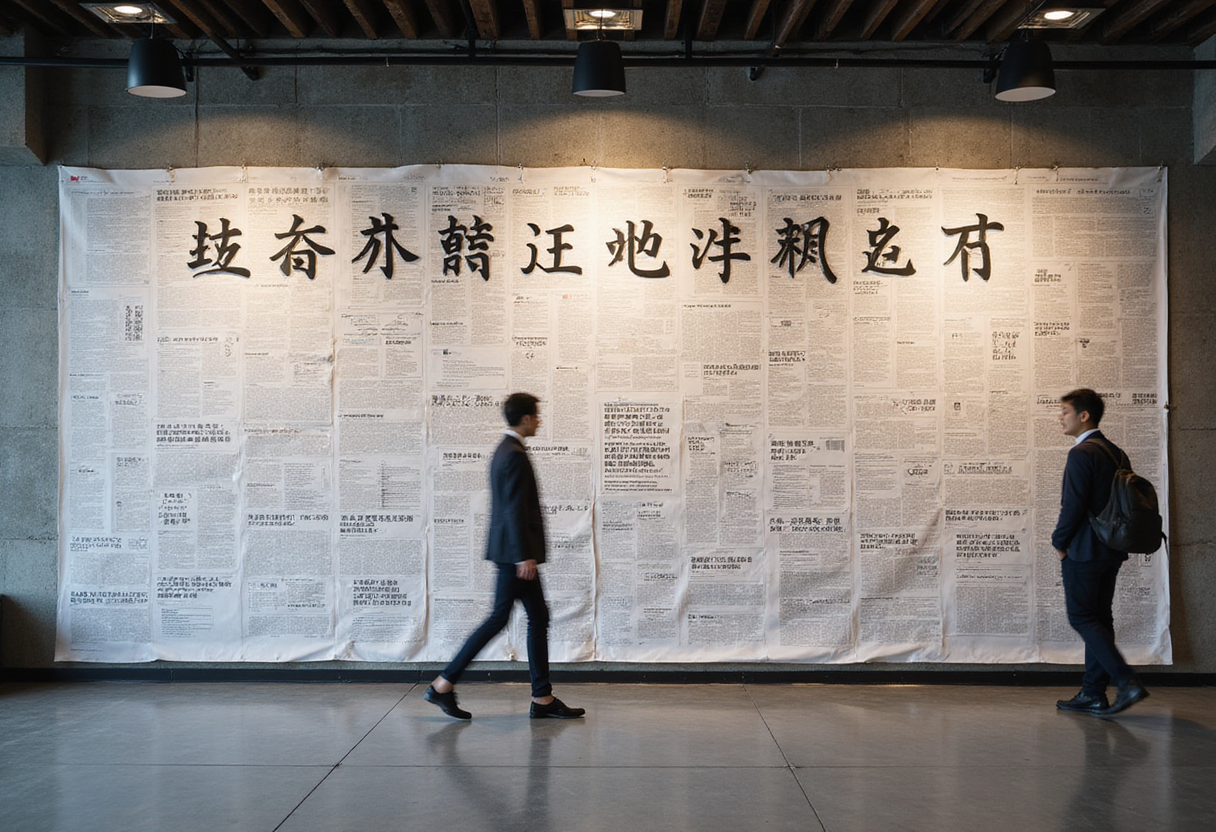
China's apparel suppliers now face mounting pressure to prove — not merely assert — compliance, as buyers tighten verification of production conditions across their sourcing base, according to an analysis published by Fibre2Fashion.
The report frames the shift as a widening gap between what factories say about their operations and what brands can independently verify. Sourcing executives reading the analysis will recognize the operational stakes: every additional audit, certificate and document request adds days to lead times and cost to each order placed in China.
What does tighter verification mean for buyers?
The core argument of the Fibre2Fashion piece is that the burden of proof has moved upstream. Where compliance once rested largely on supplier declarations, the analysis describes an environment in which buyers demand documented evidence of production practices before orders are confirmed.
For sourcing teams, this raises three practical questions the report addresses:
- How much documentation suppliers must assemble per order, and who absorbs the administrative cost;
- Whether smaller Chinese factories can keep pace with verification demands from large international brands;
- How verification timelines interact with already compressed production calendars.
The analysis positions documentation itself as a competitive factor. Suppliers that can produce verifiable records quickly protect their order books; those that cannot risk exclusion from brand vendor lists, regardless of actual production capability.
Why does this matter now?
Fibre2Fashion connects the compliance wall to the broader calculus brands apply when deciding where to place apparel orders. China remains a central production hub, but the cost of doing business there increasingly includes the compliance overhead the analysis describes.
The report does not present the dynamic as a reason to exit China. Instead, it treats verified compliance as a requirement for staying in the market — a threshold suppliers must clear rather than a trend they can wait out.
For supply-chain professionals, the takeaway is procedural. Vendor onboarding, audit scheduling and document verification belong in the lead-time calculation from the start, not as a final step before shipment.
The Fibre2Fashion analysis suggests the compliance wall will hold or rise, meaning buyers and suppliers that invest in verification capacity now will be better positioned as documentation demands continue to shape order placement decisions.
via Google News: Apparel sourcing & supply chain (Source)
More from Elena Vasquez
Also on the board
- EU's July 19 Compliance Cliff Rewrites Global Apparel Sourcing
- Apparel sector must adopt technology to stay competitive, experts say
- Chinese Mills Pitch Value-Added Innovation and CSR at Texworld
- India's Textile Edge Now Hinges on Capacity, Not Tariffs
- Prada, Kering and Moncler Align on Supply Chain Data Standards