Swatch card No. SW-1950 · cut October 10, 2026
Trade & TariffsMill spec card
Canada Sets Counter-Tariffs on US Goods for September 8
Canada will impose counter-tariffs on US goods from September 8, adding new duty costs for apparel and textile shipments moving north across the border.
- Fiber
- Trade & Tariffs
- Count
- 2 min read
- Cut
- Weight
- 488 words
Spec notes
- Canada will impose counter-tariffs on US goods effective September 8.
- The measures respond to the US-Canada trade dispute and apply to US-origin products entering Canada.
- Canadian importers of record will absorb the first-pass tariff cost on affected goods.
- Detailed tariff lines, rates and product coverage have not yet been specified.
- Brands face a narrow pre-implementation window to renegotiate contracts and accelerate shipments.
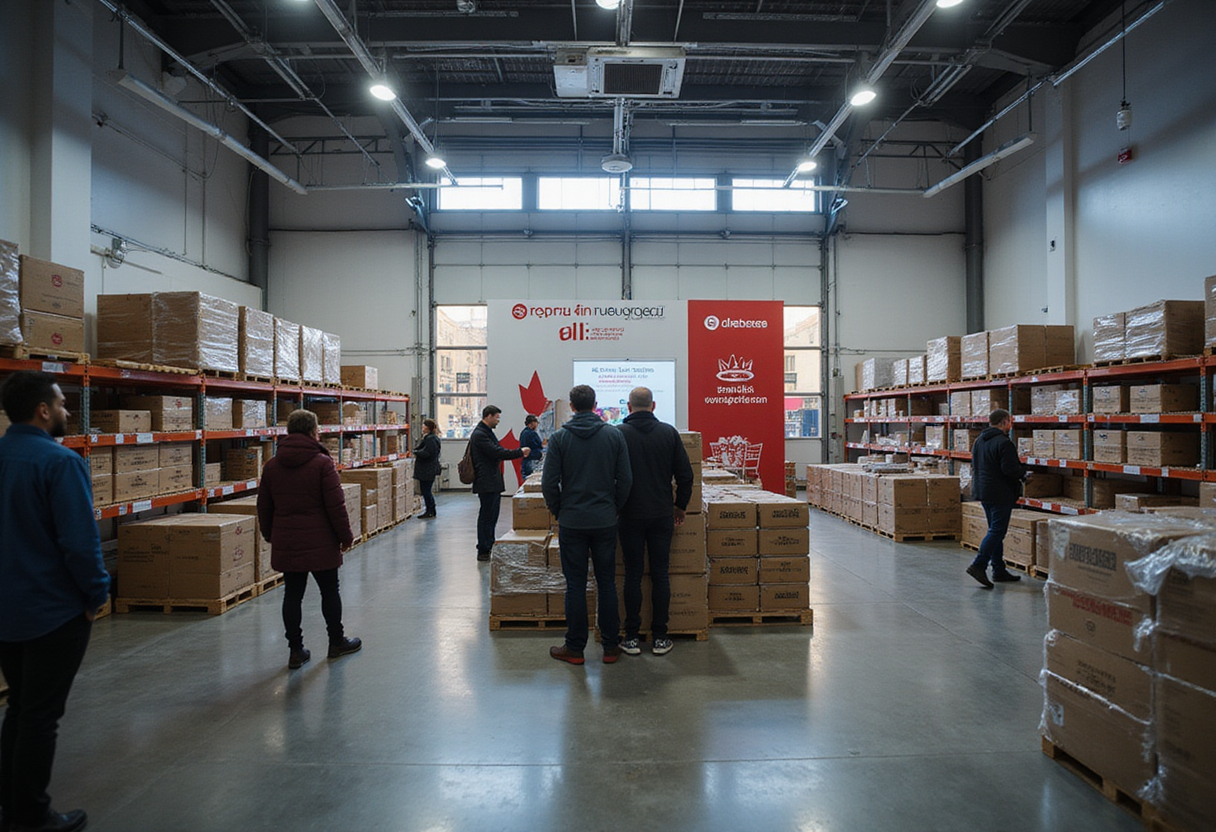
Canada will impose counter-tariffs on US goods effective September 8, according to a Fibre2Fashion report, escalating the trade dispute between the two countries and adding a new cost layer for fashion brands and suppliers moving US-origin product north across the border.
The measure directly hits apparel, textile and raw-material flows that brands have treated as frictionless under decades of North American integration. Any US-made fabric, trim, component or finished garment entering Canada after that date will carry the new duty, and importers — not exporters — will absorb the first-pass cost at customs.
What does this change for sourcing teams?
The September 8 start date gives supply-chain managers a narrow window. Purchase orders already in transit, contracts already signed and goods already on the water all need review against the new tariff schedule. Three questions now sit on every desk:
- Who pays the duty under existing terms — the US vendor, the Canadian importer of record, or the end customer through price increases?
- Do current US-origin inputs have a non-US substitute that avoids the tariff entirely?
- Should shipments be accelerated to land before September 8, or rerouted?
For Canadian retailers and wholesalers sourcing finished goods from US vendors, the counter-tariff functions as a margin squeeze unless vendors share the cost. For US mills and trim suppliers selling into Canada, it functions as a price-competitiveness problem against Asian and other non-US alternatives.
Who carries the cost?
Trade lawyers and sourcing directors will ask the same practical question in the coming days: does the tariff apply at the item level based on country of origin, and how does it interact with USMCA/CUSMA preferential treatment? Until Canada publishes the detailed tariff line list, brands cannot model landed cost precisely.
That uncertainty itself has commercial weight. Sourcing teams typically respond to unquantified duty risk in one of two ways: they pause new commitments to affected US vendors, or they build a tariff contingency into quoted prices. Both routes hurt US suppliers before the first duty is even collected.
The move also complicates the regional supply chains that North American apparel production depends on. Cut-and-sew operations, denim mills and technical-textile producers on both sides of the border frequently cross the border multiple times — fabric from the US, finishing in Canada, distribution back into the US market. Each northbound crossing now carries a potential duty event.
What happens next?
The report confirms the September 8 implementation date but does not specify the product coverage, tariff rates or duration of the measures. Those details will determine whether the impact on fashion flows is marginal or material. Brands with US-origin inputs moving into Canada should treat the next weeks as a contract-review period — renegotiating Incoterms, duty liability clauses and pricing before the tariff takes effect, and watching Ottawa's official tariff schedule for the line-level detail that landed-cost models require.
via Google News: Apparel & textile tariffs (Source)
More from Rebecca Stone
Show full bio
Staff writer covering industry trends and analytics at The Fabric Brief.
153 articles
Also on the board
- US 50% Tariff Threatens to Deepen Canada's Declining T&A Exports
- Apparel CEO Flags U.S.-Canada Tariffs as Supply Chain Pressure Builds
- US 50% Tariff Threatens to Deepen Canada's Falling Textile and Apparel Exports
- Canada Slaps Retaliatory Tariffs on U.S. Apparel as Trade War Deepens
- Canada Raises Steel Duties and Tariff Rates on $20B of US Goods