Swatch card No. SW-6040 · cut October 30, 2026
Brands & Retail BusinessMill spec card
BRC Demands Budget Tax Relief as UK Consumer Confidence Hits -40
Consumer confidence on the economy fell to -40 in October as the BRC demanded Budget relief on employer NICs and business rates after a 20% rise in industry tax burdens.
- Fiber
- Brands & Retail Business
- Count
- 3 min read
- Cut
- Weight
- 636 words
Spec notes
- Consumer expectations for the economy over three months fell to -40 in October from -34 in September.
- Retailers' tax burdens have increased by 20% in two years, according to the BRC.
- Headline CPI inflation rose to 3.5%; clothing and footwear inflation stands at 0.1%.
- Anticipated retail spending rose to +15 in October from +5 in September.
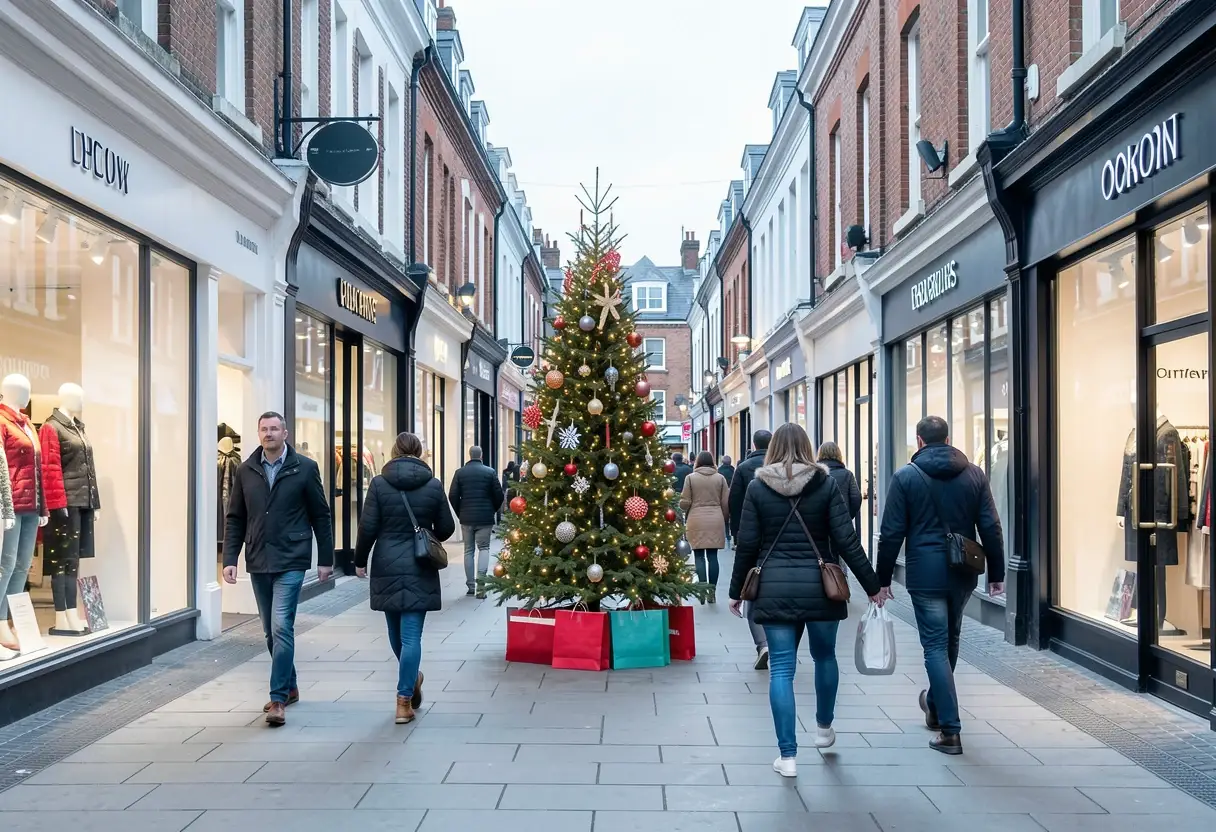
UK consumer expectations for the economy over the next three months fell to -40 in October, down from -34 in September, prompting the British Retail Consortium to demand tax relief for retailers in the upcoming Budget.
The BRC's figures, published ahead of the Chancellor's Budget statement, show confidence sliding on nearly every measure. Forecasts for personal financial situations fell to -18, from -15 the previous month, the second-lowest level on record. Expected personal saving declined to -9, from -7.
Spending intentions moved the other way. Anticipated retail spending rose to +15 in October, up from +5 in September, while broader personal spending climbed to +23 from +15. The festive period now sits inside the three-month forecasting window, which likely lifted the numbers.
What did the BRC chief executive say?
BRC chief executive Helen Dickinson said: "Consumer confidence in the economy dropped for the third consecutive month against a backdrop of rising inflation and ongoing geopolitical tensions."
She noted that sentiment about personal finances fell to the second-lowest level on record, as confidence among Gen X and Boomers tumbled after announcements around pensions. She also flagged that concerns around inflation may be contributing to the rise in spending expectations, not only Christmas demand.
Dickinson pressed the case for Budget action on industry costs. Retailers' tax burdens have increased by 20% in two years, she said, and government should relieve costs such as employer National Insurance Contributions and business rates.
"Government must act on the tsunami of costs that have hit the industry, from employer National Insurance Contributions to business rates," Dickinson said. "A little breathing room for retailers at the Budget can mean a lot of breathing room for households."
What does inflation data show?
The latest Consumer Price Index puts headline inflation at 3.5%. Clothing and footwear inflation stands at 0.1%, well below the headline rate.
BRC Lead Economist Harvir Dhillon warned that UK households face a significant squeeze on their budgets this winter due to rising inflation. He suggested the government could ease the pressure by reducing business taxes in the forthcoming Budget.
"With Christmas around the corner, consumers will be understandably concerned by the third increase in inflation in three months," Dhillon said. "A large part of this is the sharp rise in petrol and diesel prices."
He pointed to further pressure ahead. The lifting of the Ofgem price cap this month will push up October's inflation figure when published in November, having already driven up household energy bills and likely to do so again in January. Rises in the cost of household appliances and pharmaceuticals will further squeeze household budgets.
Supermarket competition has restrained grocery inflation despite supply chain shocks this year, Dhillon said. Price drops in butter, coffee and potatoes anchored that stability and eased pressure on consumers.
What is the BRC asking the Chancellor to do?
The trade body's Budget asks are specific:
- Cut employer National Insurance Contributions
- Reduce business rates
- Address a tax burden on retailers that has risen 20% in two years
Dhillon framed the ask as a supply-side lever on prices. "Retailers and Government are aligned on the need to tackle the high cost of living, and next week's Budget provides a crucial opportunity to do just that," he said. "If Government can cut the cost of doing business, retailers will be in a better position to hold back price rises and increase investment in stores and jobs."
For apparel and footwear suppliers, the data cuts two ways. Clothing inflation at 0.1% signals limited pricing power at retail, while weak household confidence suggests the Christmas spending bump may prove fragile. The Chancellor's Budget decisions on employer contributions and rates will determine how much of that cost pressure lands on supplier margins in the new year.
via Just Style (Source)
More from Rebecca Stone
Show full bio
Staff writer covering people, launches and day-to-day practice in fashion industry as a trade and business at The Fabric Brief.
242 articles
Also on the board
- Holiday 2026 Forecasts Point to 2–6% Sales Gains
- NRF Sees U.S. Holiday Sales Rising 4.2% to $1.01 Trillion
- US Retail Sales Climb for 12th Straight Month to $560.8bn in September
- Puma Revises Full-Year EBIT Loss Range as Q3 Sales Fall 5%
- UK clothing sales stall as warm September hits autumn wardrobe demand