Swatch card No. SW-6238 · cut November 11, 2026
Brands & Retail BusinessMill spec card
Beymen Nears €1.5 Billion as Mayhoola Bets on Turkish Luxury Retail
Beymen Group expects revenue near €1.5 billion, growing 15% over nine months, as Mayhoola's Rachid Mohamed Rachid backs domestic Turkish luxury over tourist-dependent models.
- Fiber
- Brands & Retail Business
- Count
- 4 min read
- Cut
- Weight
- 852 words
Spec notes
- Beymen Group expects close to €1.5 billion revenue this year, up 15% in the first nine months.
- Mayhoola, owner of Valentino and Balmain, invested in Beymen in 2019.
- Beymen operates 290 stores across Türkiye and Egypt: 25 multi-brand, about 60 franchise, three own brands.
- 85% of Beymen shoppers are domestic; in-store sales make up 70% of revenue.
- The 12,000-square-meter Tersane flagship in Istanbul celebrates its first anniversary with the 'Timeless Treasures' exhibition of 55 brands.
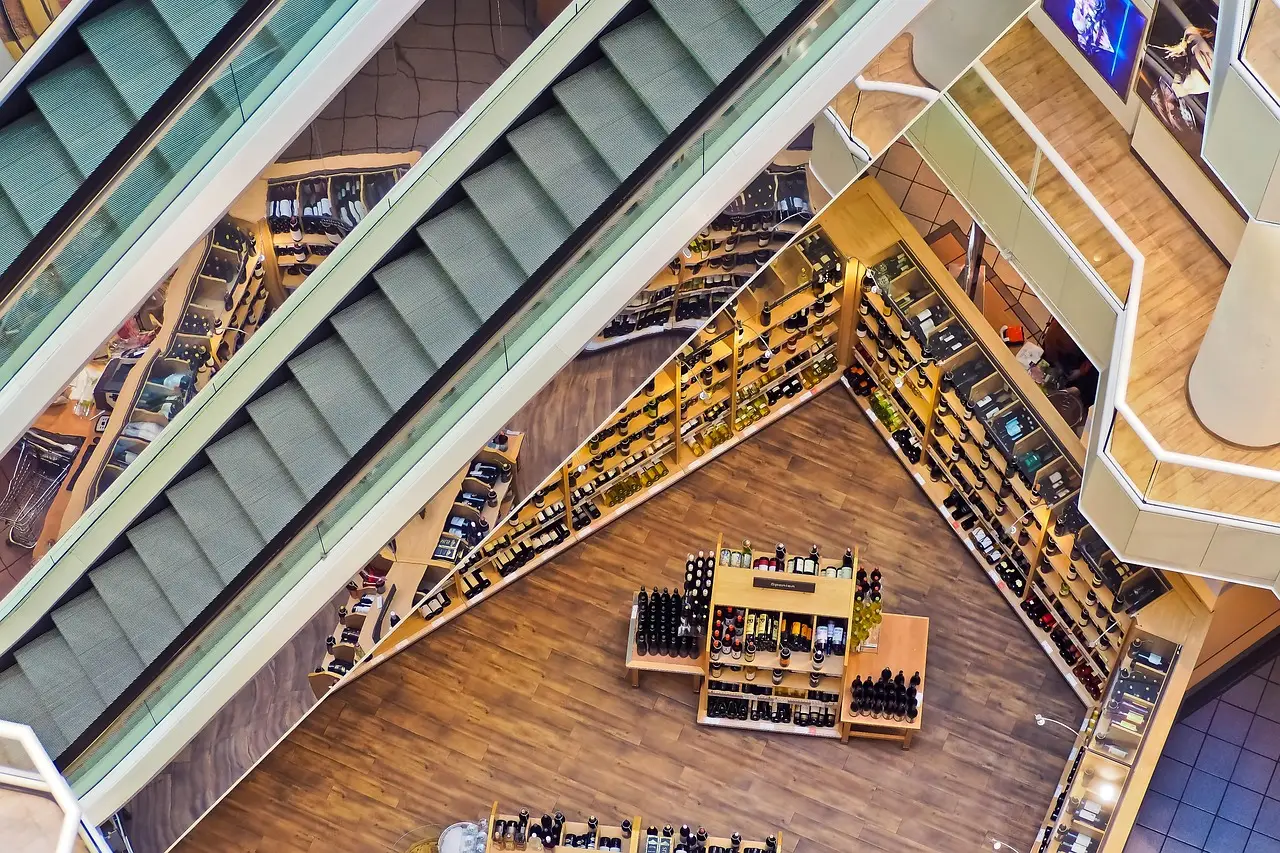
Beymen Group expects revenue close to €1.5 billion this year, with growth of 15% in the first nine months, according to CEO Elif Çapçı. The privately owned Turkish luxury retailer declined to share further figures, but the top-line number places the 55-year-old business among Europe's significant multi-brand luxury operators — and it is growing on domestic demand, not tourist traffic.
The Qatari fund Mayhoola, which owns Valentino and Balmain, invested in Beymen in 2019. That stake triggered a national expansion in multi-brand retail and direct-to-consumer partnerships with major European luxury brands. Mayhoola currently owns 100% of Balmain, Beymen and Pal Zileri, and 70% of Valentino.
What did Mayhoola see in Türkiye?
Rachid Mohamed Rachid, Mayhoola CEO and chairman of Valentino and Balmain, framed the investment as white space in a supply-chain nation.
"The Turkish market is a very important and pivotal market between the Middle East and Europe," Rachid said, citing the country's size, relatively strong luxury consumption and youthful population. "The way the country is growing economically — quite an aggressive growth in the last 20 years — has given this market a level of importance."
He added: "Although the country had been historically a very important supplier of fashion in terms of textiles and leather goods, [it wasn't as] developed in the design and the luxury segment. It was really an opportunity for us to define that, while also tapping the market's consumption potential."
Euromonitor data confirms luxury goods in Türkiye posted stable growth last year despite macroeconomic pressure. Inflation, exacerbated by the Middle East crisis, stayed elevated and cut into discretionary spending among middle-income groups. High-net-worth individuals lead spending, as in other markets.
How big is the store network?
Beymen operates 290 stores across Türkiye and a small operation in Egypt. The portfolio breaks down as:
- 25 multi-brand stores
- Around 60 franchise stores with leading designer brands
- Three own brands with stores across the region
Current investments include a third Valentino store plus new Ferragamo, Pucci and Toteme locations. This year Beymen opened a new multi-brand beauty outpost under the Beymen Beauty Stores name, after two additions last year. Çapçı confirmed beauty is a fast-growing category.
Why does the domestic mix matter for sourcing?
Some 85% of Beymen shoppers are domestic, with a small share of foreign visitors from Gulf countries, Russia and ex-Russian republics. Çapçı argues this insulates the retailer from the volatility hitting European peers dependent on Chinese and Middle Eastern custom — a risk borne out by China's post-real-estate spending slowdown and dips in Middle Eastern spending during ongoing conflicts.
"We are not a big believer of multi-brand luxury traveling well," Çapçı said.
In-store sales account for 70% of group revenue; e-commerce takes the remaining 30%. For Beymen's own brand chains, the split is 80% in-store versus 20% online. Rachid rejects international expansion of the department-store model outright. "I believe department stores are local businesses. I don't believe that you can take a department store and move it from one country to another," he said.
What is the Tersane flagship?
The company marked the first anniversary of its Tersane flagship — a 12,000-square-meter store in an Ottoman-era shipyard on the northern shore of the Golden Horn in Istanbul — with a two-day program and a handbag exhibition, "Timeless Treasures." Beymen partnered with the Office for Metropolitan Architecture, the Rem Koolhaas-founded firm behind several Prada stores, to design the space across nine sections while retaining heritage features. Works from Beymen's own art collection sit throughout.
"Timeless Treasures" features 55 global brands' interpretations of the Anatolian envelope-shaped bag, including Ganni and Louis Vuitton, plus selected student designers. It follows "Golden Opulence," a 2023 heritage-rooted exhibition. Rachid said the programming showcases the last 500 years of Türkiye's history: "I think the Turkish consumers are very proud of their country."
Who are the clients and competitors?
Beymen positions its target consumer at 35-plus but sells and communicates to Gen Z, which it views as future investment and as opinion leaders influencing older generations. VIC clienteling — enhanced by Mayhoola's brand-specific expertise — drives spending, though the company values smaller-ticket aspirational shoppers. Client relations run intergenerational; some families have shopped with Beymen for multiple decades.
"This used to be a much smaller business, where you knew the clients by name. We are still keeping that," Çapçı said, describing home visits and pay-later consignment. "We know the families. We go into their homes. If they like something, [we] just send it."
Competitors in international luxury multi-brand retail number only a handful: Communité, stocking Willy Chavarria through Dries Van Noten, and Vakko, carrying Oscar de la Renta and Thom Browne. Beymen's assortment spans Christian Louboutin, Prada and Fendi to Canali, Kiton and Tod's.
Looking ahead, Rachid said Mayhoola will prioritize service quality per customer over store-count expansion, national or international. "I think this is really the competitive advantage of Beymen," he said.
via vogue.com (Source)
More from Marcus Bennett
Show full bio
Senior reporter covering money, funding and market shifts around fashion industry as a trade and business at The Fabric Brief.
279 articles
Also on the board
- Beymen's 130,000-Sq-Ft Tersane Flagship Set to Beat Year-One Target by 15%
- Türkiye Puts $567 mn Into Egypt Textile Manufacturing Tie-Up
- Turkish Apparel Exporters Book New York, Paris Showings for January 2027
- Uzbekistan Pitches Turkish Apparel Giants on Localized Production
- Turkish Apparel Industry Pushes Regional Production Hubs in Syria, Iraq, Azerbaijan